








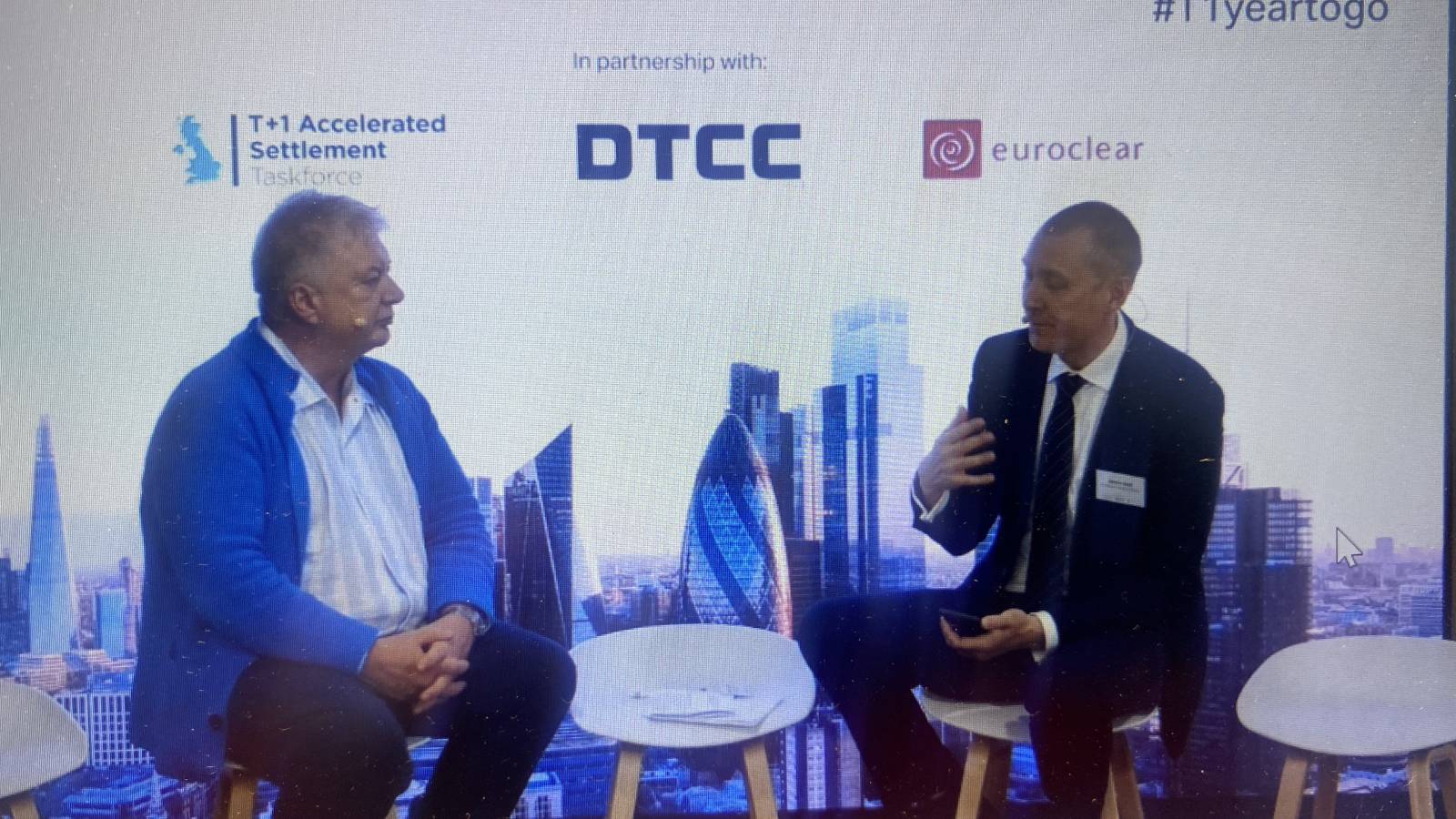



INTERVIEW | The next frontier in AI adoption is enterprise-wide scaling, which BNY’s Adam Persson says requires different ingredients than pilot projects. During a session at PostTrade 360’s conference from 2-3 September, alongside Abhishek Kodi, who is an expert from BNY’s AI Hub, they will share practical examples of how the custodian bank is industrialising AI responsibly.
AI is no longer a side project in financial services – it’s becoming part of the operating fabric of the industry. But moving from pilot to enterprise scale requires different considerations altogether and has less to do with model performance and more to do with strategy, governance, talent and business focus.
That’s the territory this fireside chat will explore – not AI as a pilot or proof of concept, but as “a capability embedded into how firms operate, serve clients and create competitive advantage.” The moderator, BNY’s Adam Persson, Managing Director, Nordic Coverage at BNY, is direct about where he thinks the real work lies: “scaling AI is not primarily a technology challenge.” The differentiator, he says, is whether an organisation can combine “strategy, data, governance, operating discipline and talent” in a way that turns experimentation into enterprise-wide impact. In an industry where trust, resilience and regulation matter enormously, that means being “ambitious, but also deliberate” – and asking not simply where AI can be used, but “how to industrialise it responsibly.”

Persson’s central argument is that the real constraint isn’t technology, it’s culture. “Technology is one thing, but really it’s a cultural shift,” he says – a theme he describes as a recurring one inside BNY. Scaling AI, in his view, requires buy-in “from the absolute top of the house.”
That cultural framing runs through how he distinguishes real transformation from experimentation. One path is incremental: applying AI to an existing process to strip out manual steps. The other questions the process itself. “One thing is the incremental 1% every day improvement,” he says. “The other part is—how do we pivot? How do we make leaps in our business?” Getting from one to the other, he argues, depends on structure — pairing business-line expertise with centralised AI knowledge so proven innovations can be redeployed across similar processes elsewhere in the business, reconciliation being one example he points to.
None of it works without governance keeping pace. Persson is candid about the practical challenge of managing bottom-up experimentation, and the need for a framework that lets people innovate at speed while staying accurate, compliant and hallucination-free.
He expects the session to resonate with “senior executives, innovation leaders, operations and technology teams” – anyone rethinking AI beyond isolated use cases. The takeaway he’s aiming for is practical: what actually separates transformation from experimentation, “the foundations needed to scale, the barriers that often slow progress, and the mindset shift required.” He also wants the timing to land. AI, he says, “has moved from being a future-facing topic to an immediate business priority,” with expectations on governance and responsible deployment rising in step. As he puts it, the industry is “moving from curiosity to execution, and the next phase will define who leads.”
The session will bring these threads together with practical examples of how BNY is applying AI to boost productivity, sharpen decision-making and unlock new sources of business value.
• For more information about the PostTrade 360° conference happening on 2-3 September 2026 and to register, click here