

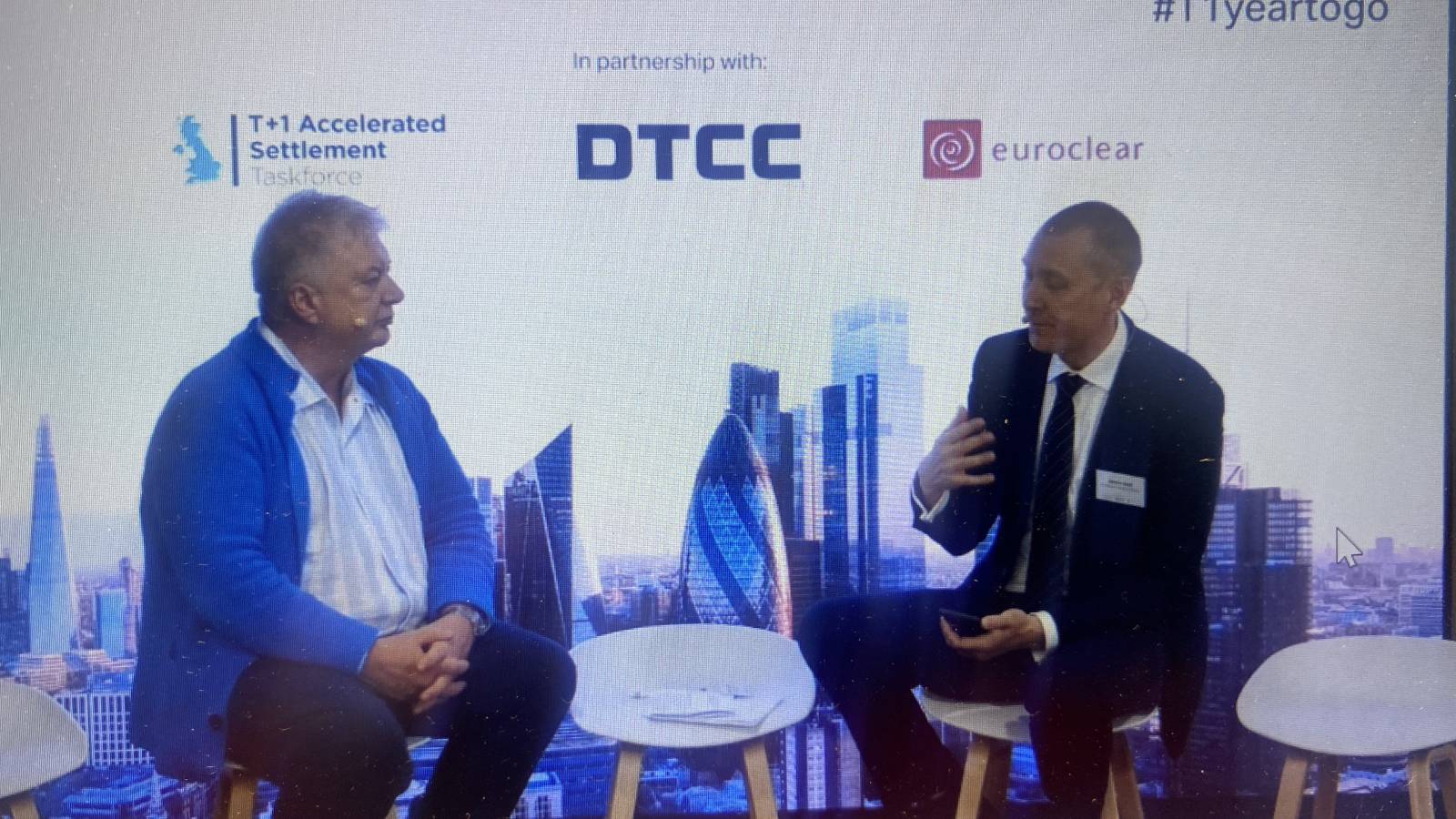


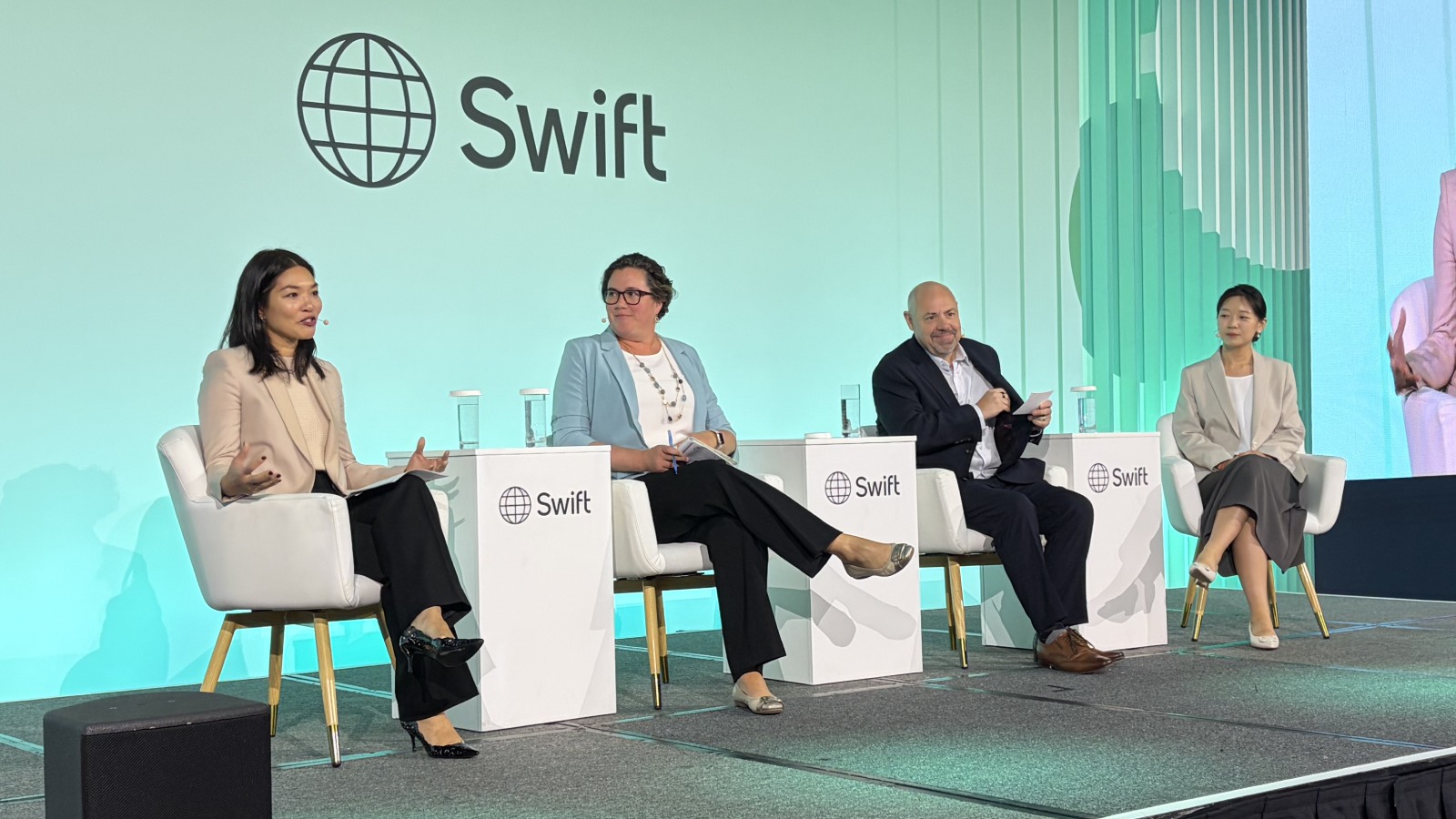






In debates about EU’s fragmentation, the region’s citizens are their own worst critics – at the ECSDA Post-trade Conference 2025, this was the overarching message in the panel titled “Is the post-trade organisation preventing deeper EU markets integration?” Five experts took to the stage to discuss the measures needed to overcome fragmentation while emphasizing that the situation isn’t as dire as it looks.
This article is an in-depth follow-up of an earlier sneak peek published on the day of the conference. Read the early coverage here.
As reported in the earlier coverage, Philip Brown, CEO of Clearstream Banking and head of Global RM, Sales and Client Services at Clearstream, believes that the EU could go easier on itself. “Despite criticisms, Europe is efficient. It’s a low-cost environment and I think there are certain features of Europe which are quite special,” he says.

Brown singles out the TARGET2-Securities system as one of the region’s successes: “There isn’t anywhere else in the world where you can come through a single point and access 19 markets in multiple stock exchanges with multiple CCPs. I think that’s quite unique, and we should celebrate what we’ve collectively delivered.”
He is a proponent of using existing infrastructures, as long as those infrastructures are functioning and well-regarded. “Let’s not make the mistake of thinking we have to replace everything that’s already there.”
Promises must be kept
Jennifer Robertson, head of unit at the European Commission, argues that the more pertinent question isn’t whether EU market participants are using existing infrastructures, but whether those infrastructures are delivering what they promised.
“Issuers want to be able to choose where they issue, and they aren’t able to at the moment. There are still various national bias that tie them to their local markets… CSDs, too, are facing challenges in providing services cross-border… This fragmentation also exists on the investor level, where the investors experience challenges buying and selling securities across the European Union,” she points out.
Rules are necessary
Some in the industry have suggested a bottom-up approach, where market participants themselves find ways to break down those barriers. Robertson is not convinced. “If it were possible for the market to achieve these things, it would already have happened,” she says. “What we’ve seen from feedback from targeted consultations is that market standards set up between market participants are implemented by some people, but not all people.”
That’s why legislation is valuable – it ensures that standards are applied. “Ultimately, that’s what’s needed in order to get the most benefit from them,” Robertson says. She believes that ironically, regulations can actually be deregulatory, when they are designed to tear down barriers. The key is to promote innovation and competition rather than take a heavy-handed approach.
Funding success
Undeniably, there’s still a lot of work to be done within post trade; the discussion took on a reflective mood when session moderator and chair of the ECSDA Board Mark Gem asked the panel to define success.
Edwin De Pauw, managing director and group head of Compliance and Public Affairs at Euroclear says, “We have huge initiatives in Europe that require lots of funding. If the capital markets in Europe are able to provide for that liquidity, then I think we can say that we have achieved our objective.”
“Concretely, I would ask ourselves, ‘Is the European market growing faster compared to the rest of the world? Is the cost of funding for issuances going down? Are companies less dependent on banks for their financing? Do we keep listing the most successful companies in Europe rather than in the US? Are we able to attract investor savings? Are we seeing an increase in foreign investment in European markets?’ That, for me, are indicators of success.”
The ECSDA Post-trade Conference 2025, held on 18 November 2025, is hosted by the European Central Securities Depositories Association (ECSDA). Follow our coverage in the coming days on the site.