










INTERVIEW | Cboe Clear Europe says its appointment as CCP for Nasdaq Iceland is part of its broader strategy to expand its pan-European clearing network—to introduce the benefits of clearing to both new markets and those without a competitive clearing framework and drive the creation of a more capital efficient and integrated post-trade infrastructure across Europe.
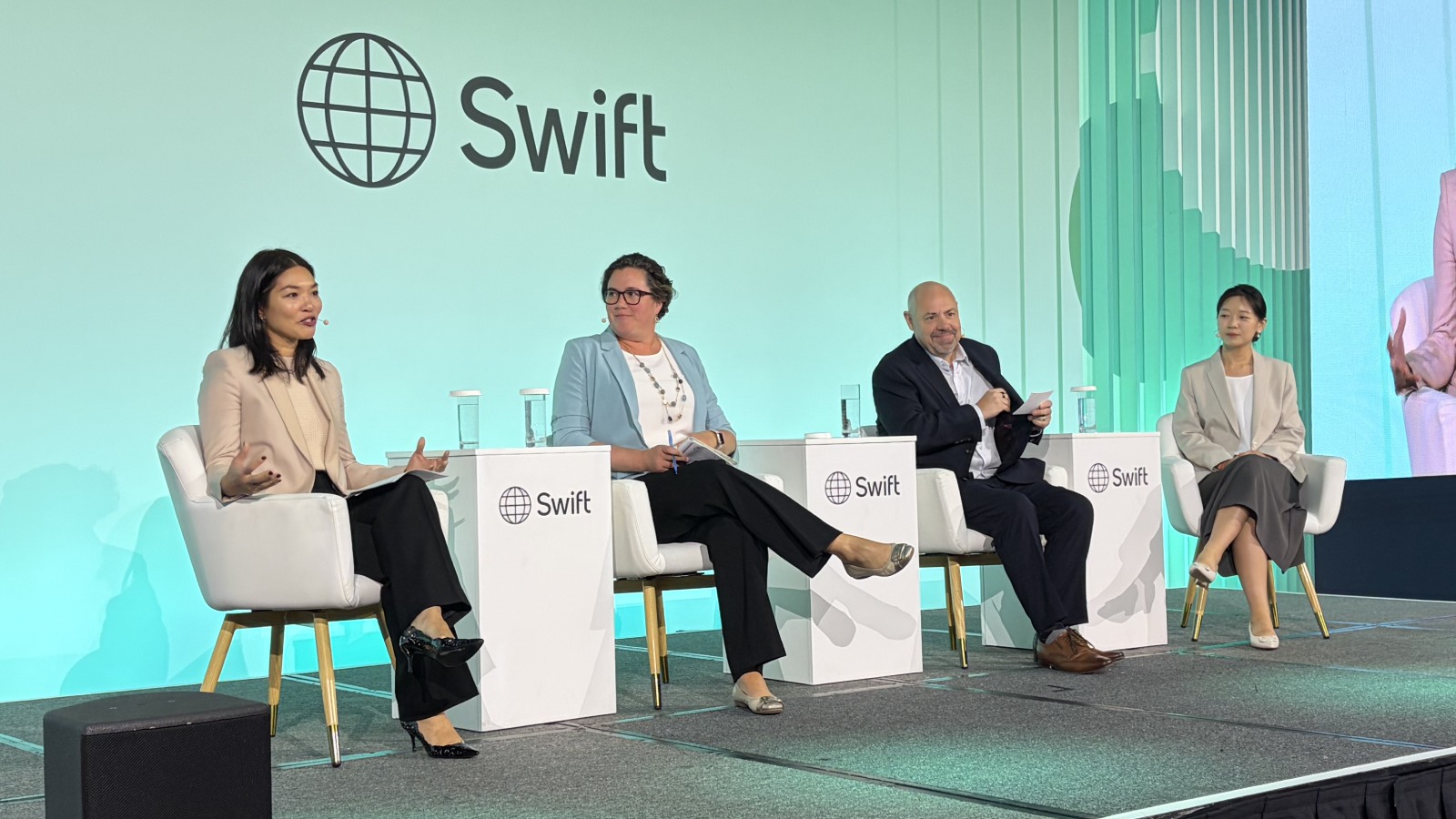
Speaking after today’s announcement, Tim Beckwith, head of Commercial Services and Business Development at Cboe Clear Europe, said the Iceland mandate sits within the message he delivered on stage at PostTrade 360° a fortnight ago: that Europe needs to keep pushing on open access and reducing fragmentation in Europe’s post-trade markets.
“The momentum is absolutely now, in conjunction with the Market Integration and Supervision Package (MISP) and significant client demand,” he said. Cboe and its peers are looking to extend interoperability “further into Europe, into some of the more vertically integrated markets”—and, on the regulatory conversations now in flight, Beckwith was candid: “This is the time for the job to get really done now.” Cboe and a group of leading buyside and sellside trading associations recently called on European policymakers to enforce mandatory clearing interoperability among large equity exchanges and CCPs.

Three years in the making
Beckwith said Cboe Clear Europe has been working with Nasdaq for three years to advocate for the Iceland opportunity—“not just for the venue, but more importantly, for the market.” The proposal won unanimous support from Nasdaq’s existing client base in Reykjavik following a roadshow with local brokers before the summer.
Market infrastructure users will recognise the backdrop: notably Iceland’s banking crisis and its lingering effect on the country’s credit ratings and index standing. The collapse, triggered by Lehman Brothers’ failure in September 2008, wiped out the exchange’s largest listings almost overnight. Beckwith characterised the market as having since moved into “a period of stabilisation and growth,” with ambitions to widen its investor base, attract new listings, and build liquidity — ambitions he said central clearing was designed to support.
Cboe Clear Europe already operates as the largest of three interoperable CCPs that clear for Nasdaq’s Danish, Finnish and Stockholm cash equity markets; Iceland extends that existing partnership to a market that, as Beckwith says, “has never had clearing for its cash equity markets” at all. Notably, Nasdaq doesn’t bring this in-house: its own clearing arm, Nasdaq Clearing, primarily handles derivatives—equity derivatives, index products, and fixed income repos—and has run its Nordic cash equities clearing through external, competing CCPs since 2009.
Nasdaq framed the appointment in similar terms. “The introduction of CCP clearing in Iceland is an important step that will bring Iceland’s capital market further in line with the structure and clearing model used across most developed European equity markets,” said Nikolaj Kosakewitsch, Head of European Markets Services at Nasdaq. Magnus Hardarson, president of Nasdaq Iceland, added:
Cboe Clear Europe will become Nasdaq’s CCP partner for the Icelandic equity market in early 2028, leveraging its established pan-European clearing infrastructure and expertise. As the CCP for 55 cash equity trading venues and market segments, the broadest footprint of any European clearing house, Cboe Clear Europe clears approximately 40% of Europe’s cash equity market.Coverage will start with selected equities listed on Nasdaq Iceland, with scope expected to widen as the framework matures.
Why 2028, and why not sooner
Beckwith pointed to two factors behind the timeline. The first is industry-wide: Europe’s move to T+1 settlement on 11 October 2027, which Cboe deliberately wanted to avoid overlapping with Iceland’s clearing transition, so as not to load two major changes onto the market’s participants at once. The second was preparatory work required given Iceland is currently a non-cleared market, and so the Q1 2028 target is designed to give local brokers room to plan.
Getting there also means clearing regulatory ground in more than one jurisdiction. Cboe Clear Europe will pursue its usual approval process with its regulators, including the Dutch AFM; Nasdaq will separately seek approval from its local regulator, the Central Bank of Iceland.
What it means for local brokers
For Icelandic brokers, Beckwith laid out two routes into the new infrastructure: become a direct clearing member of Cboe Clear Europe, or use a general clearing member (GCM) offering third-party clearing services to firms that don’t want direct membership—a choice he said will come down to each firm’s infrastructure, capital position and existing strategy elsewhere. Cboe expects some of its own existing GCM clients to move into the Icelandic market to offer that service locally, helping to bring in new trading participants. Beckwith described the onboarding process itself as “very seamless,” pointing to the company’s track record bringing newly incorporated markets into its clearing infrastructure. An education workshop with the Reykjavik broker community, run jointly with Nasdaq, is planned for October.
A continental play
Zooming out, Beckwith placed Iceland as part of a wider European cash equities strategy, centred on being the CCP with the broadest venue coverage and maximising capital, margin and operational efficiencies for participants . A key part of that strategy was also pushing for mandatory interoperability as part of the MISP. Cboe Clear Europe currently connects to exchanges including Euronext and Deutsche Börse through the “preferred clearing” model—delivering competitive clearing, in his words, but not the full benefits interoperability would bring — and the firm’s stated aim is to bring larger exchange groups that haven’t embraced interoperability into that framework. Separately, Cboe is assessing fully vertically integrated markets with no competitive clearing at all, naming Bolsa de Madrid (BME), the Warsaw Stock Exchange and the Vienna Stock Exchange as markets under evaluation, contingent on client demand and a viable business case. Beyond those, Beckwith noted other European jurisdictions that operate without any clearing and remain on Cboe’s radar—Iceland, until today, among them. “It’s very much a continental European play right now,” he said.