

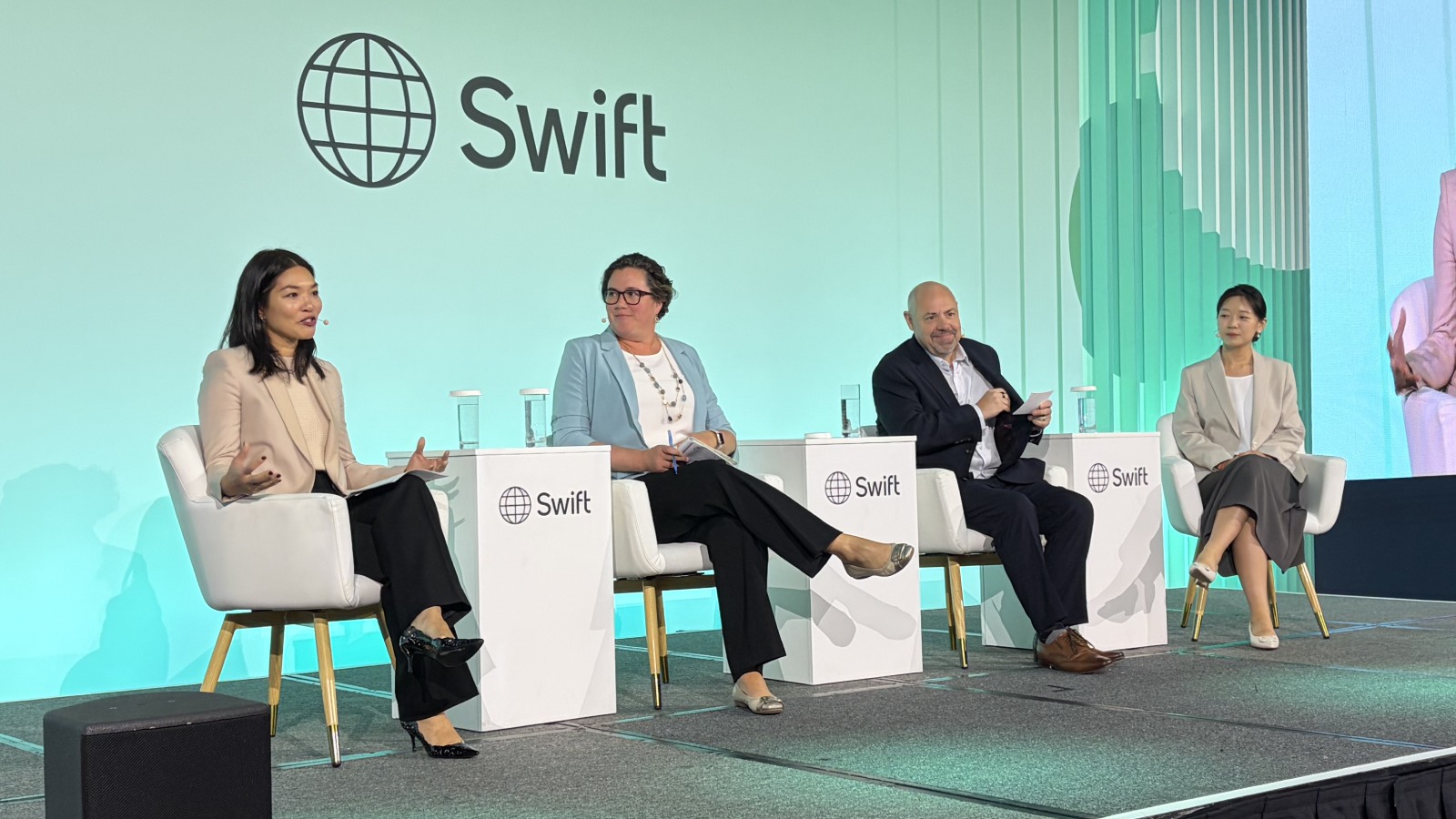











It was great to be back at the PostTrade 360° conference in Stockholm in September. It was clear that minds are focusing on the looming go-live of T+1, something I spoke about on several panels. Most, if not all, market participants understand what needs to be done to be ready for next October: industry bodies and regulators have provided a clear roadmap for cut-off times and what the optimal post-trade cycle looks like on T+1.
Contributed by James Pike, chief revenue officer, Taskize
As firms test if their systems are ready – and that exceptions can be resolved in a shorter timeframe – they should also look at proactive measures to ensure they have the best possible set-up to handle fails when they occur.

Under T+1, time is precious, and firms are looking to maximise it. So far, the main focus has been reactive, i.e., making sure that what can currently be done in T+2 becomes possible in T+1.
But firms should also look at what they can do proactively. Some post-trade processes can be aided through organisational work done “pre-trade”, while communication channels should be implemented to proactively resolve fails as efficiently as possible.
Getting the reference data house in order
A key barrier to efficient settlement operations is counterparty or reference data – Information about a counterparty that exists separately from an individual trade and is reused across transactions. It includes very specific data such as legal entity information, account details, standing settlement instructions (SSIs), and something as basic as knowing who to contact when something goes wrong. While trade data such as order size and price can fluctuate, reference data is stable.
Yet fails still occur because this data is inaccurate. Firms might scramble to check reference data, validate account details, or identify a counterparty’s main point of contact, but much of this work can and should be done proactively.
Counterparty contacts, account details, and settlement instructions can be validated beforehand, with that information then accessible throughout the trade lifecycle. Wrong reference data, like incorrect trade info, can cause breaks, but once solved, it can be applied to every subsequent trade.
The overall objective of all this work is to identify unsuccessful trades quicker and fix them faster. If a trade is being flagged, the operations team knows it’s not due to a mistake in the reference data.
This early verification of reference data not only provides more time to work through settlement mismatches but also provides operations teams with a point of contact within the counterparty. A mismatch only occurs when two counterparties disagree, making communication critical to its resolution.
A direct digital conversation with the right person can more quickly solve mismatches compared to cumbersome email chains. Specific chats attached to specific trade breaks allow for both speedy resolution and an audit trail behind how it was resolved.
Preparing for the fails you cannot prevent
Getting reference data right can also remove a significant source of avoidable breaks, although not every settlement problem can be prevented before a trade takes place. T+1 requires firms to prepare for exceptions caused by changing positions, inventory movements, and dependencies between trades.
For example, a bank may buy securities in one place while needing to deliver the same securities somewhere else. If the securities it expects to receive do not arrive on time, it may need to locate alternative inventory and move it to where it is required. This “cat and mouse” game between incoming and outgoing securities movements can create unfunded trades or leave firms without the securities needed to settle.
These problems cannot always be prevented in the same way as reference data errors, but firms can still prepare for them. Operations teams need an immediate view of the issue, the relevant trade and inventory information, and a direct route to the counterparty or internal team that can resolve it.
Collaboration and communication are key
In summary, T+1 is putting pressure on operations teams to do the same amount of work in less time. Some of that work can be done outside of the T+1 window.
Every avoidable task that can be done beforehand or proactively prevented allows a time-pressured middle office more capacity to handle tasks that truly demand their attention.
The answer to both sets of issues is better communication and coordination. With just one year to go until this brave new dawn, implementing tools for internal and external collaboration must be high up on the agenda to ensure a smooth transition.