



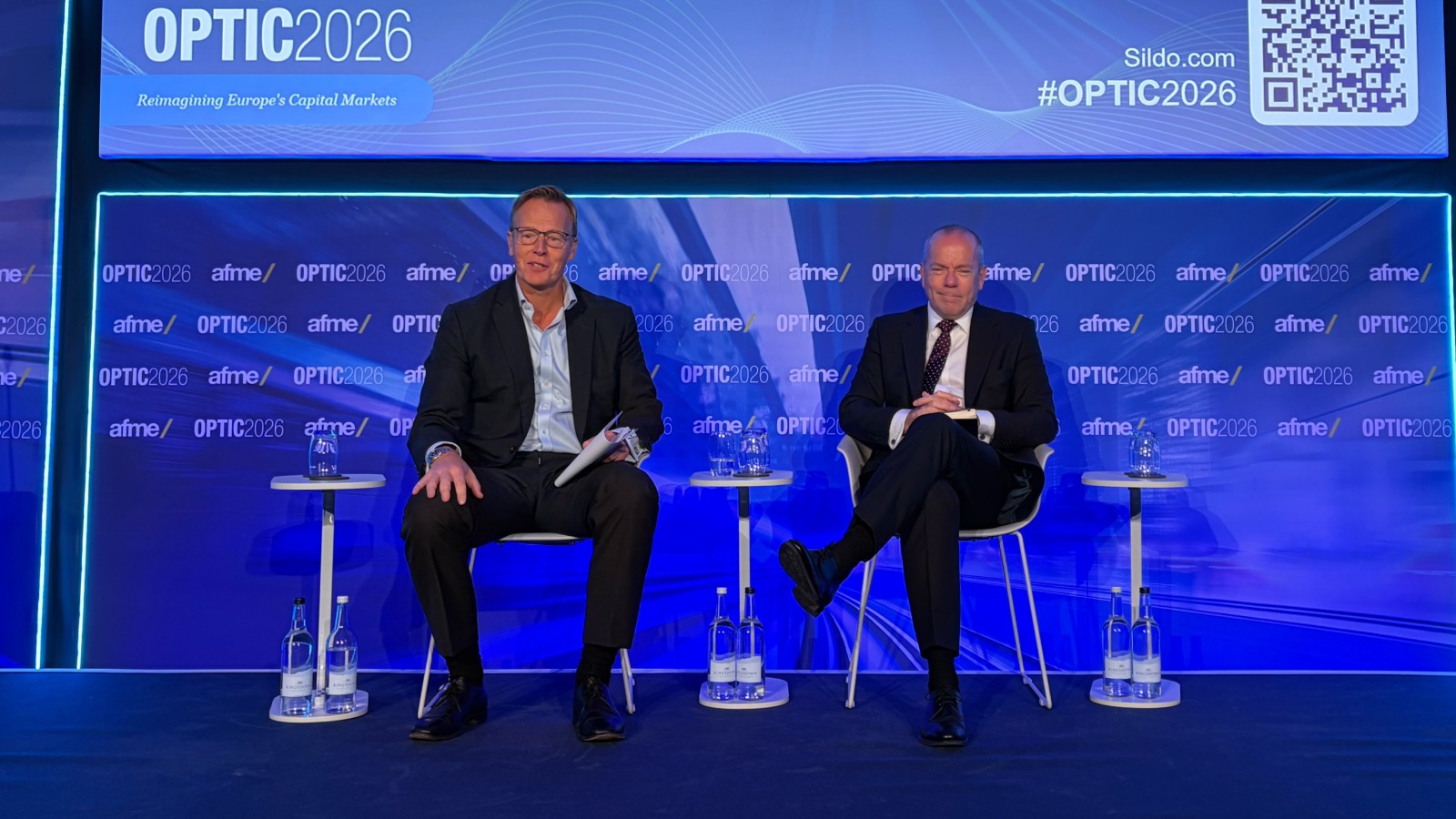





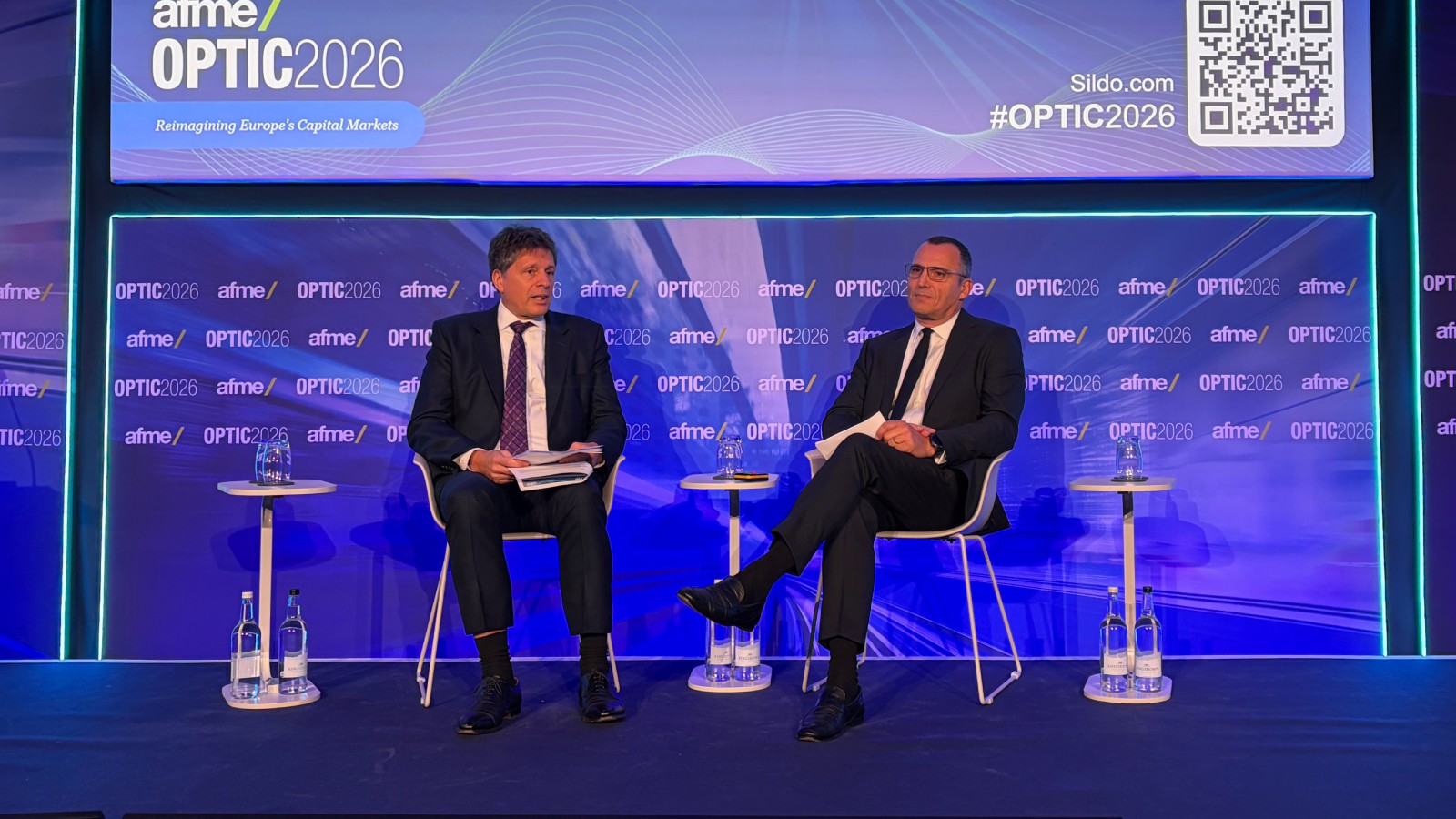



From 11 October 2027, the EU, UK, and Switzerland will simultaneously move from a T+2 to a T+1 securities settlement cycle. This means that securities transactions will settle one business day after the trade date instead of two.
The change from T+2 to T+1 aims to reduce risk and improve market efficiency, align and strengthen Europe’s competitiveness, as well as support further automation.
Market participants now face a wide range of system upgrades and new routines. Allocations, trade confirmations, matching, settlement instructions, funding arrangements, and foreign exchange transactions will all need to occur much earlier in the trade lifecycle.

“Businesses will need to increase automation, improve data quality, and reduce reliance on manual processes. This is a structural change for the entire industry,” says Ann Magnusson, head of Investor Services at SEB.
SEB has been actively engaged in the European T+1 initiative and is working closely with technology teams, vendors, and industry participants, while supporting clients through webinars, educational materials, and readiness discussions.
For investors, the main advantages are faster access to cash after selling a security and lower risk, since the time between entering a trade and completing it is shorter. Clearinghouses in some markets may also reduce the collateral investors must set aside.
The Nordics stand out
The Nordic region is particularly exposed to the change because many households hold investments. In Sweden, a large share of the population saves in funds, shares or pension products, which increases the focus on operational resilience and cybersecurity as markets become more digital.
Magnusson expects the coming months to be decisive.
“The Nordics are well placed, thanks to high levels of automation and efficient post-trade processes. The challenge now is execution: using 2026 to prepare for the new rules, strengthen operational resilience, and support clients through the transition,” she says.
SEB is collaborating with regulators, authorities, and industry groups on the shift. A key priority is ensuring that the migration to T+1 does not disrupt processes that already function well. Market engagement from both corporate and institutional clients will be essential as the deadline approaches.