







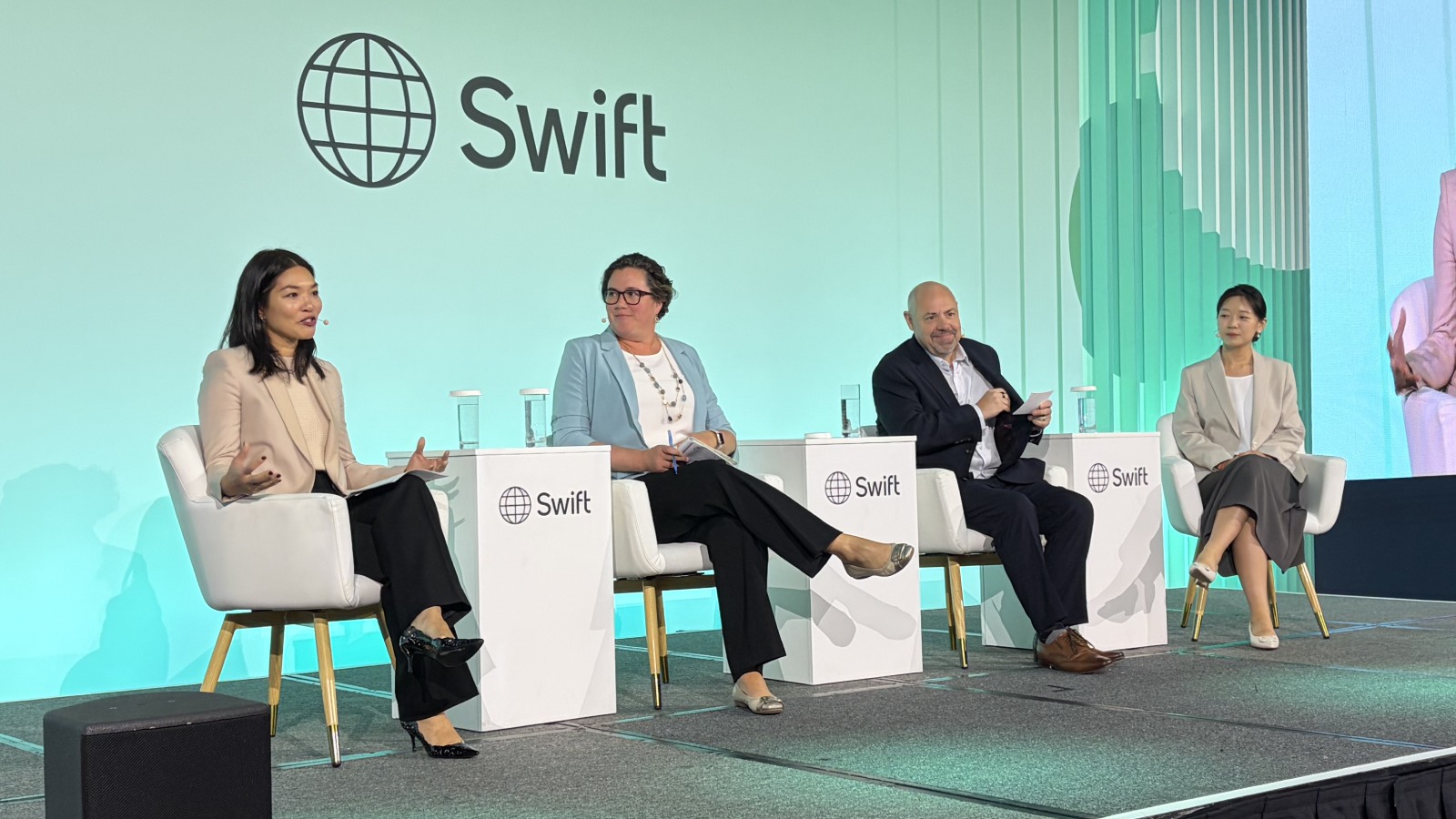




INTERVIEW | As Europe considers potential amendments to its Shareholder Rights Directives, a panel at the upcoming PostTrade 360° conference will examine how improvements could further enhance investor engagement and the investor identification process. Join Adam Bowen, head of Asset Servicing Product Development at Clearstream, and others on a session titled “The evolution of the shareholder rights legislation” on 3 September.
Nine years after its adoption to strengthen long-term shareholder engagement, improve transparency, and introduce shareholder identification rights, the Shareholder Rights Directive II (SRD II) is widely regarded as a success. It has enhanced shareholders’ ability to exercise their rights (particularly through participation in annual general meetings), placed renewed focus on shareholder engagement in Europe, and, for the first time at an EU level, enabled listed companies to identify their shareholders.
Central securities depositories (CSDs) such as Clearstream sit at the centre of the post-trade infrastructure between issuers and shareholders, facilitating investor identification and the exercising of shareholder rights. Adam Bowen, who leads asset servicing product development at Clearstream, observes that so far, “we’ve seen a significant increase in shareholder voting volumes at general meetings, with annual growth exceeding 30% over the past five years. That is positive — it shows more shareholders are engaging”.

Looking ahead, the European Commission ran a consultation and placed an amendment of the directive on its roadmap for 2027 (a key deliverable of its Savings and Investments Union strategy), with the assessment phase targeted for completion in Q2 2026. Discussions for improvement now focus on connectivity between issuers and their shareholders via intermediaries, shareholders’ ability to exercise their rights, and identifying investors in listed companies, and potentially a broader range of securities they’re invested in.
Next phase
For Bowen, the next phase is clear: “The goal for legislators and the industry is to make this process more seamless: more automation, machine-readable formats, and messaging that allows every stakeholder in the chain to operate as simply and cost-effectively as possible. Ultimately, we measure success by continued growth in participation volumes. We want every shareholder, wherever they sit, to be able to exercise their rights.”
Bowen also highlights the importance of distinguishing between shareholder identification and broader investor identification. “The directive covers listed equities, but there are many more securities — non-listed equities, investment funds, bonds — where identification is also relevant.”
This work may also, over time, touch on shareholder registration practices as identified in the AMI-SeCo / ECB report, which notes fragmentation in this as a barrier to efficient cross-border investment and an obstacle to harmonisation and capital markets growth. For CSDs operating across Europe, differing national regimes create operational friction that practitioners consistently recognise as a pain point
Bowen sees a constructive link, but not a prescriptive one. “The shareholder identification regime could perhaps be used as a tool to improve or harmonise registration practices. Discussions on this are still at an early stage, and there will be opposing views — registration regimes are deeply rooted in domestic law.”