

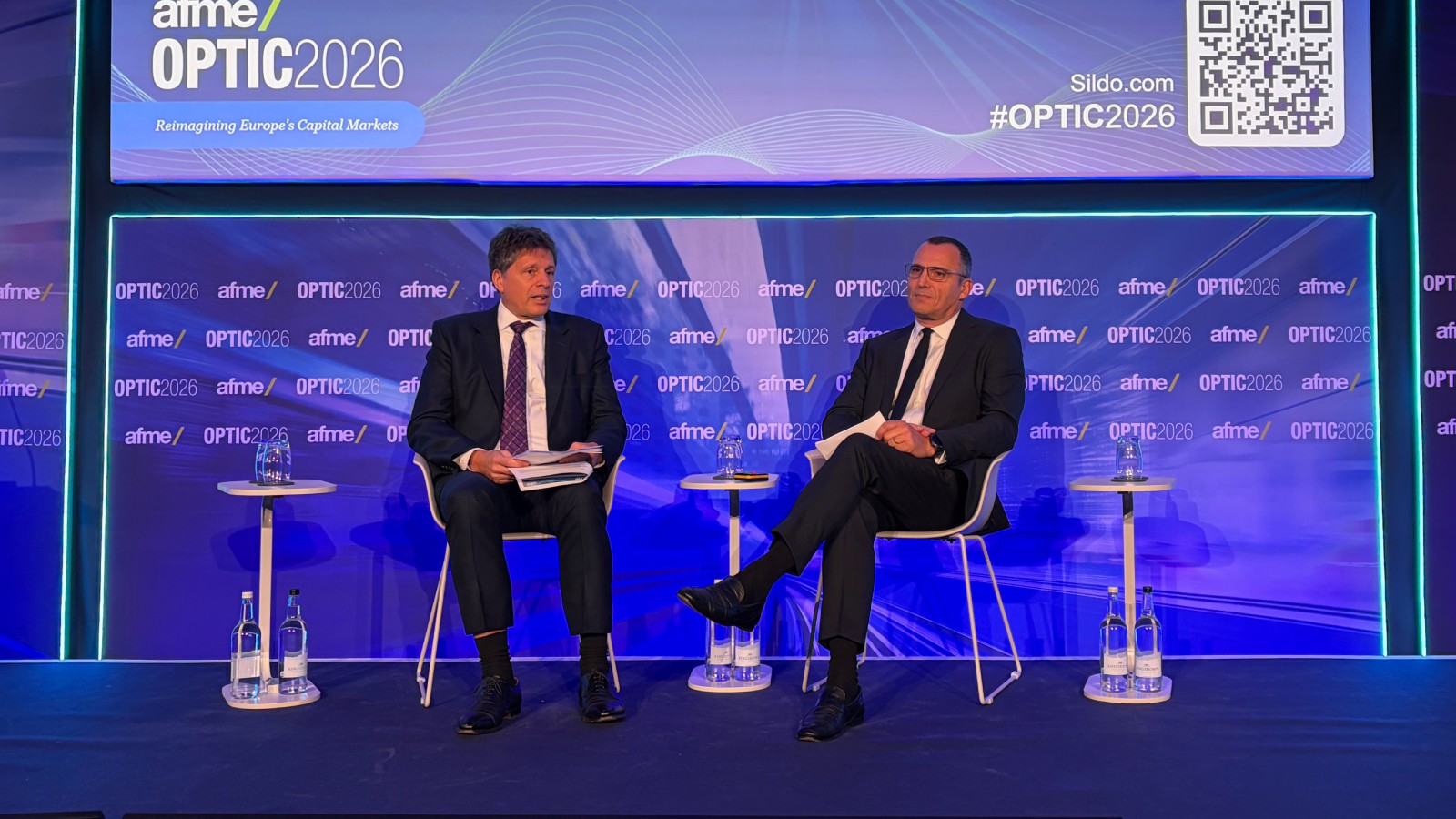
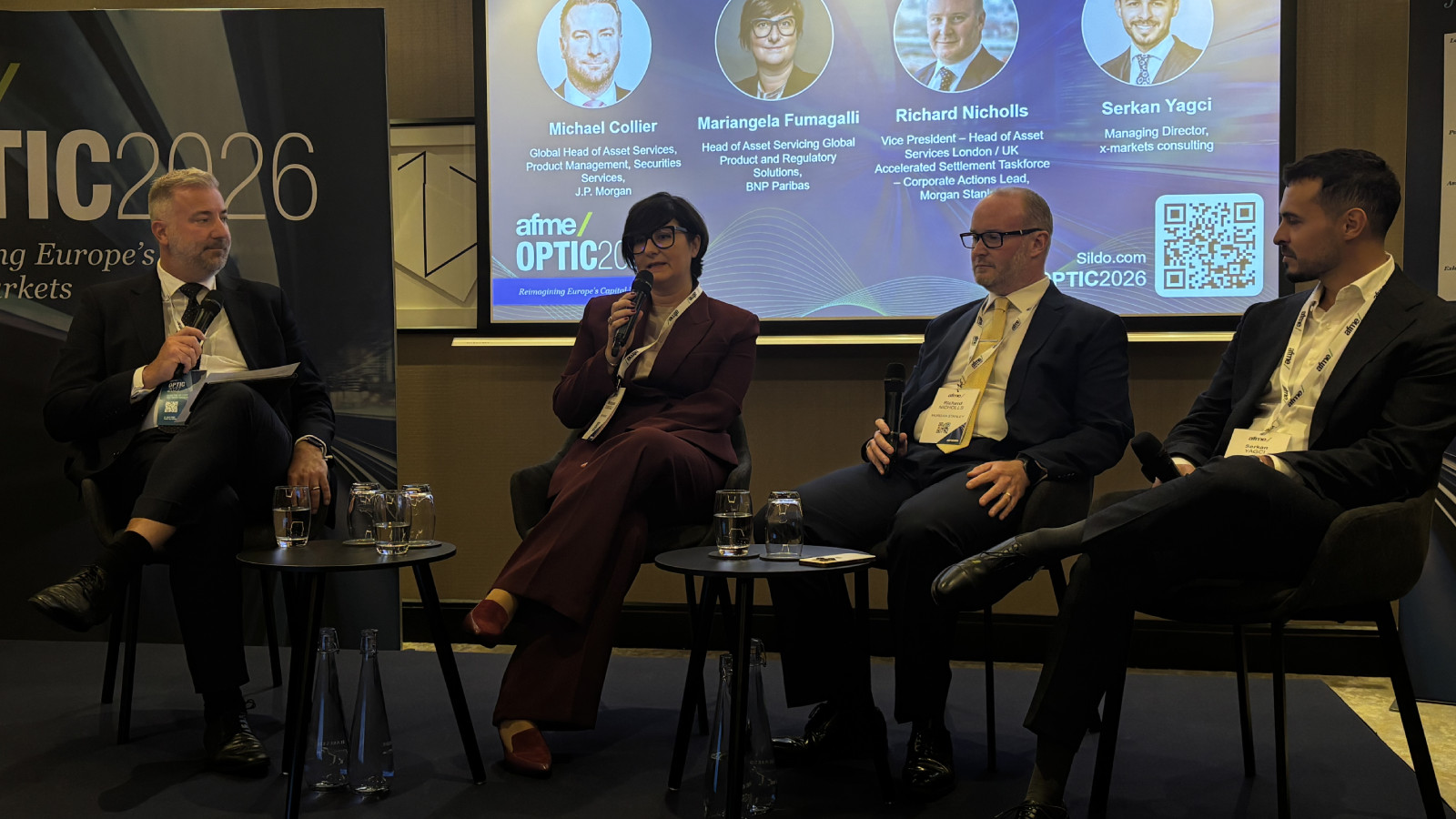









INTERVIEW | Do we really need same-day settlement? At PostTrade 360’s conference on 2-3 September, a panel of post-trade professionals will take on the question. Ahead of the debate, Andreas Ljungkvist, head of Liquidity Management Solution Design at OSTTRA, argues the real issue isn’t speed — it’s whether the market has the right operating model to make faster settlement safe and genuinely useful.
Same-day settlement means less counterparty risk and less capital tied up. But it also strips out the time the industry relies on for funding, netting, FX, securities lending and fixing exceptions manually.
For Andreas Ljungkvist, the starting point should be the operating model, not the clock. Shorter cycles should be the natural result of getting that model right — not the goal itself.

“The key question isn’t just ‘Do we need T+0?’ It’s ‘What needs to be true for T+0 to work well, and for same-day settlement to genuinely create value?’”
A technology issue, not a time issue
Remove a day from the cycle, Ljungkvist says, and you remove the one thing the industry has relied on for decades: time. Time to fund, borrow securities, fix instructions, resolve exceptions, reconcile.
“The discussion isn’t really about T+0 — it’s about what replaces that buffer.”
That, he says, is why T+0 is fundamentally an operating model question, touching cash, collateral, funding, securities lending and liquidity optimisation.
“The answer is better operating models: automation, better data, real-time visibility, earlier matching, exception management, interoperability. Historically, markets were resilient because they had time. Going forward, they’ll need better technology instead.”
T+1 has already shifted the conversation — not because it leads automatically to T+0, but because it’s pushed firms to ask harder questions about how they operate. “Investments in these areas create value regardless of whether settlement stays at T+1, moves to T+0, or goes further to continuous settlement.”
He views it through a liquidity lens: settlement, he says, “isn’t an isolated activity — it’s connected to everything around it.” And he isn’t convinced T+0 is inevitable: “Markets will move naturally towards shorter cycles — but only where there’s a clear benefit.”
Continuous readiness
The bigger trend, he argues, isn’t any single settlement cycle but continuous readiness — markets becoming capable of operating continuously rather than in batches. Once that’s in place, whether the cycle lands on T+1, T+0 or something more dynamic becomes secondary.
“At OSTTRA, we see many parts of the post-trade ecosystem — matching, settlement, cash flows, collateral and liquidity. That gives us a view of where friction still exists. This isn’t about one provider — it’s about making the market more connected and automated.”
Ljungkvist compares it to a flight whose boarding time has moved an hour earlier: the answer isn’t just to sprint wildly through the terminal, but to eliminate friction before security by having your passport out, keys removed, and liquids cleared ahead of time. Shorter cycles ask the same of the industry — less about scrambling at the deadline, and more about proactive preparation across operations, liquidity, and collateral management.
“The takeaways are less about T+0, yes or no, and more about how firms prepare for a world where post-trade has to become more automated, more real-time, and less dependent on the overnight buffers the industry relied on for years.”
Ultimately, this isn’t just about the move to T+0. It’s about whether we’ve built an operating model that’s ready for whatever comes next.
• For more information about the PostTrade 360° conference happening on 2-3 September 2026 and to register, click here