
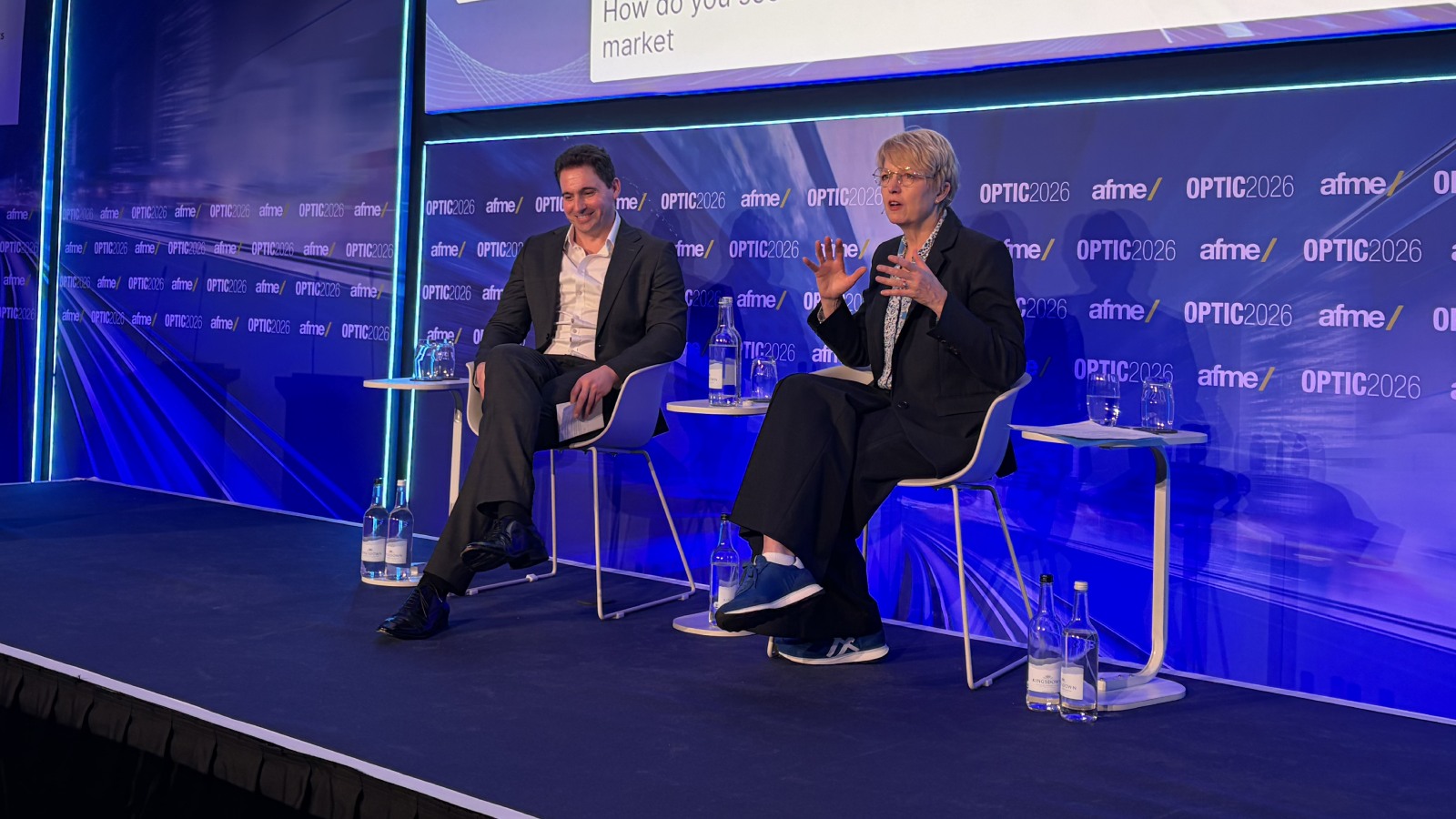
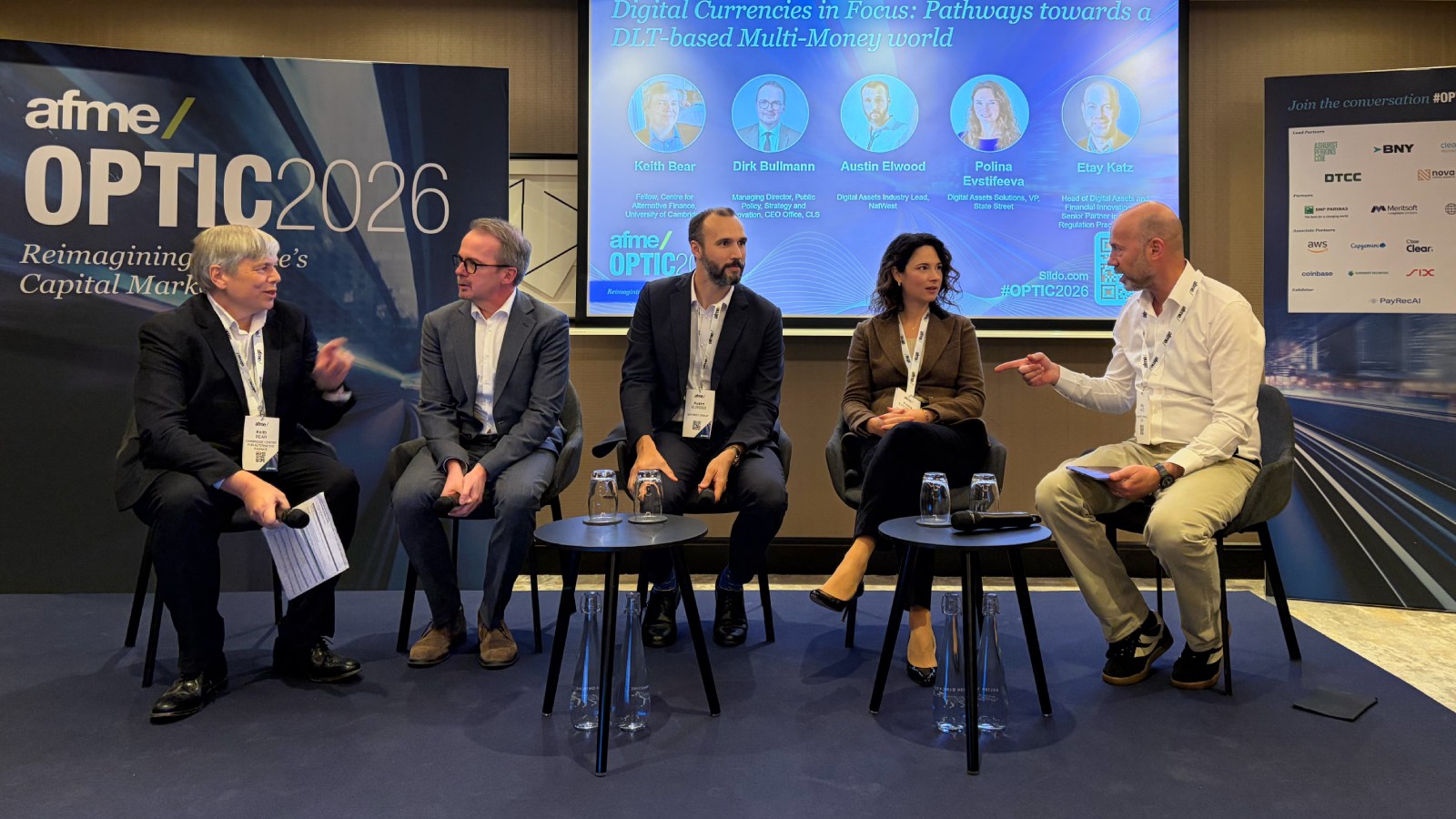
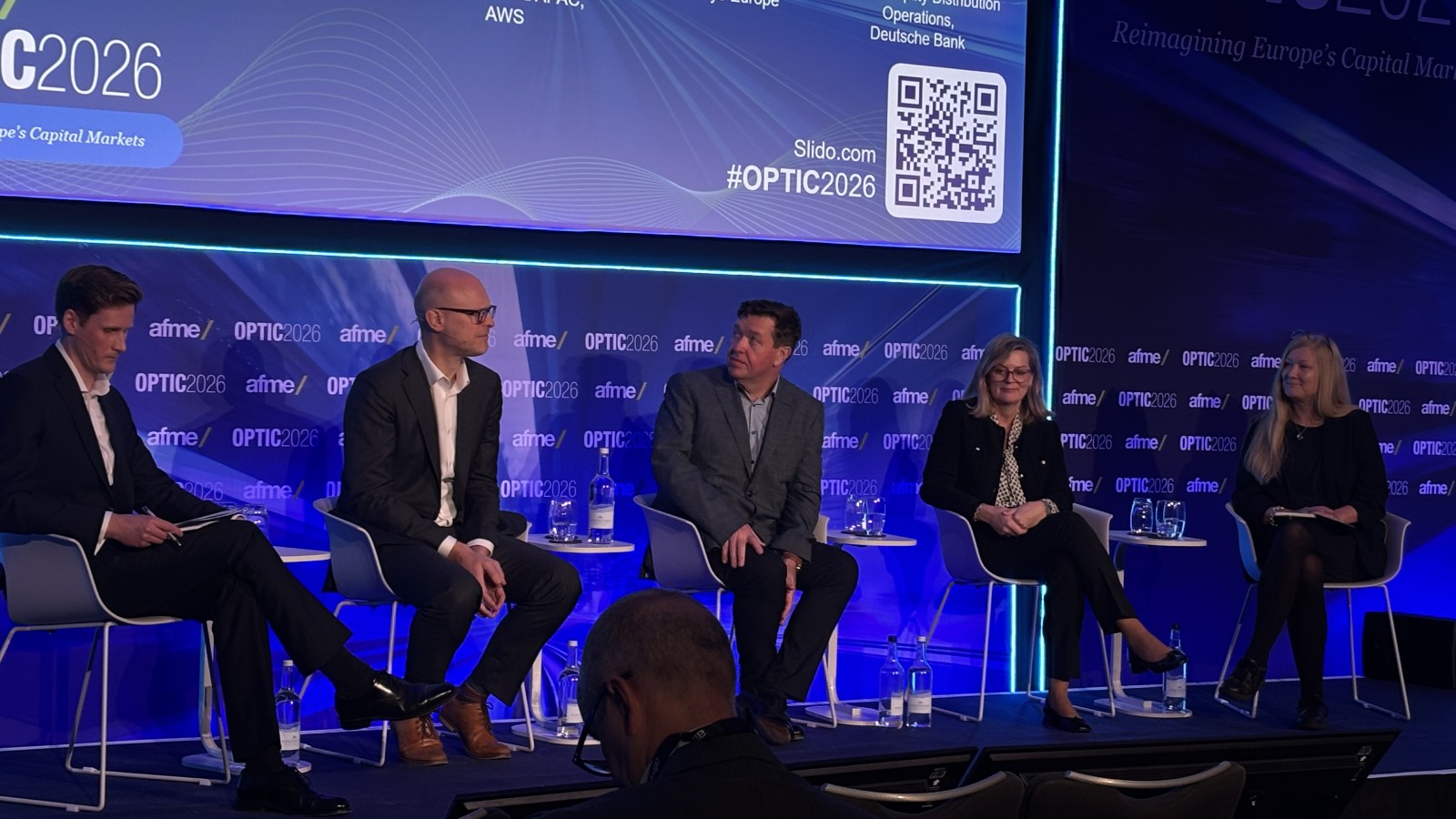
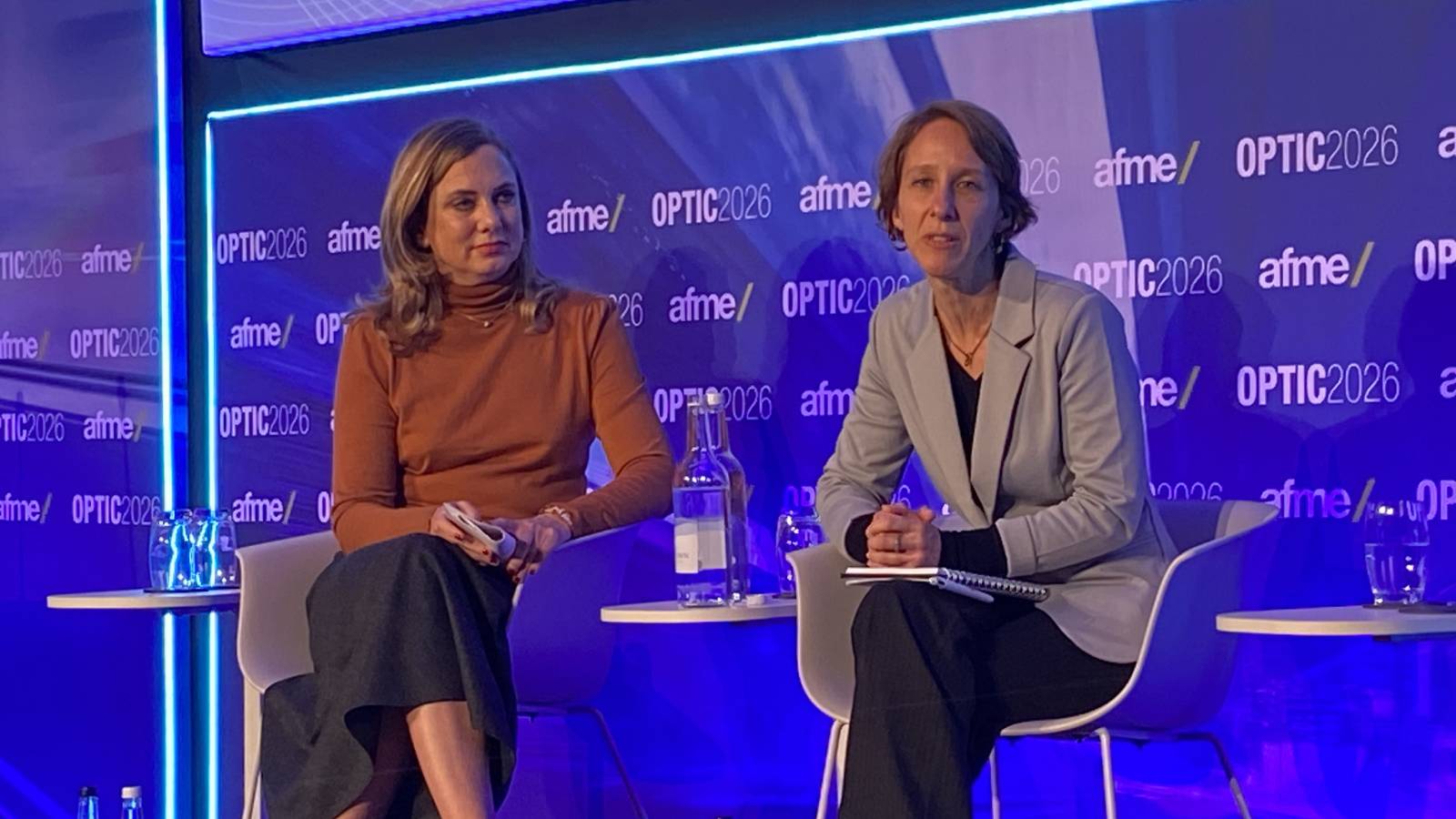
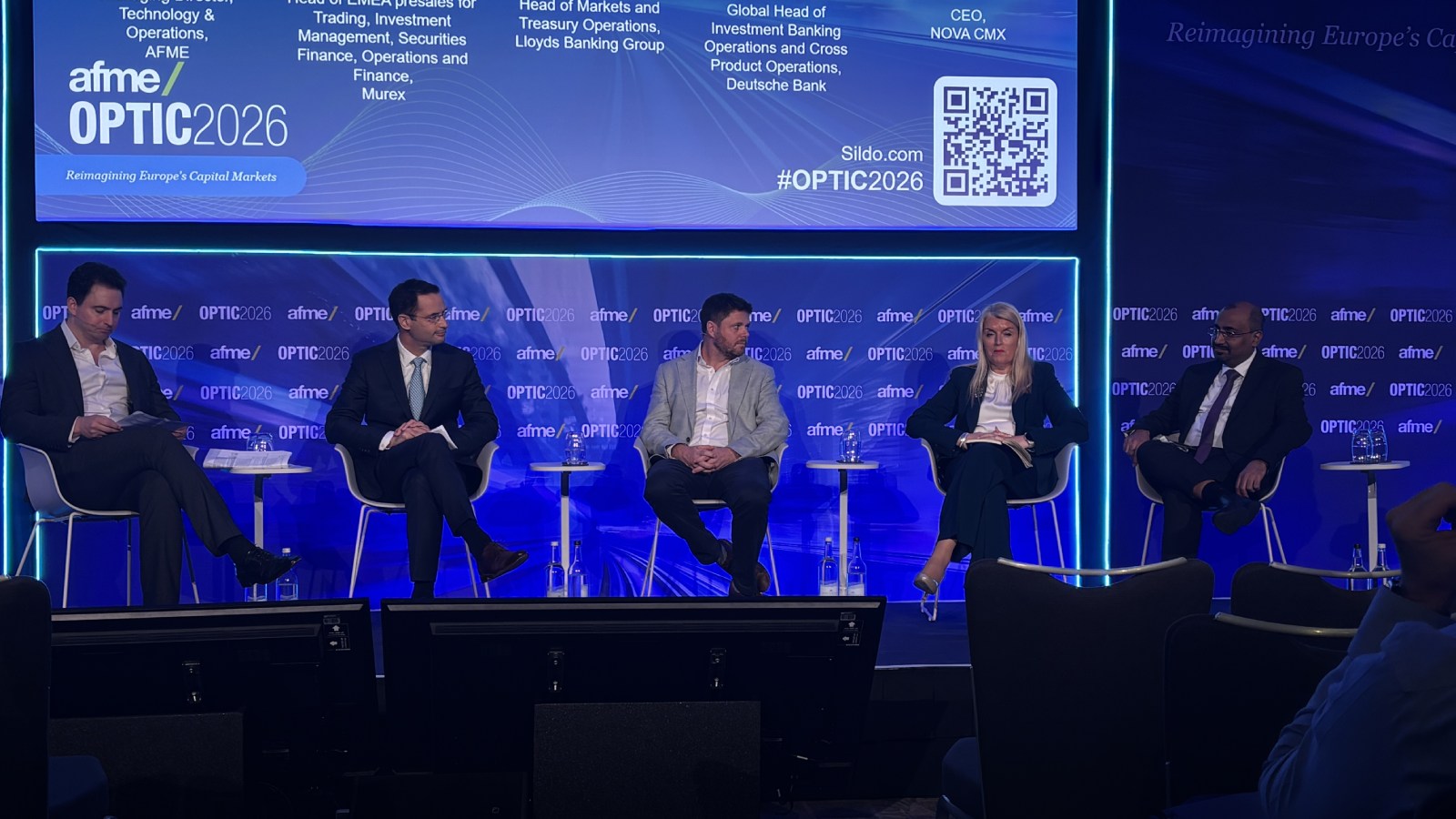
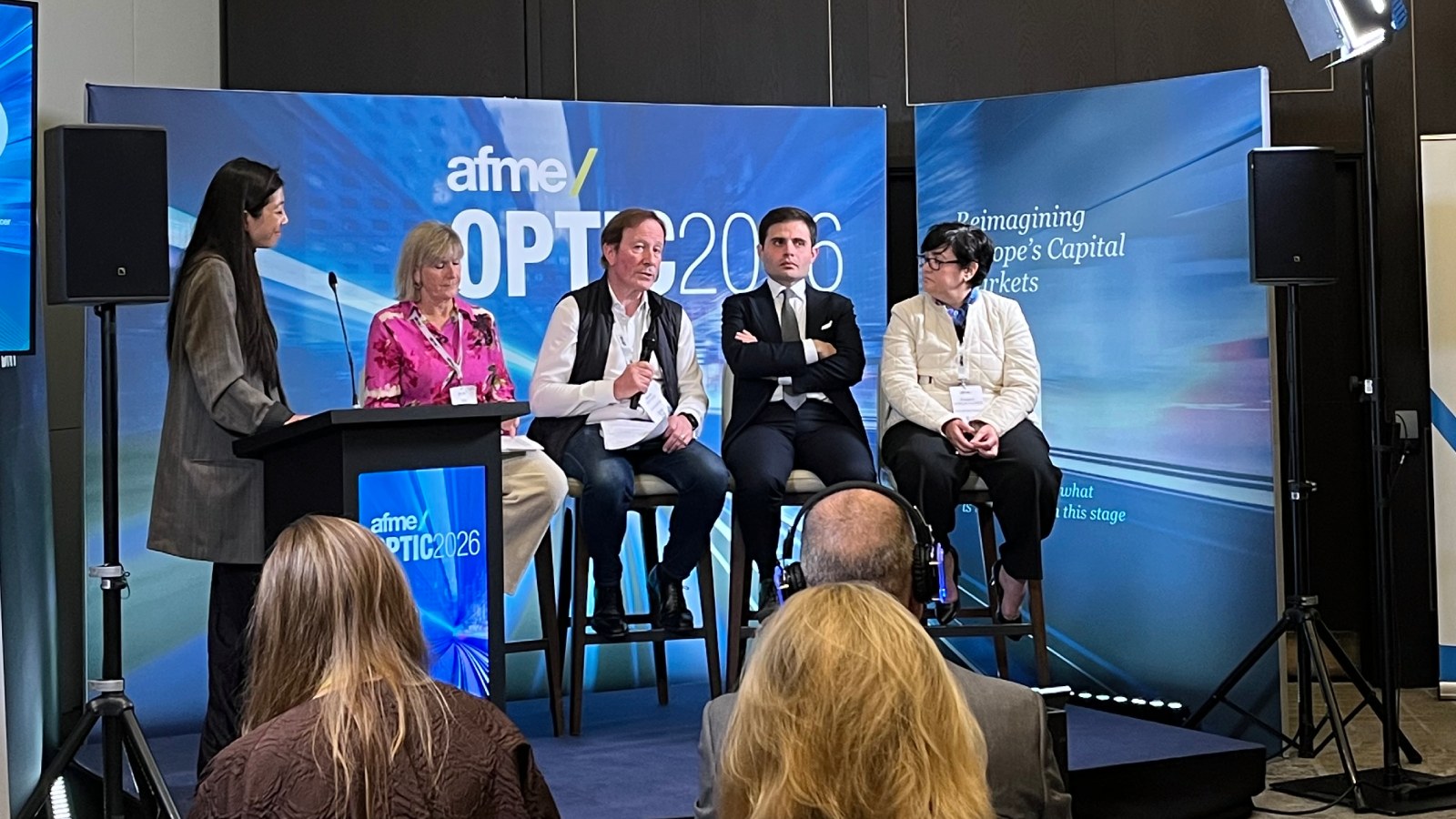
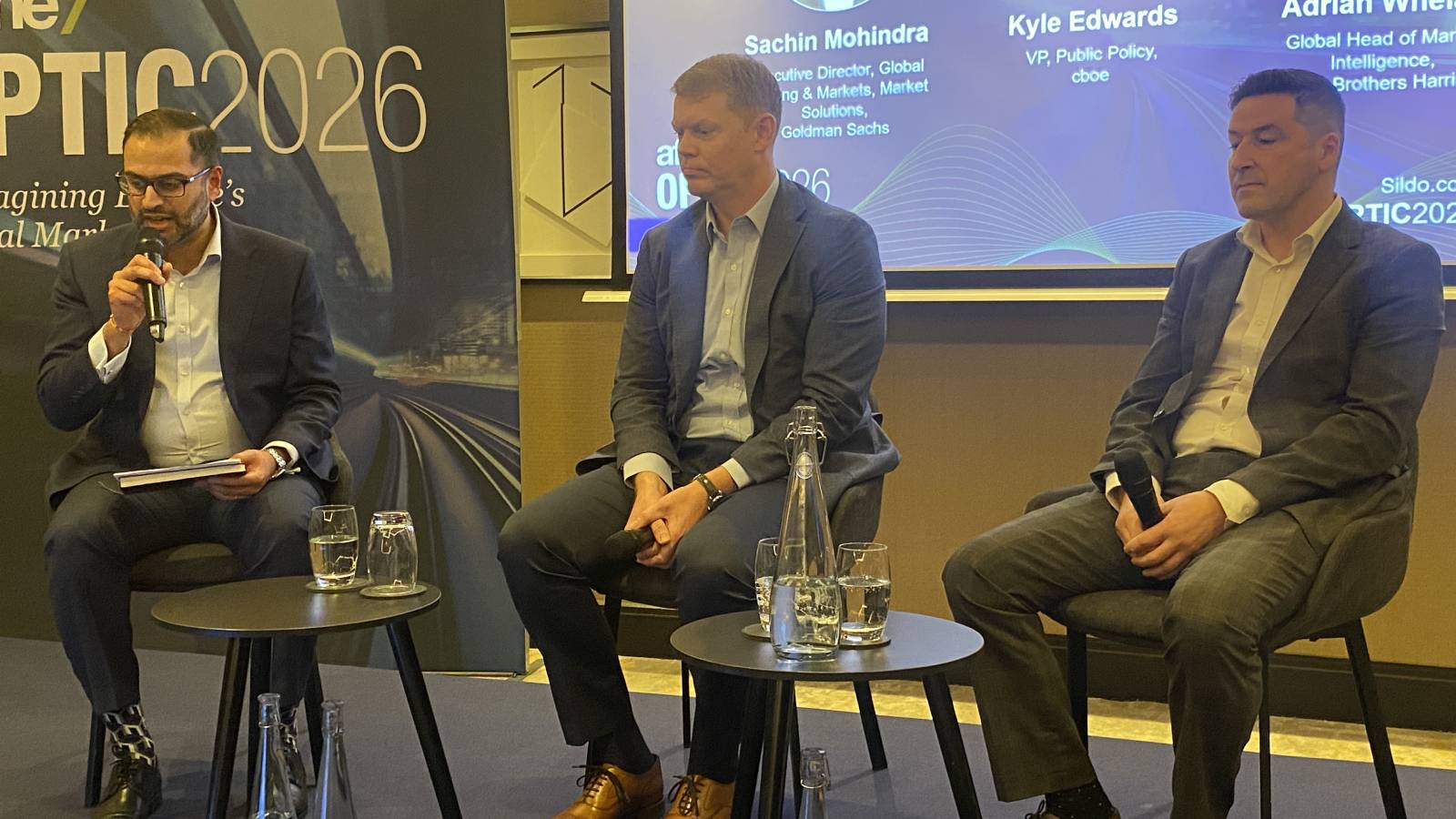
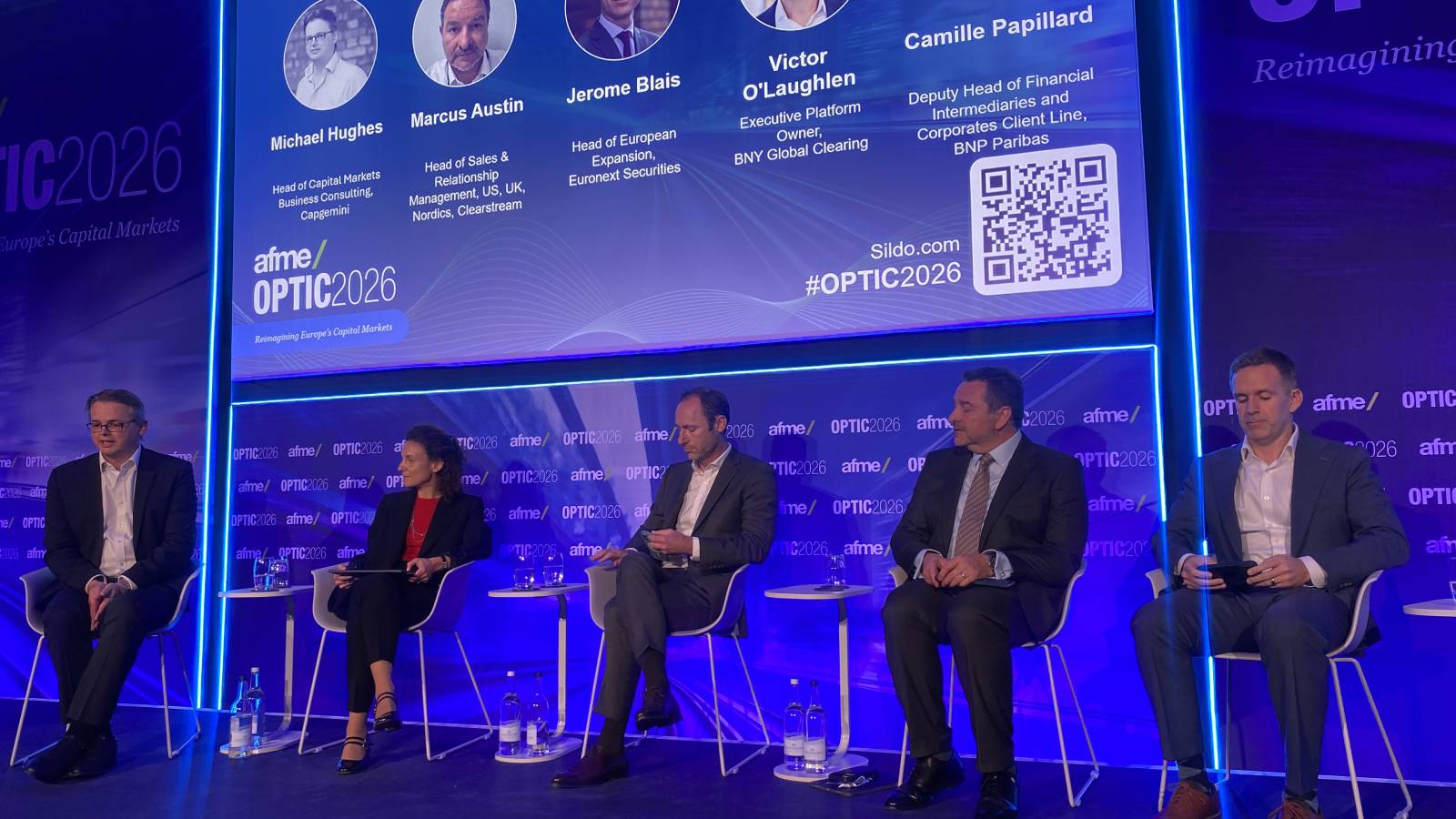


As the T+1 transition squeezes the time margin for fixing settlement mismatches by up to 80 per cent, having the “static” part of the data right already before the trade could shorten the stretch to success. A Wednesday panel at Optic 2025 in Amsterdam looked into the room for process improvement.
“Discrepancies come where standards have not been applied,” says Marcello Topa, Director, Global Market Advocacy, Policy and Strategy, Citi.
Wednesday morning saw him share a panel with …
Mimi Yan, Senior Technical Specialist, Financial Markets Standards Board (FMSB), and
Nicole Sandler, Head of Corporate and Regulatory Affairs, CFIT,
with industry expert Emma Johnson leading the discussion.

As institutions trade securities by agreeing on a trade volume and price, each party will add instructions around additional parameters – not least to where money or securities should be delivered. Like when writing an address, there are many ways this can be done in faulty or hard-to-interpret ways. Often, this data will be produced for the trade only after the trade has happened. The panel promoted the idea of getting the data ready in advance, where possible already on the onboarding of a trading client with a custodian or broker.
A recent effort by Mimi Yan’s FMSB has set out to standardise the so called standing settlement instructions, SSIs, and the organisation, which is UK-based, is hoping for international spread. Short of unified standards as such, many problems are solved as long as practices follow different standards which are predictable enough to be made interoperable.
The yearly Optic conference, in Amsterdam on 7–8 October 2025, is hosted by the Association for Financial Markets in Europe (AFME). Optic stands for the “Operations, post trade, technology and innovation conference”. PostTrade 360° is there, with our coverage collected here.