

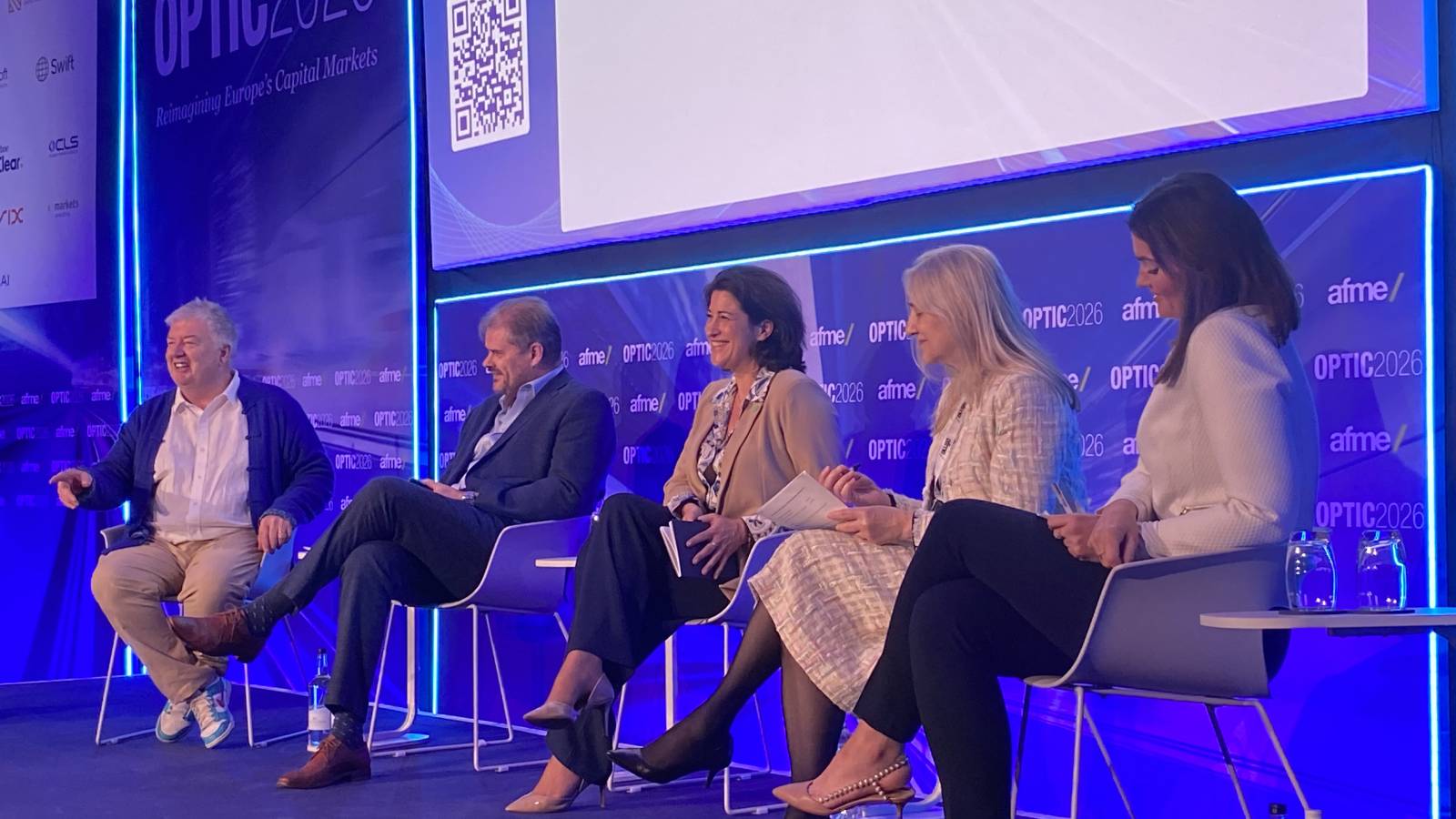
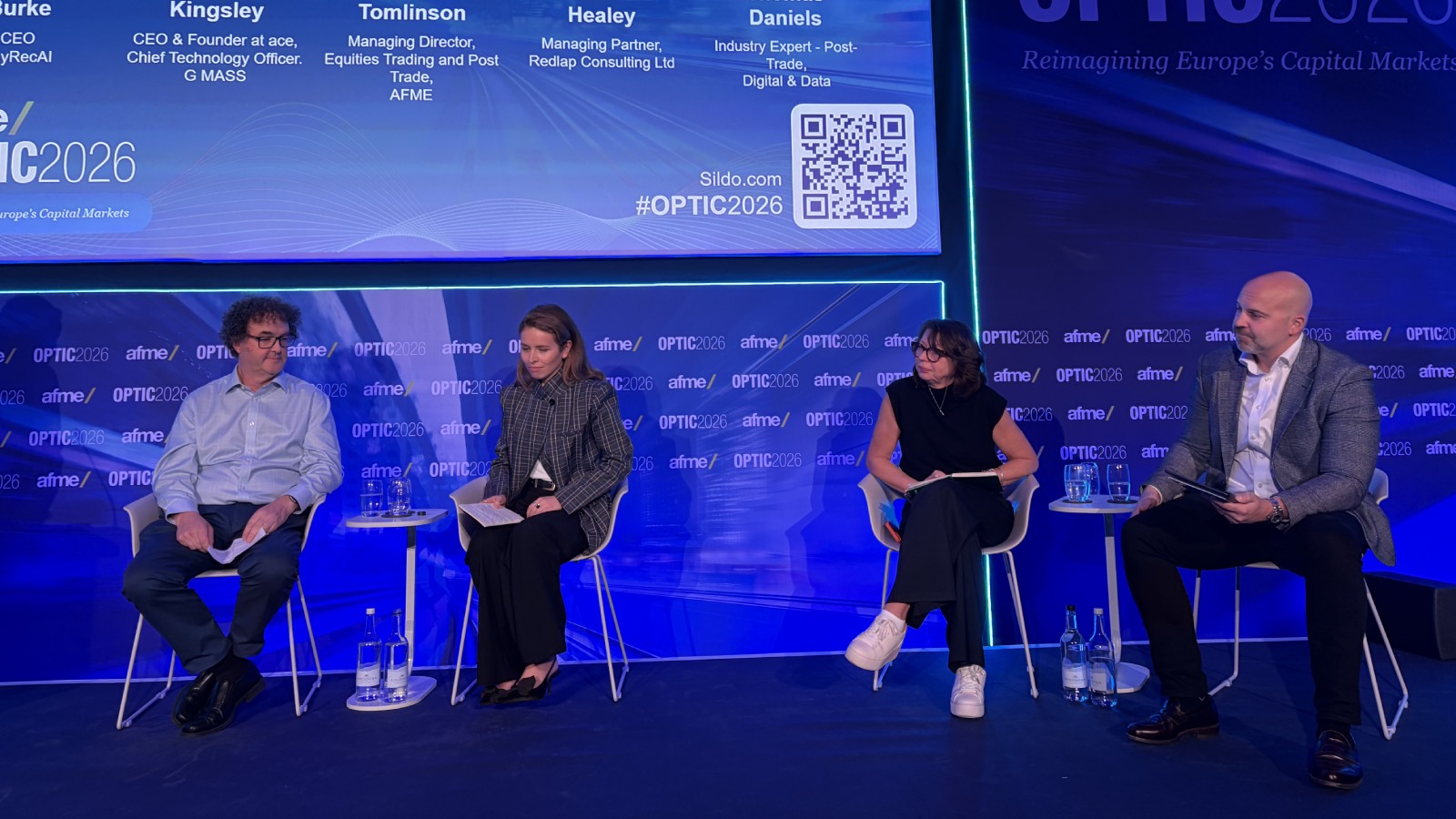

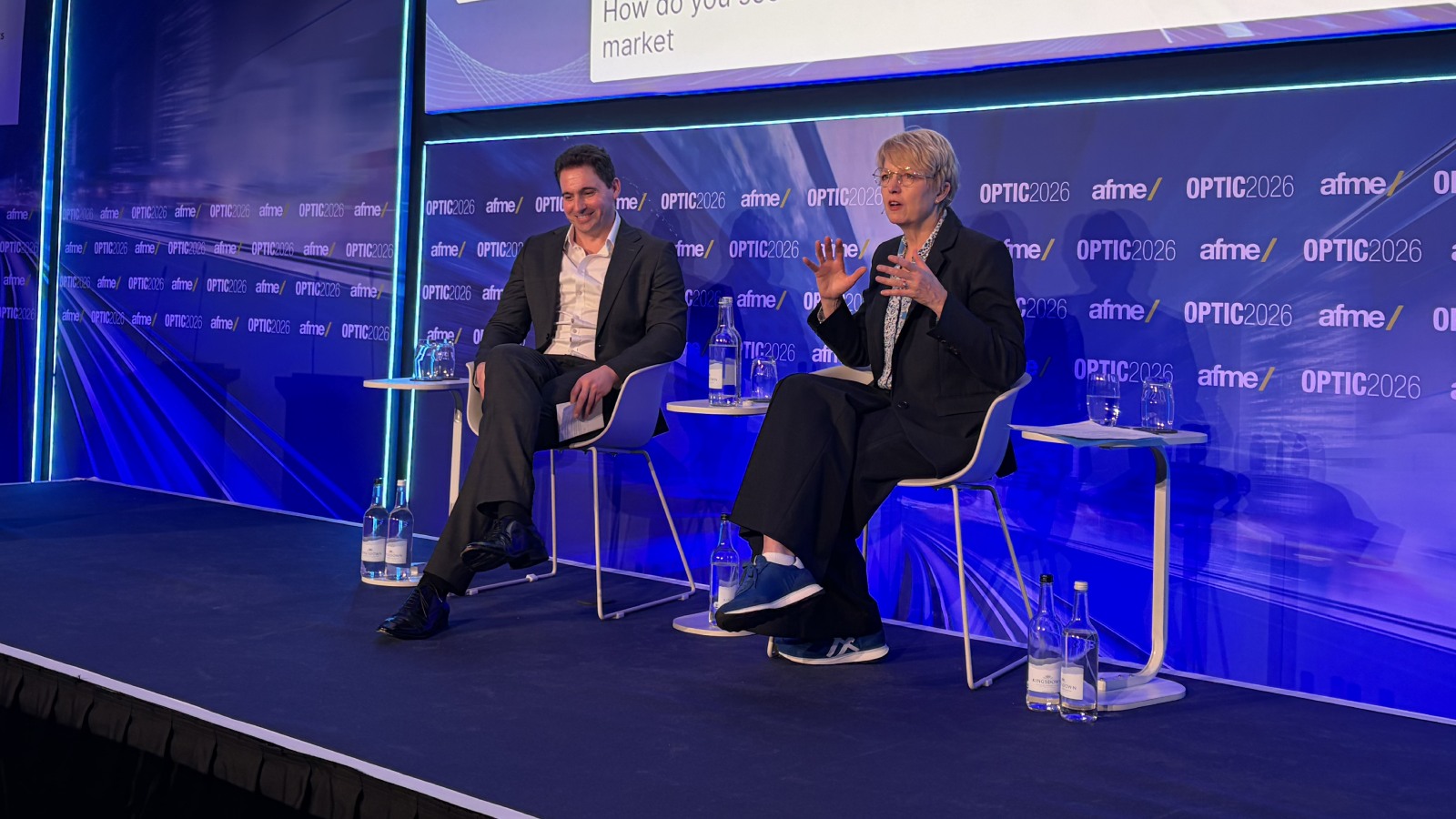
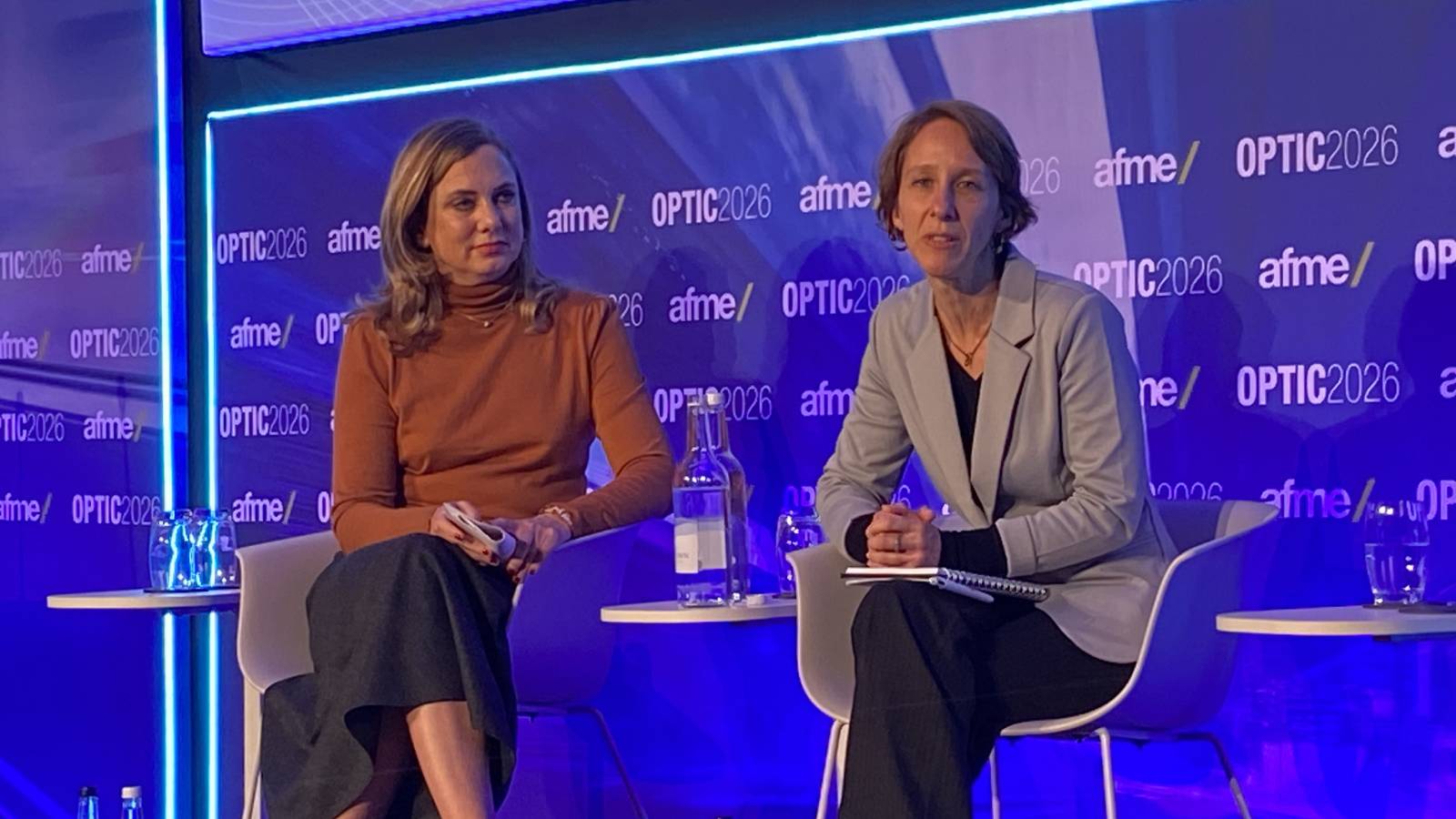


At WFE Clear 2026, Arianne Collette, head of U.S. Equities at DTCC, and Mike Hansen, chief clearing and settlement services officer at OCC, set out what post‑trade users need to understand as the industry moves toward extended hours trading.
As the infrastructures guaranteeing U.S. equity and options trades, both were clear: extended hours is a post‑trade transformation, not just a trading extension.
Collette framed the core shift directly: “What’s changing is when trades are accepted and guaranteed—not what is cleared.” Overnight activity already exists through ATSs, but most of it sits outside the clearing guarantee. DTCC’s June move to continuous overnight clearing brings that flow inside earlier, reducing counterparty exposure and aligning U.S. post‑trade processes with global trading behaviour. But she cautioned that readiness comes with weight: “Infrastructure expansion is the gating factor—and it comes with real cost.” DTCC has upgraded messaging protocols, expanded monitoring, strengthened resiliency coverage, and coordinated with exchanges, SIPs and TRFs that are redesigning their own systems and planning nightly pauses.

The shift is happening against a backdrop of thin overnight activity. U.S. equity overnight trading represents 1–2% of daily volume, less than 1% by value, and clusters around 100 CUSIPs, mostly tech names, ETFs and low‑priced securities. Activity is event‑driven—corporate news, geopolitical shocks, tariff announcements—and spikes when APAC markets reopen, as seen when Korea resumed trading. A SIFMA roundtable reinforced the point: 90% of daily activity occurs in the regular session, and of the remaining 10%, 95% happens in the pre‑ and post‑market, not overnight.
OCC sees the same pattern in index options, where overnight flow remains below 1% and tied to major events. But with exchanges preparing to extend hours for single‑name options, Hansen expects the overnight window to matter more. “Retail is driving this,” he said. “When your clients want to trade on their phone at midnight, the clearing infrastructure has to follow.”
Both infrastructures warned that corporate actions remain the biggest unresolved risk. Hansen was blunt: “Corporate actions are already complicated—extended hours make them exponentially more so.” Option adjustments depend on issuer and exchange decisions upstream, and a complex event overnight could create misalignment unless the industry standardises notification timing, halt rules, voluntary event cut‑offs and the elimination of protect periods. Collette added: “If we don’t get corporate‑action guardrails right, we will create breaks the system can’t absorb.”
For practitioners, the implications are clear. Extended hours do not change the 8 p.m. U.S. trade boundary or T+1 settlement cut‑offs, but they fundamentally change when trades enter the guarantee—and therefore when firms must be staffed, monitored and operationally ready. Technology upgrades, overnight coverage models, enhanced anomaly detection, coordination with exchanges during nightly pauses, and tighter corporate‑action workflows will all become part of the new operating baseline as the industry moves toward continuous clearing.