



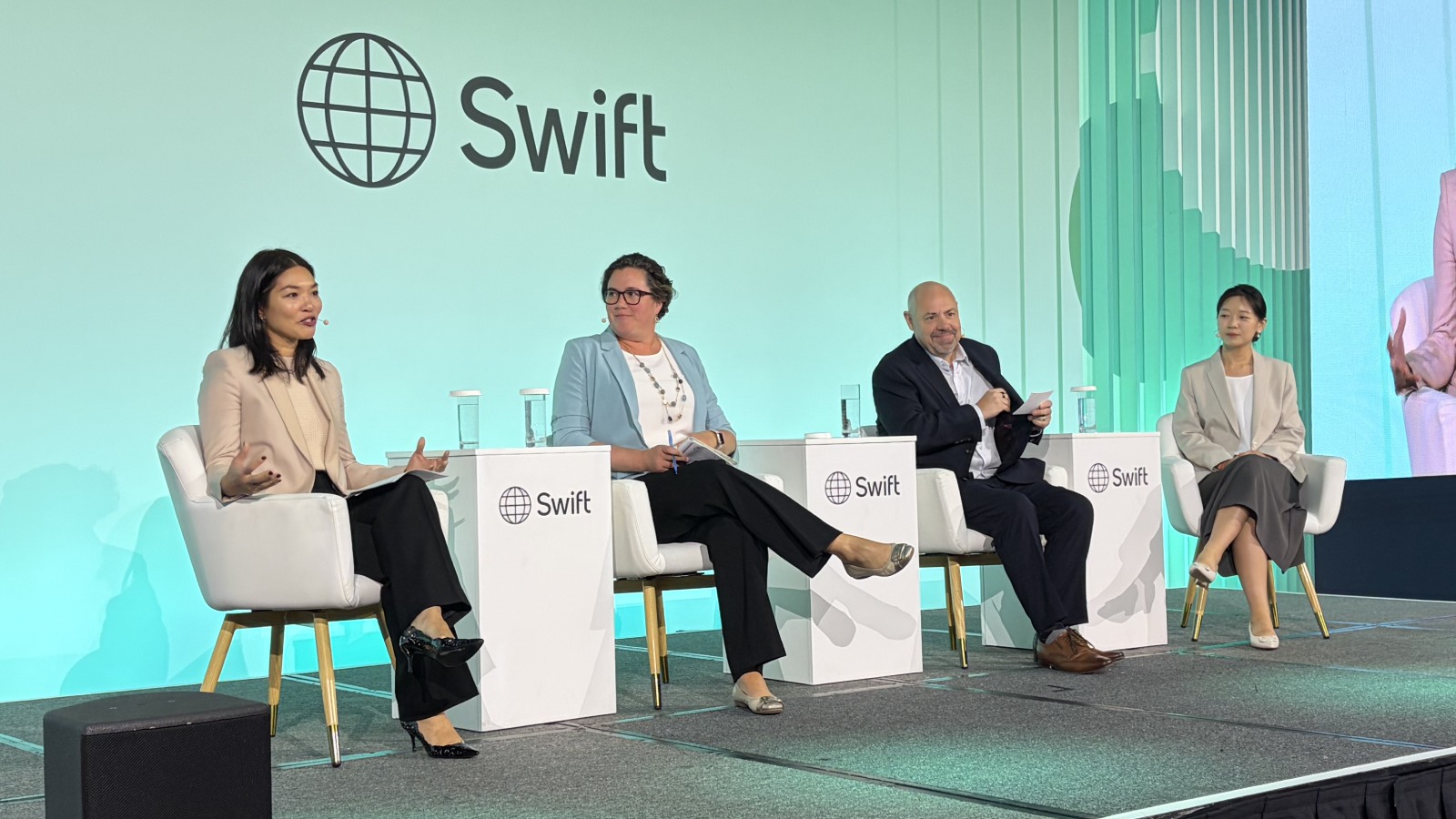






INTERVIEW | Amy Caruso, head of collateral initiatives at the International Swaps and Derivatives Association, will moderate a session at PostTrade 360° on 2 September on the operational hurdles standing between the industry and its next big unlock.
Rather than dwelling on the $340 million a year being lost in interest income through immobile collateral, ISDA’s Amy Caruso will open the session by looking at what’s already working. She points to ISDA’s latest margin survey, for year-end 2025, as a starting point for how tokenised collateral could meet the industry’s need for high-quality liquid assets.
“From an ISDA perspective, we are seeing high-quality liquid assets for both initial and variation margin continuing to rise year over year,” she says.

“In that survey, and in conversations with members, we know there is a growing need to expand eligible collateral. It doesn’t mean we want to add new collateral types, but we want to be able to use the full breadth of eligible collateral that’s already there.”
The survey also reveals growing uptake of non-cash collateral for variation margin for non-cleared derivatives – a trend ISDA asked members to explore in more depth, both on why they are moving in that direction and what obstacles they face.
Those conversations revealed that members want diversification – not only for volatile periods like the March 2020 “dash for cash” and the UK’s 2022 LDI crisis, but as business as usual. The more collateral firms have available to post and receive, Caruso says, the better it is for overall liquidity – not just for derivatives, but for repo and securities lending too.
So why isn’t more collateral being mobilised, and what would help? The challenge, says Caruso, comes from differences in how collateral schedules are defined, which can lead to disputes. The substitution process, she says, is still very cumbersome.
“Day to day, this is very email- and phone-call-intensive. Some firms don’t want to be bothered with that – they worry they might not get their collateral back quickly, or that they’ll end up over-collateralised, so they decide not to bother.”
Then there’s the added complexity of corporate actions, dividends and coupon payments, none of which are automated. This is where Caruso will tease out the benefits tokenisation can bring – and the hurdles to operationalising it. Moving collateral onto a distributed ledger, she notes, isn’t just about settlement – in fact, that’s the easiest part of collateral movement today.
“It’s the post-settlement processes – the substitutions, the record-keeping for corporate actions and dividends – where tokenised collateral can really make a difference.”
Tokenised collateral is coming, she says: “We’re moving from pilots to production – maybe not yet at scale.”
“And the legal and regulatory environment globally is definitely improving, but we still have the operational hurdles – and the panel will dive into what still needs to be done and how the industry can work through the legal aspects of tokenised collateral, including recourse and interoperability.”
That means grappling with questions like how to plan for multiple rails and multiple types of digital assets – whether digital-native, digital twin, or via a custodian or intermediary model. All of it matters, she says.
Who will this insight matter to? “Everyone,” says Caruso.
“It’s really going to make a difference if we have buy-side and sell-side – both traditional players and the new, digital-only firms – in the room together. We need everyone involved, from legacy systems and legacy workflows through to new, innovative technology.”
What’s adding impetus to the conversation? “Whether you’re a buy-side or sell-side firm, a government or a highly-rated corporate, it’s about being able to vary your eligible collateral schedules within the regulatory requirements and work with your counterparty and credit risk teams to use as much of that as possible.
“Others may want to go as far as money market funds, treasuries, ETFs, equities. There’s a whole spectrum of views on what people want to tokenise – but it’s there.”