
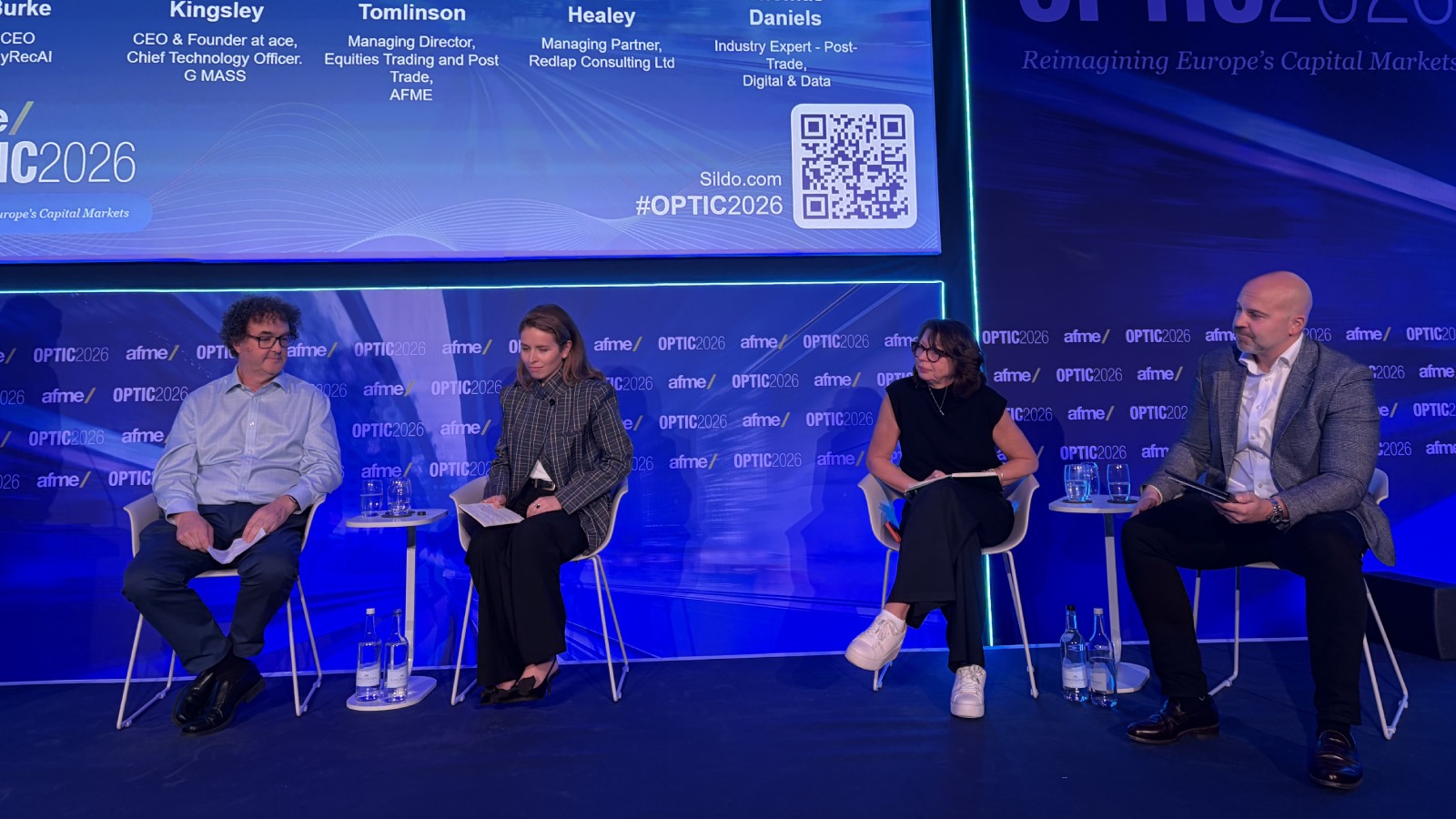

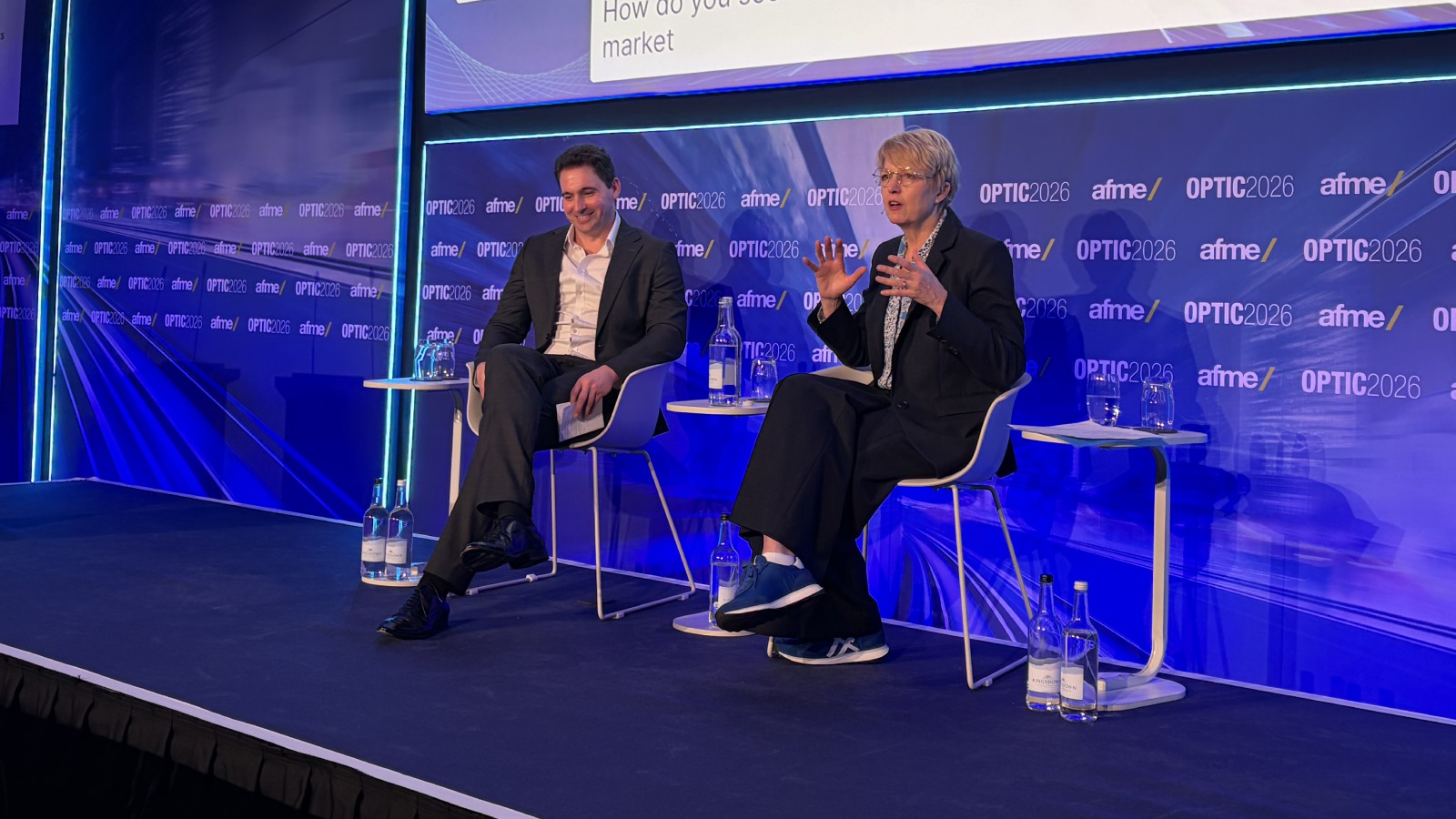
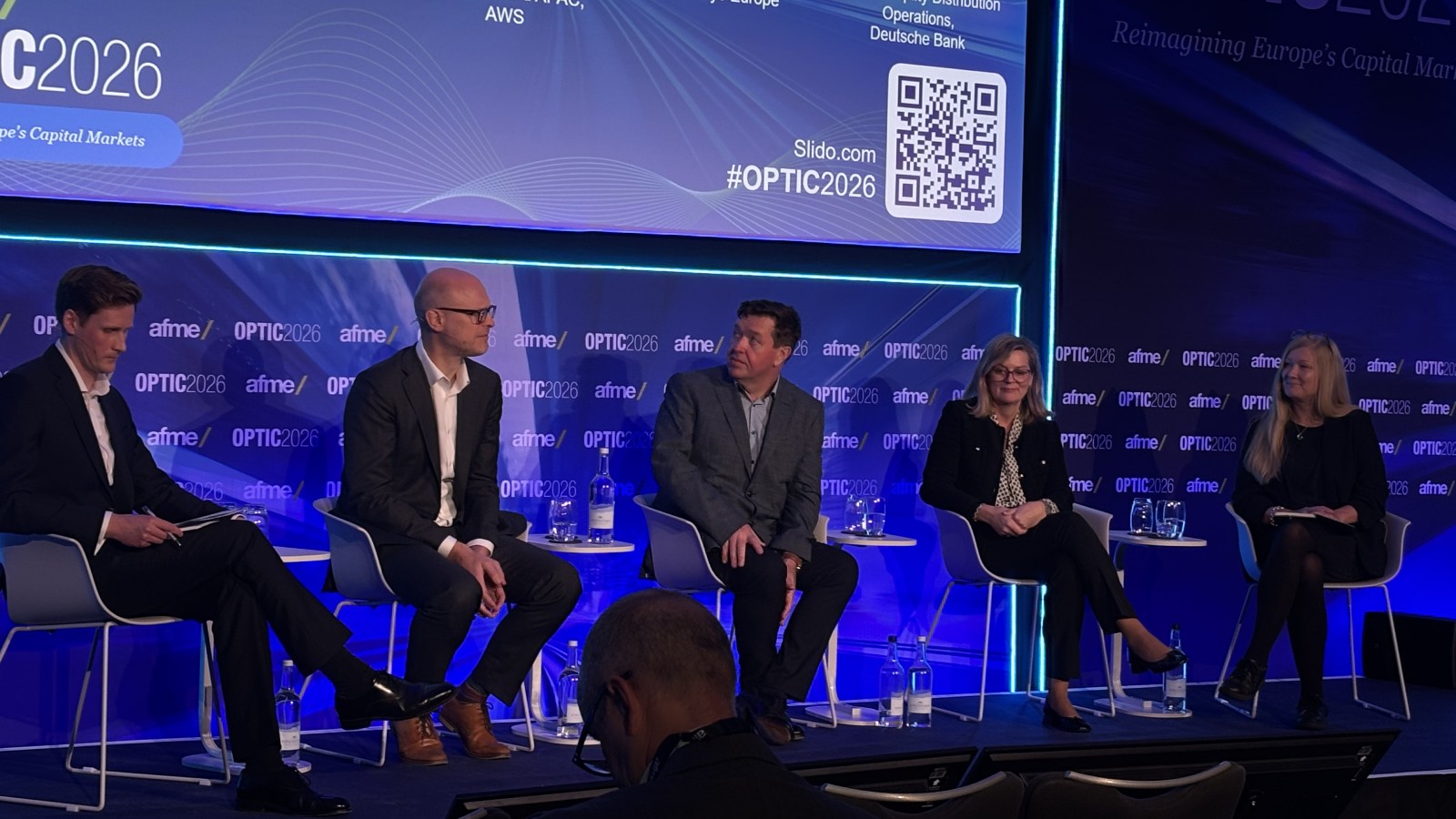
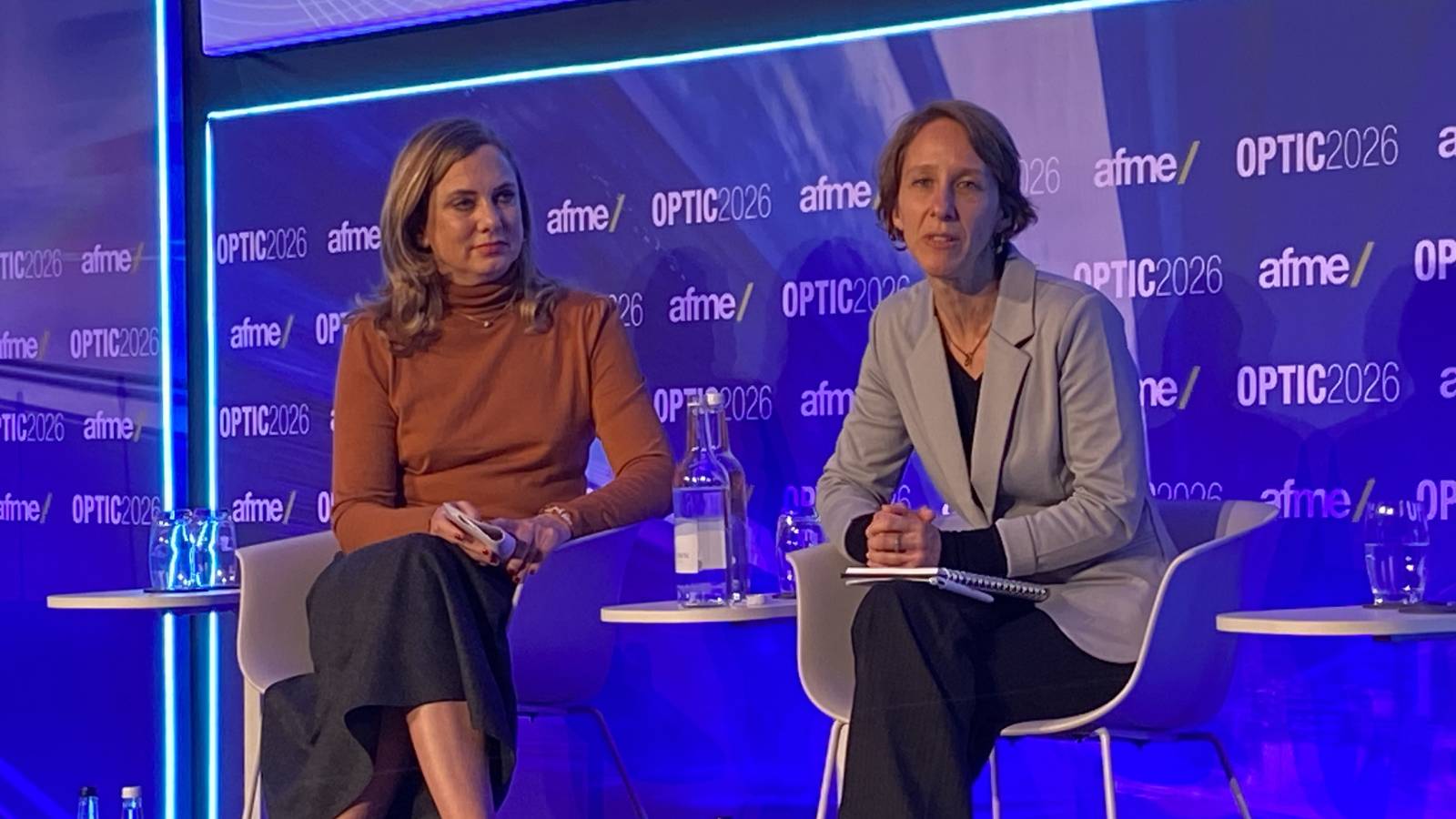
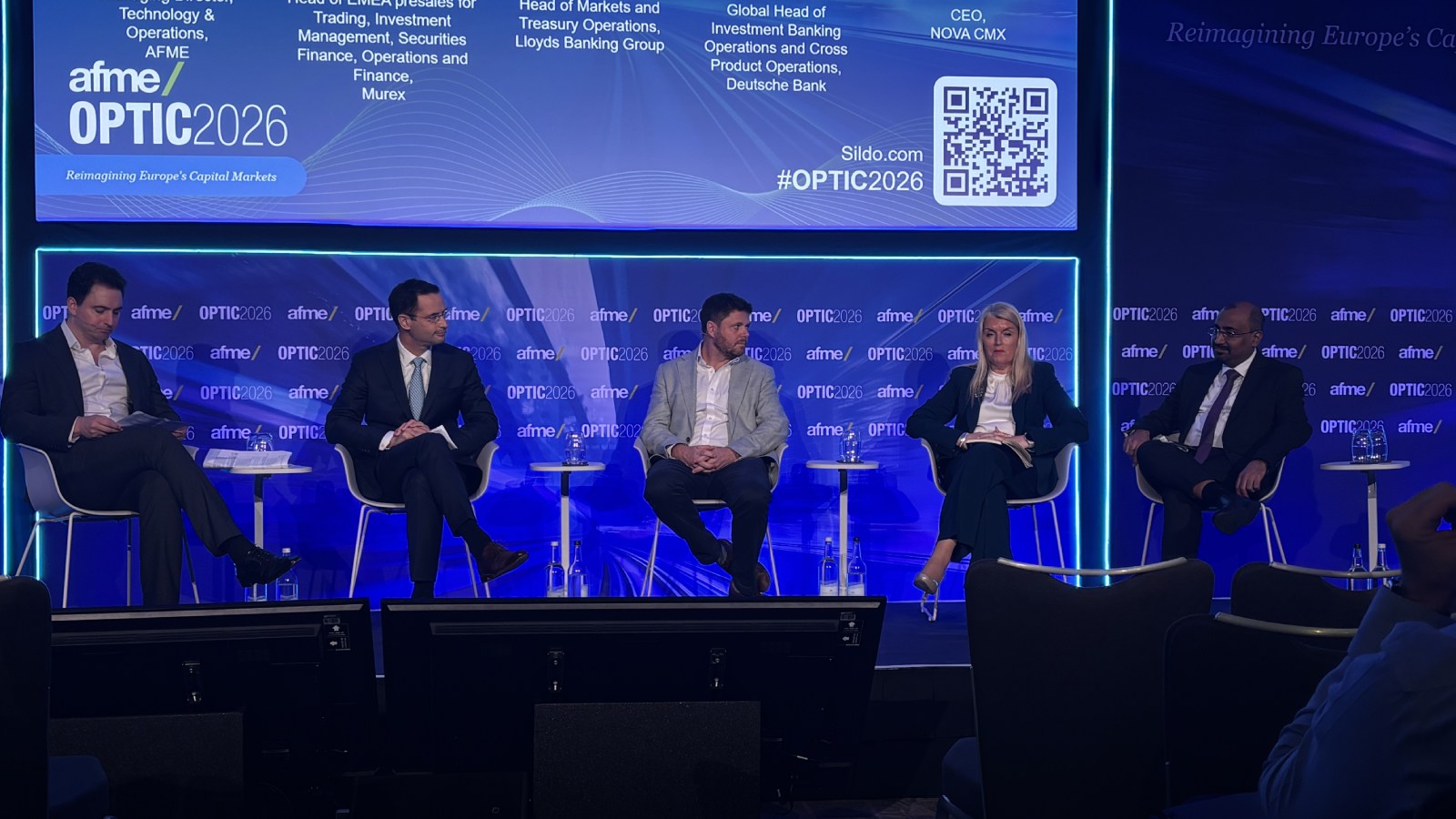


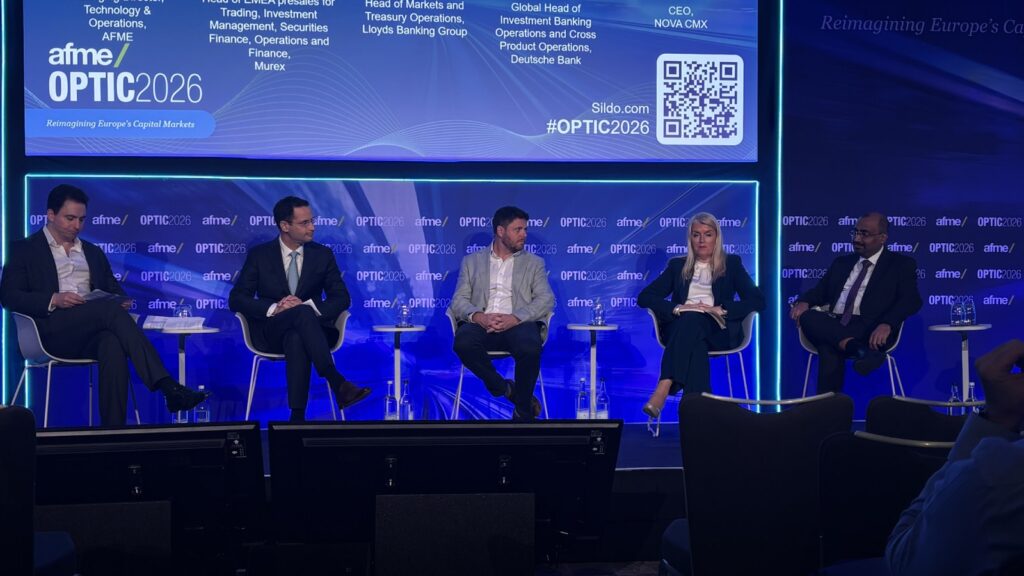
Artificial intelligence could help financial institutions anticipate settlement failures, handle unstructured data and prepare for shorter settlement cycles, but strong controls and reliable data remain essential, panellists said at OPTIC 2026 during the session Using AI to Transform Post Trade while discussing how AI could complement existing post-trade infrastructure.
Rising transaction volumes, increasingly complex financial products and shorter settlement cycles are putting pressure on post-trade processes, said Remi Lagane, Murex’s head of EMEA presales for trading, investment management, securities finance, operations and finance.
“AI is really here to go to the next level and to tackle and face processes which are non-deterministic or which are dealing with a lot of unstructured data,” he said.

For Gopala Subramanium, CEO of NOVA CMX, one of the biggest opportunities lies in identifying problems before they occur.
“How do we predict the exceptions before the exceptions really happen?” he asked, highlighting the potential value of identifying a failed settlement before it materialises.
At Deutsche Bank, AI is being applied across personal productivity, software development and core operations. Ruth McMaster, global head of investment banking operations and cross-product operations, described how applications for data matching, quality assurance and workflow management are moving beyond proofs of concept towards wider deployment.
Declan Marriott, head of markets and treasury operations at Lloyds Banking Group, highlighted the potential for AI agents to retrieve missing information from counterparties and support interactions between institutions. He also stressed that AI should complement existing deterministic processing rather than replace it.
Governance and people remain central
For Lagane, assessing AI requires more than demonstrating that a model works. Firms must establish whether it improves straight-through processing rates and whether the gains justify the cost of the model compared with alternative approaches.
McMaster said Deutsche Bank was taking a cautious approach, with extensive testing and governance before rolling out solutions. She also emphasised that AI would change how people work, rather than eliminate the need for operational expertise.
“You’ll still need the same skills, in terms of understanding data, understanding trade flow, understanding how to fix problems, how to speak to clients,” she said.
The panellists also discussed AI’s role in preparing for Europe’s move to T+1 settlement in October 2027. While AI could help identify root causes of settlement failures and anticipate problems, Marriott cautioned against expecting a complete solution from the technology alone.
“It’s not a panacea. In T+1, we need those core systems and processes to work,” he said.
The discussion underscored a shared conclusion: AI can improve efficiency and support better decisions, but reliable data, effective controls and human accountability remain essential.