

The Eurosystem’s tokenised central bank money is now live. But putting a tokenised settlement asset in place is only the first step towards tokenised European markets, according to Audrey Metzger, director of innovation and financial markets infrastructures at the Banque de France.
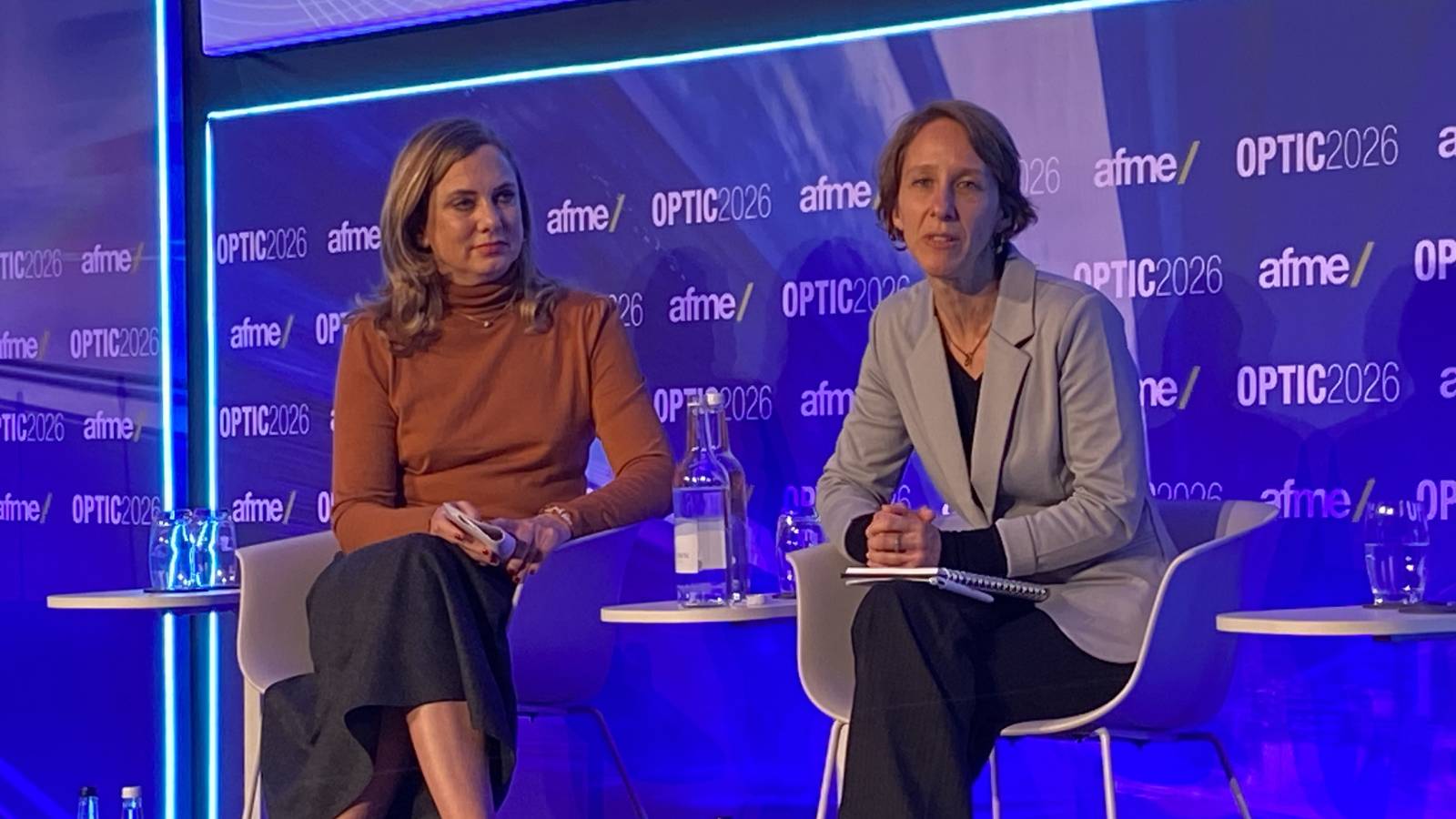
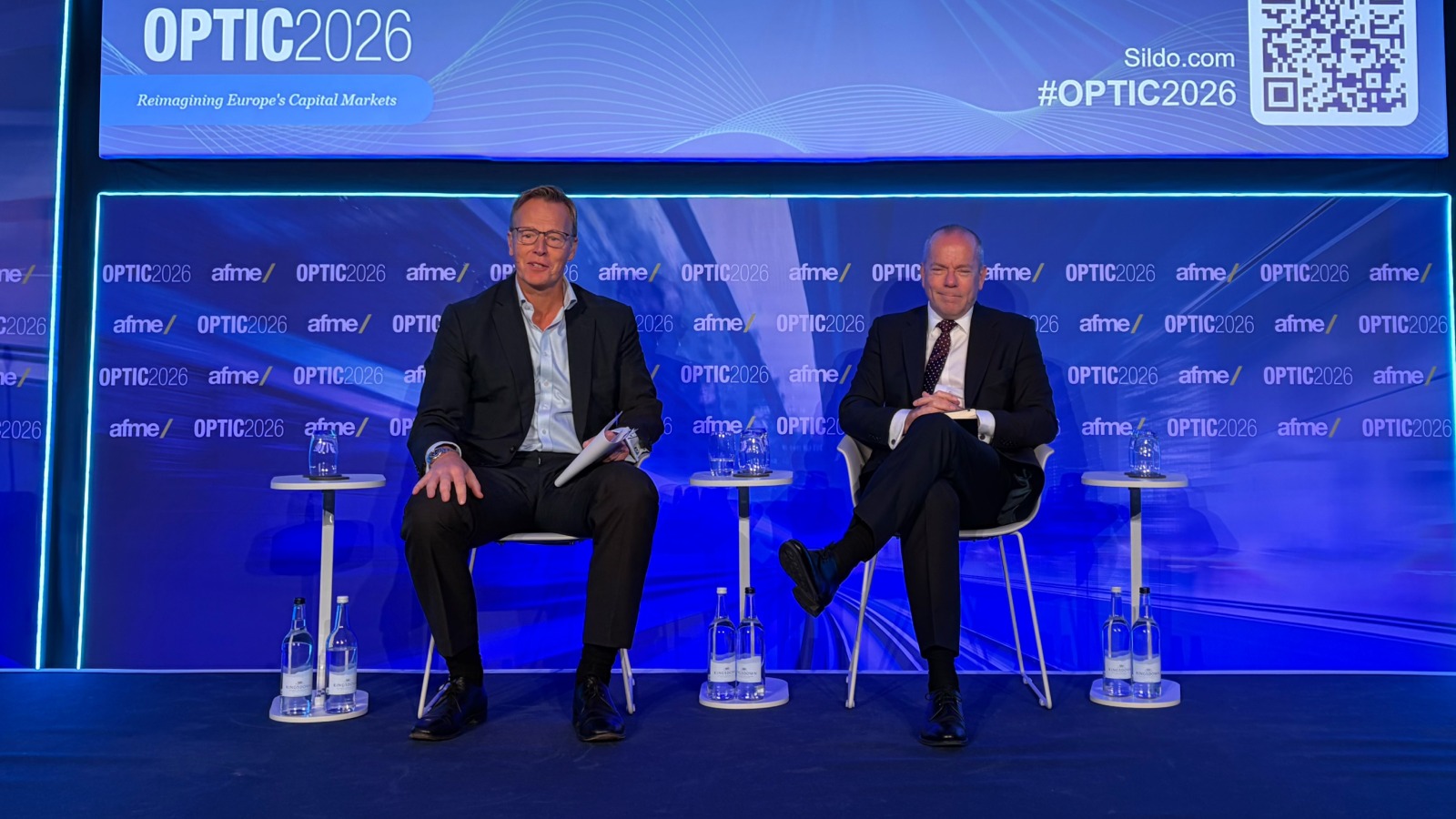
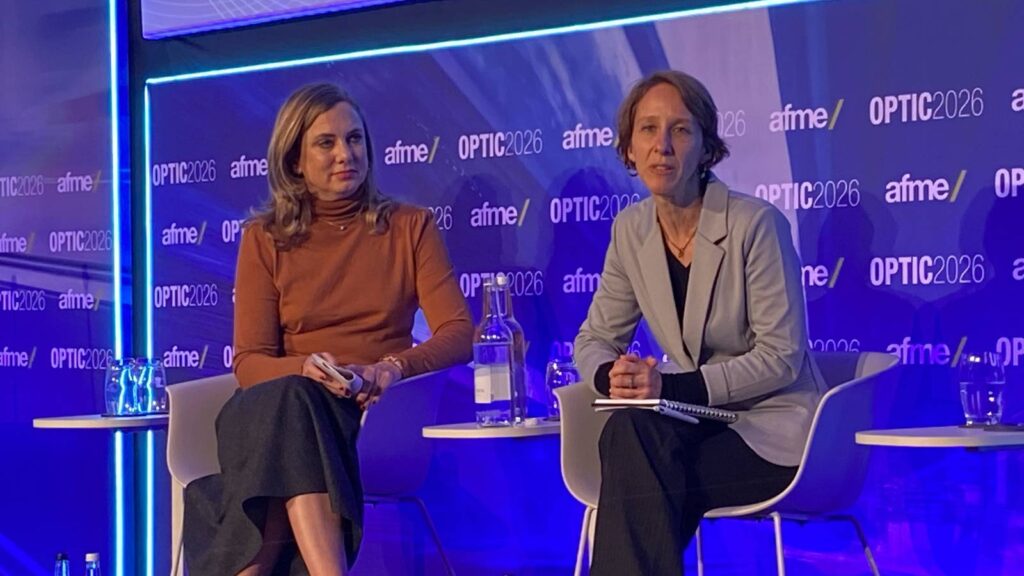
Speaking in a fireside chat moderated by Sabine Dittrich, head of government and regulatory policy and relations, Europe, at Barclays, which closed AFME’s Optic 2026 conference, Metzger said the market had made its view clear during the Eurosystem’s 2024 exploratory work, which involved more than 60 participants. “The main lesson was a call from private actors for… providing, as central banks, a tokenised form of central bank money,” she said. “If we want tokenisation to scale, we definitely need to have a tokenised form of central bank money.”
That came with Pontes, which went live about a month ago. Any market participant can now settle tokenised securities in central bank money. Pontes will develop further towards 2028, which she called “the first milestone”, with 24/7 operation and further efficiency gains as goals. “But it will not be the end of the story,” Metzger said.

Appia: a coordinated move
That next phase falls to Appia, the Eurosystem’s longer-term initiative. Metzger described it as a way to “show the way towards, at the end, possibly fully tokenised financial markets.”
“It will not be sufficient to have the tokenised form of central bank money,” she said. “We also need a common or coordinated move from the different actors, private and public, towards tokenised organisation of financial markets.” The aims are to make European markets more integrated, keep them sovereign, cut costs and improve financing for the real economy. She tied this to the Draghi agenda.
Appia is coordinated by the Eurosystem and the ECB. It also has a market contact group of private-sector firms, and Metzger expects specific experiments to be run with them. The point is to make sure “what the Eurosystem is developing is also fulfilling the private actors’ needs.”
Pythagore: commercial paper at scale
In France, the Banque de France is working with Euroclear France on Pythagore, a project to fully tokenise the euro-denominated NEU CP commercial paper market. That market has around €300 billion outstanding. Metzger said its short maturities, uniform instruments and well-known participants make it “a very good candidate to be tokenised at scale.”
The project launches in December. Tokenised commercial paper will be issued on Euroclear’s D-FMI platform and settled in central bank money through an interoperability link to the Eurosystem’s platform. Metzger called it “a very concrete example of how central bank money in tokenised form could be used… at scale.”
The Banque de France and other French authorities are also helping private firms identify the initiatives most likely to help tokenisation scale. A short summary of that work is due within weeks. Metzger said the aim is for such initiatives to become European “immediately” so they don’t split along national borders.
Coexistence, not replacement
Metzger said legacy and tokenised infrastructure will coexist “for a certain number of years.” Appia aims to build tokenised markets “without putting aside what has already been done during 50 years or more.” She added that Pythagore is already exposing where friction remains between the two models.
On the international side, she pointed to BIS Innovation Hub projects. Project Agorá aims to modernise correspondent banking and involves eight currency areas and more than 40 private banks. Project Mandala, with the Singapore hub, explores building cross-border compliance rules into smart contracts.
Asked when legacy markets might be switched off, Metzger compared it with the move away from paper securities. That shift took a long time, and “I’m not sure it’s totally over everywhere,” she said. “It will depend on where it is more efficient to stick to the legacy world and where it is more efficient to move towards the tokenised world.”