











The EU, UK and Switzerland have published a joint Testing and Readiness Plan for the move to T+1 settlement, setting out how market participants should prepare for the October 2027 transition.
The plan, issued by the EU T+1 Industry Committee, the UK Accelerated Settlement Taskforce and the Swiss Securities Post Trade Council, is the first coordinated testing framework across the three markets. It follows the creation of a joint workstream in December 2025 and reflects what the authors describe as a “high degree of cross market participation” across the region.
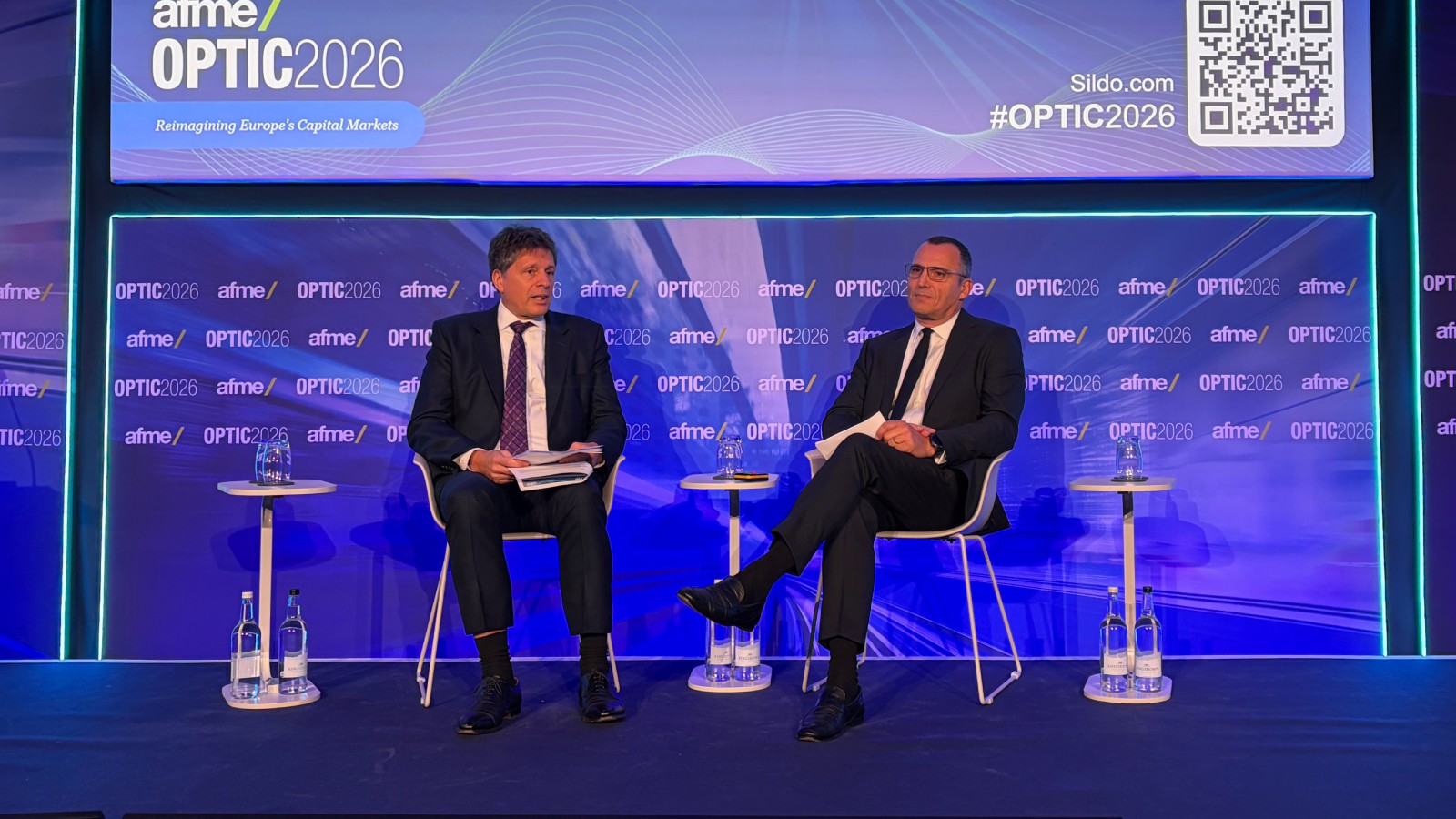
Giovanni Sabatini, chair of the EU committee, describes the move as “not merely a technical upgrade”, but part of a broader effort to reduce friction in European capital markets. “We are building a bridge, and this Testing Plan is a critical part of it,” he says. The plan is designed to support firms’ internal assessments of the changes being implemented and what actually needs to be tested.

Testing to start ahead of 2027
The plan stresses that preparation should already be underway. “A large part of testing can start now,” the report states, pointing to existing test environments that firms can use as part of business-as-usual activity.
The industry is expected to focus on readiness during 2026, with 2027 dedicated to testing the full transaction lifecycle under T+1 conditions. Five coordinated testing windows are planned during 2027, alongside ongoing bilateral and internal testing.
Andrew Douglas, chair of the UK taskforce, says that they have collaborated with the EU on the launch and implementation of the testing of the framework as requested by industry participants. “It will help firms to design and execute their own test plan for individual solution components as well as full end-to-end testing. It also clearly shows that testing of the individual components can start now, allowing plenty of time to guarantee a smooth transition to T+1 by October 2027.”
Compression of the post-trade cycle
The move to T+1 will leave firms with “approximately 20% of the currently available processing time” compared to T+2, requiring changes across the entire post-trade chain. Charlie Pugh and Ivan Nicora, co chairs of the T+1 Taskforce representing the UK and Europe respectively at Euroclear commented: “T+1 is not just about optimising existing processes, some need to be completely reshaped. This framework published today is an essential tool for market-wide testing to begin, and many financial market infrastructures already offer test environments so there’s no need to delay.”
The plan highlights automation as a key factor, alongside the need for firms to align with counterparties and service providers. It also points to the importance of moving away from batch processing towards intraday or real-time workflows.
Focus on metrics and risk reduction
Beyond testing, the framework places emphasis on “de-risking” the transition through internal analysis. Firms are expected to assess metrics such as allocation and confirmation timing, settlement instruction submission, matching rates and settlement efficiency.
The report also references lessons from the US transition, noting the need to improve pre-settlement processes to avoid increased settlement fails.
Impact
The document sets out testing considerations across multiple trade flows, including on-exchange, OTC, securities lending, repo and FX. It notes that some areas, such as repo and securities lending, will require specific attention due to their reliance on liquidity and inventory management.
In the EU, additional changes such as a new operational day and a settlement optimisation “gating event” will also need to be tested ahead of go-live.
Florentin Soliva, chair of the Swiss taskforce, says the joint plan reflects the integration of European markets, adding that “a coordinated approach is the only approach that makes sense.”