

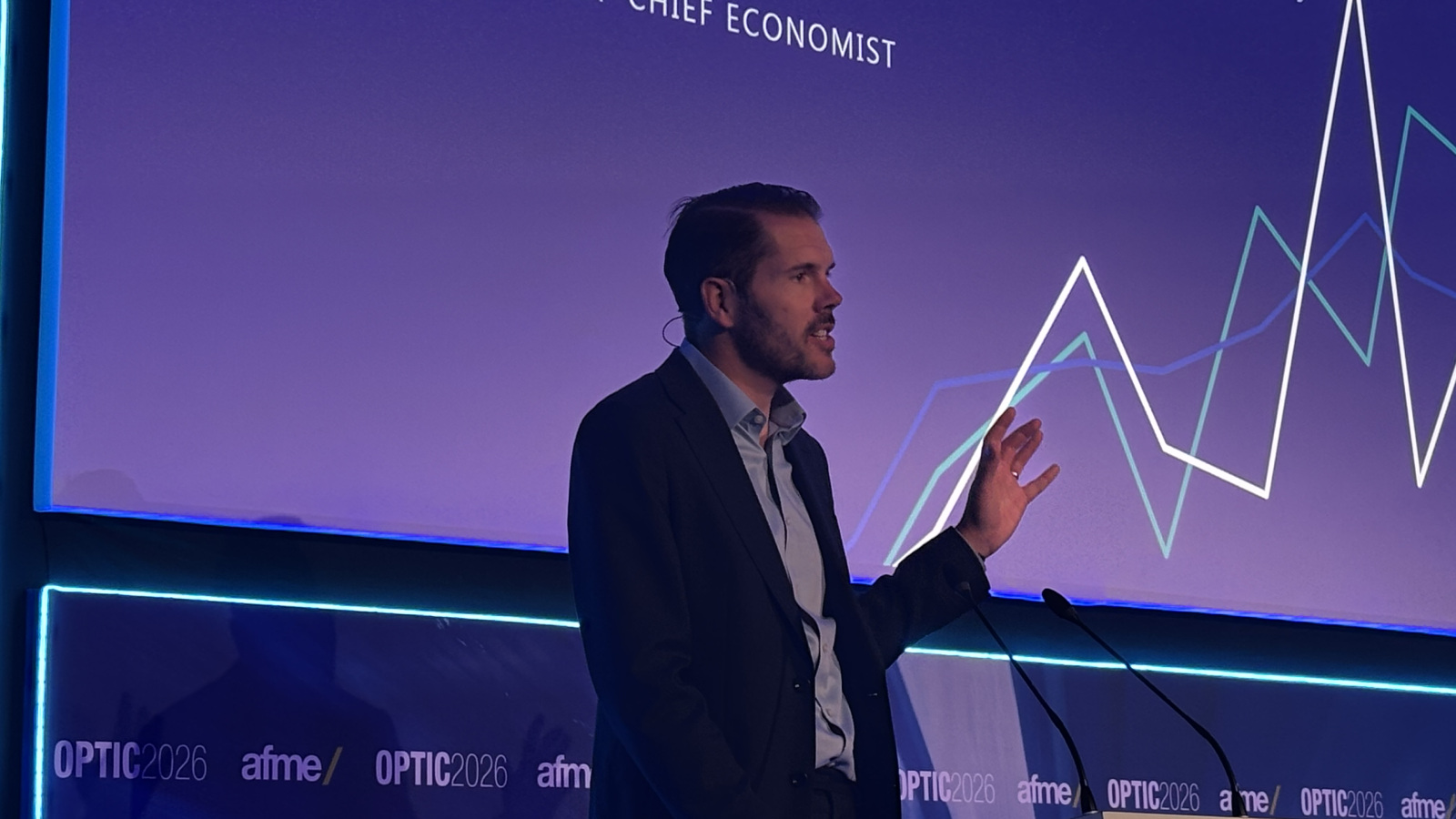









Crypto exchanges and other new digital trading platforms are pushing the operational boundaries of traditional financial market infrastructures. Clearinghouses are increasingly asking themselves how they can monitor clients and markets – and file calls for additional money as “margin” – far outside traditional office hours. A panel in the WFEClear conference in Seoul looked into it on Wednesday.
Our coverage of WFEClear 2025 is gathered here.
With growing trading volumes on platforms that offer long opening hours, how do you operate a clearinghouse to take out the counterparty risks?

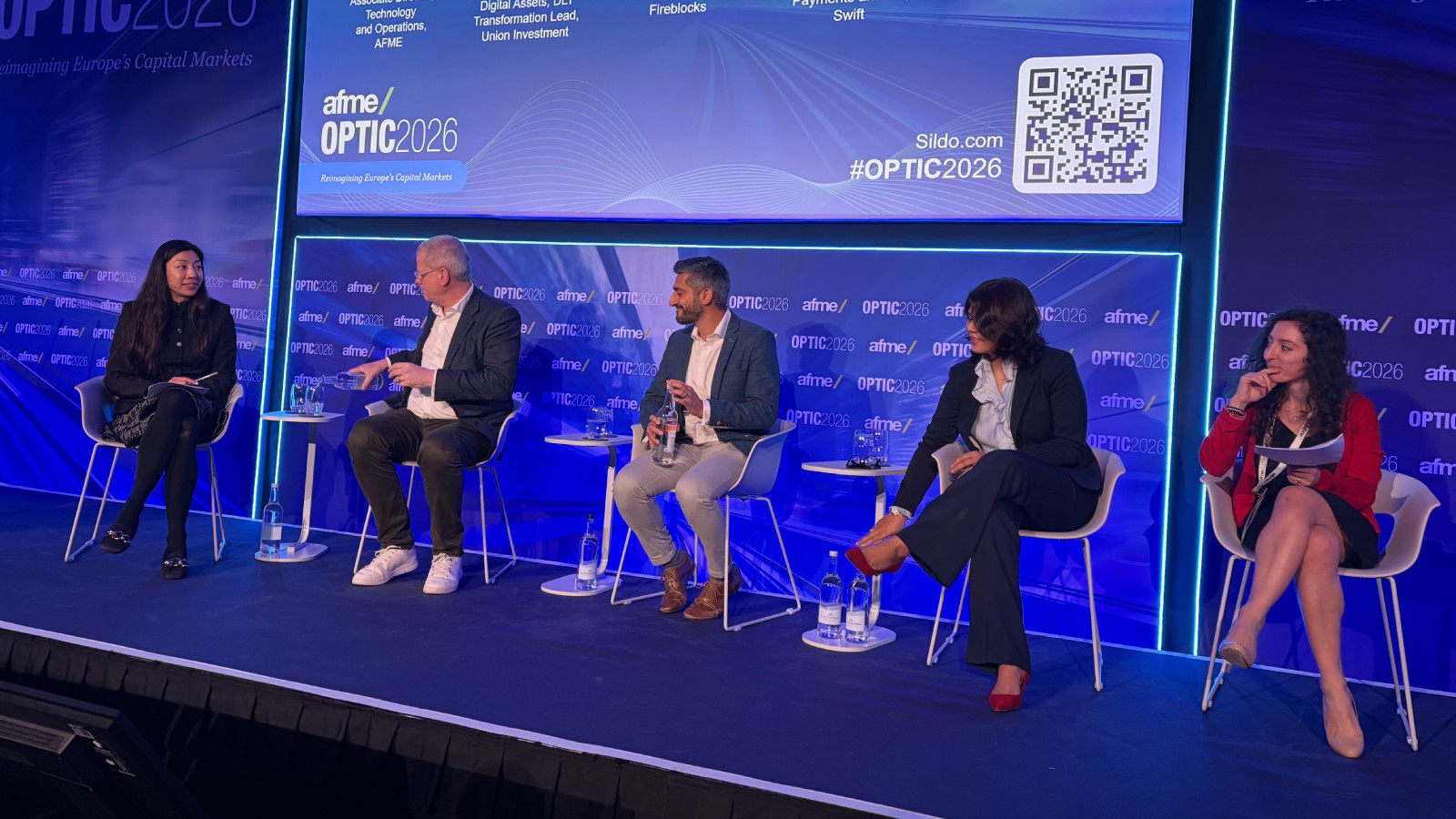
Wednesday afternoon saw the questions discussed by a panel featuring …
Viacheslav Fradin, Chief Risk Officer of the Tel-Aviv Stock Exchange,
Olivier Léon, Chief Risk Officer, TMX Post-Trade Services,
Pataravasee Suvarnsorn, Head of Operation Management Division, Thailand Clearing House, The Stock Exchange of Thailand (SET), and
Huan Zhang, Chief Risk Officer, Nodal Clear,
under moderation by Nasdaq’s Head of Post Trade Product Strategy Gerard Smith.
Viacheslav Fradin described how moves to anything near 24/7 activity would bring big challenges. It is hard to keep people at work to manage unexpected events in the night, he pointed out.
“Maybe we have to run several systems in parallel, and have different rulebooks.”
One idea discussed was that operations in the day could run with traditional CCP margin calls, while night time transactions could be protected instead by a higher level of “overcollateralisation”, or even pre-funding.
Olivier Léon could describe the shift towards longer operation hours within his group, TMX, which includes the Toronto Stock Exchange. Current operations on its derivatives exchange cover about 20 of the 24 hours in a normal weekday. “One requirement for our system was that margin calls should be able to make at night,” he said. The possibility to manage such calls through the small hours is supported by openness for margin top-up payments in four foreign currencies.
Pataravasee Suvarnsorn did not see a strict need for default capabilities through the off hours.
“To declare default of a member we could wait until the next morning,” she said, pointing to dangers of being too hot on the trigger. “If the member is a member of many CCPs, we can trigger chain reactions.”
Huan Zhang agreed, describing member defaults as a somewhat gradual process rather than just black-and-white.