


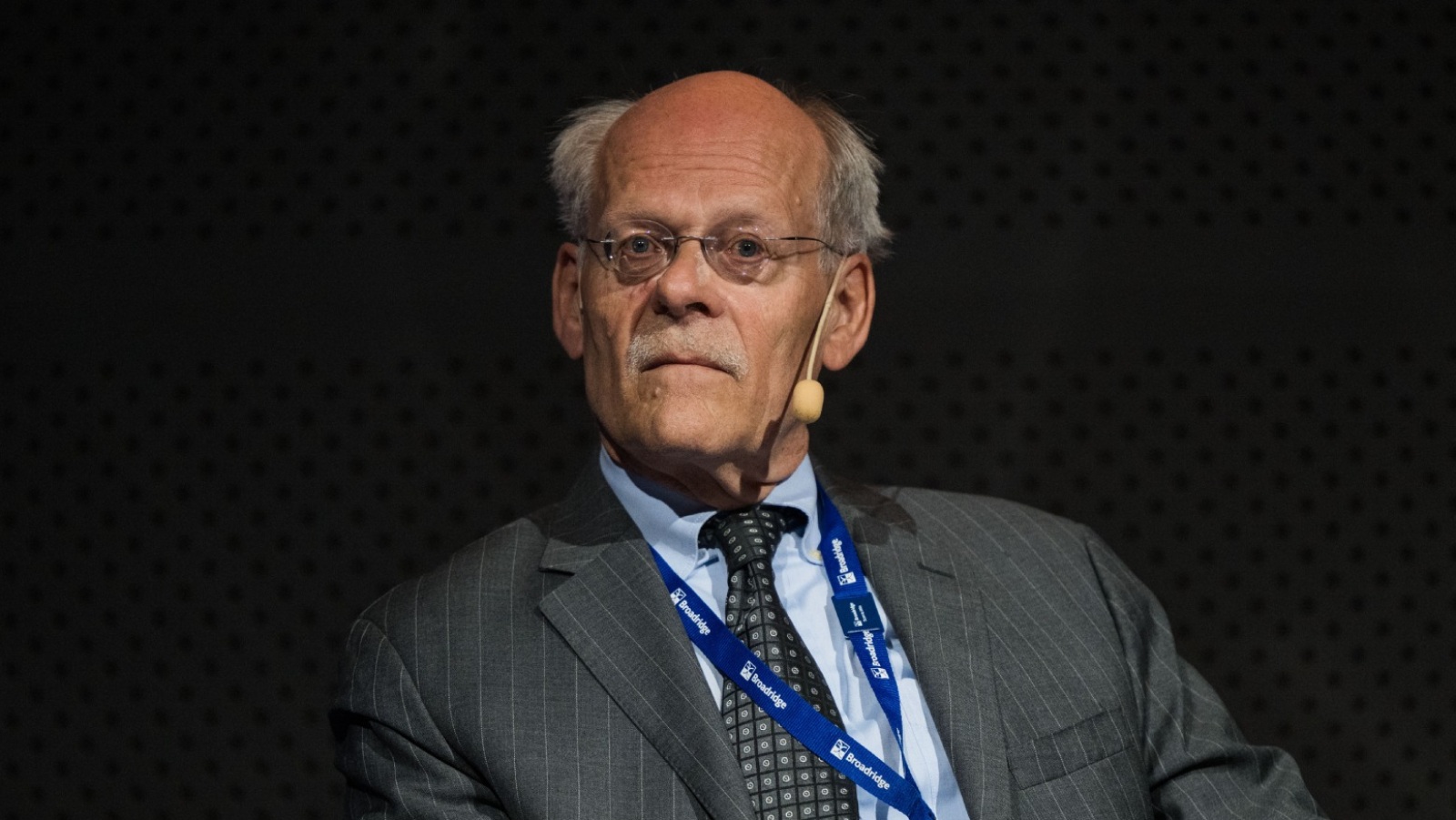









Transitioning to a T+1 settlement cycle may represent one of the most significant collaborative opportunities the post-trade ecosystem has seen in years. At the recent ECSDA Post-trade Conference 2025, six industry leaders took to the stage in the panel titled “The path to T+1 settlement in Europe” to discuss the progress made and the challenges that remain in this shift.
This article is an in-depth follow-up of an earlier sneak peek published on the day of the conference. Read the early coverage here.
Kathy Waldie, director, head of Target Service Governance at Clearstream wants to see the shift to T+1 positively – it’s not just an undertaking that affects CSDs but should be seen as an opportunity for the entire industry to unite.
“We have here a will for collective action; we have everyone sitting around the table in a way that has not been seen for a long time,” she enthuses. “That means we are able to collectively tackle some of the inefficiencies and frictions that have been bugging us for years.”
Follow the format
For Waldie, a key issue in focus are settlement instructions (SIs) received at the CSD level. She noted that despite progress, the number of exceptions in SIs “are still more than there should be”, particularly in more complex cross-border flows outside the TARGET2-Securities (T2S) system.
She pointed to the diversity of formats used in different CSDs and the complications of navigating them. Encouragingly, she highlighted the strong cooperation with industry groups: “There’s a recommendation on the consistent use of PSET (place of settlement) and PSAF (place of safekeeping)… AFME (Association for Financial Markets in Europe) has also agreed to incorporate those recommendations into a paper that it’s working on. These are great examples of cooperation – as well as with the FMSB (Financial Markets Standards Board) on SSI (standard settlement instruction) standards.”
Gareth Jones, head of Product Management, Settlement at Euroclear, agreed with Waldie. “We see that there’s a lot of inefficiency upstream from CSDs. 15 to 25 per cent of settlement fails actually are as a result of counterparties failing to get matched instructions into CSDs in time to settle. Therefore, maybe another 25 per cent of settlement fails are a knock-on, indirect consequence of that,” he shares. “We (Euroclear) are putting a lot of effort into helping clients upstream of us get their settlement instructions into our systems on trade date.”
Get the message
For Juliette Kennel, global head of Standards at Swift, the challenge of T+1 transition lies in achieving consistent adoption and harmonised usage of messaging standards. “All the messages that we need when we go live are available… But the one thing I think we do need to focus on is making sure we have the right market practices to support the implementation of those messages because that tends to be when this industry falls down… The messages aren’t enough. We need to know how to use them. And if we want to be faster, then we all need to follow the same rules.”
Show up
Thomas Metier, T+1 Settlement Migration Programme executive at Euronext is concerned that industry preparedness is uneven. He identified three distinct groups with different levels of awareness.
The “usual suspects” form the first group – firms deeply engaged from day one and already well into implementation. The second group is engaged but moving more slowly, tracking developments and beginning to prepare.
The third group is the one he is most worried about. “There is a population that’s not in the room… I get feedback that they are not very aware of what T+1 is and what the requirements are.”
Indeed, the success of Europe’s T+1 transition looks like it will depend on everyone showing up and collaborating. Kennel puts it succinctly, “The juggle’s going to be in the details because it’s not until we all do things the same way that we’re going to achieve the levels of efficiency that we’re looking for.”
The ECSDA Post-trade Conference 2025, held on 18 November 2025, is hosted by the European Central Securities Depositories Association (ECSDA). Follow our coverage in the coming days on the site.
