
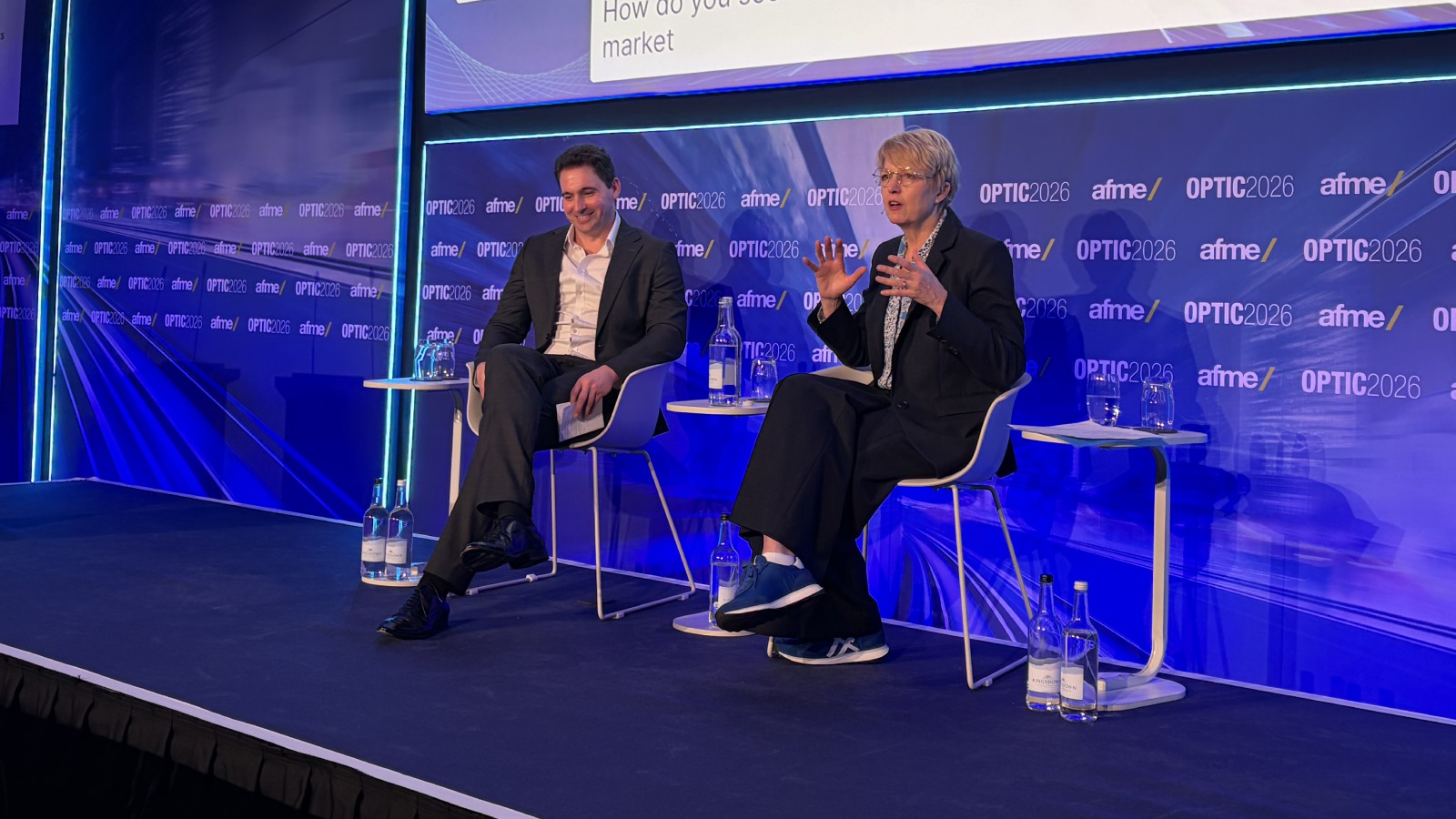
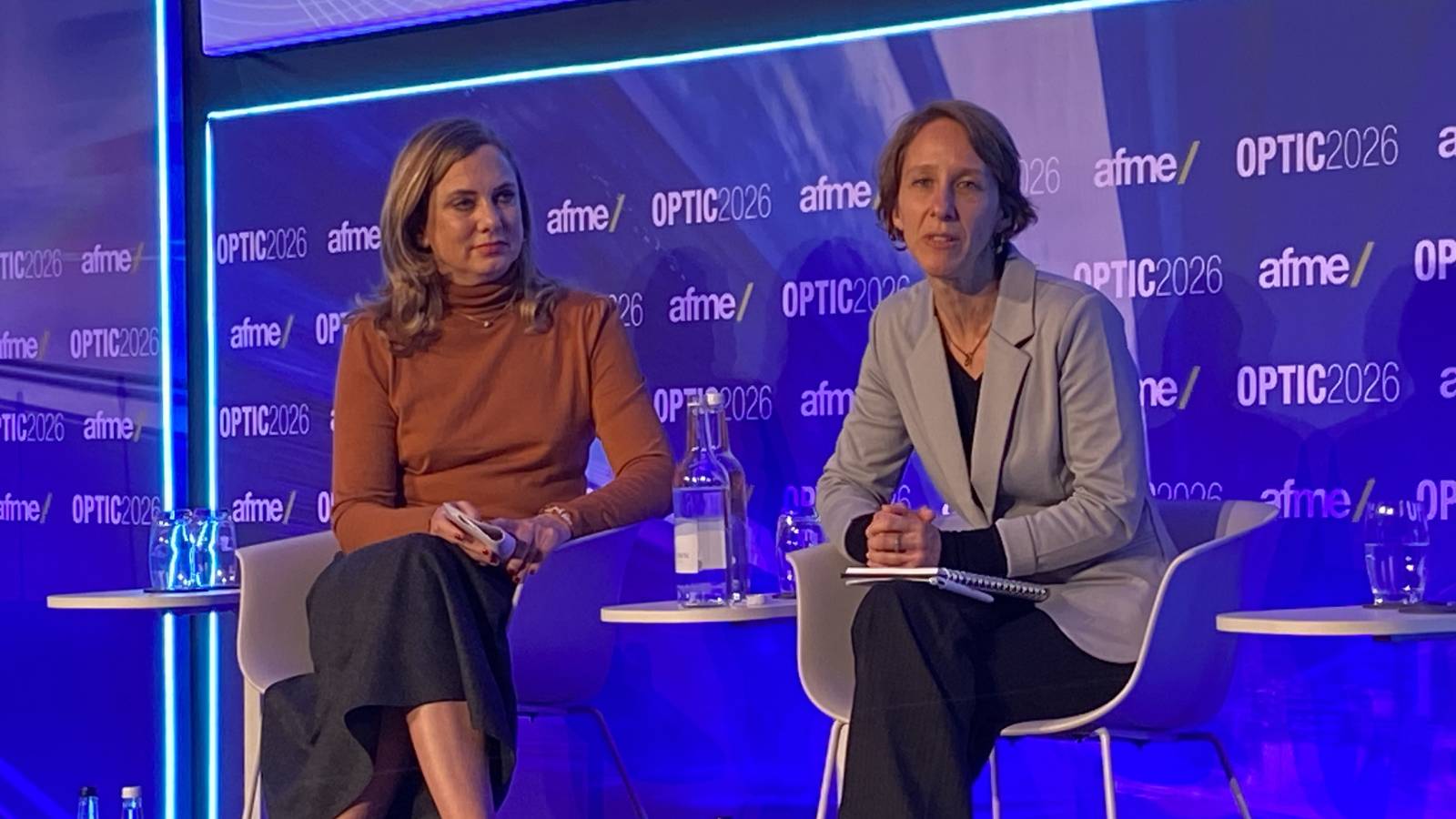
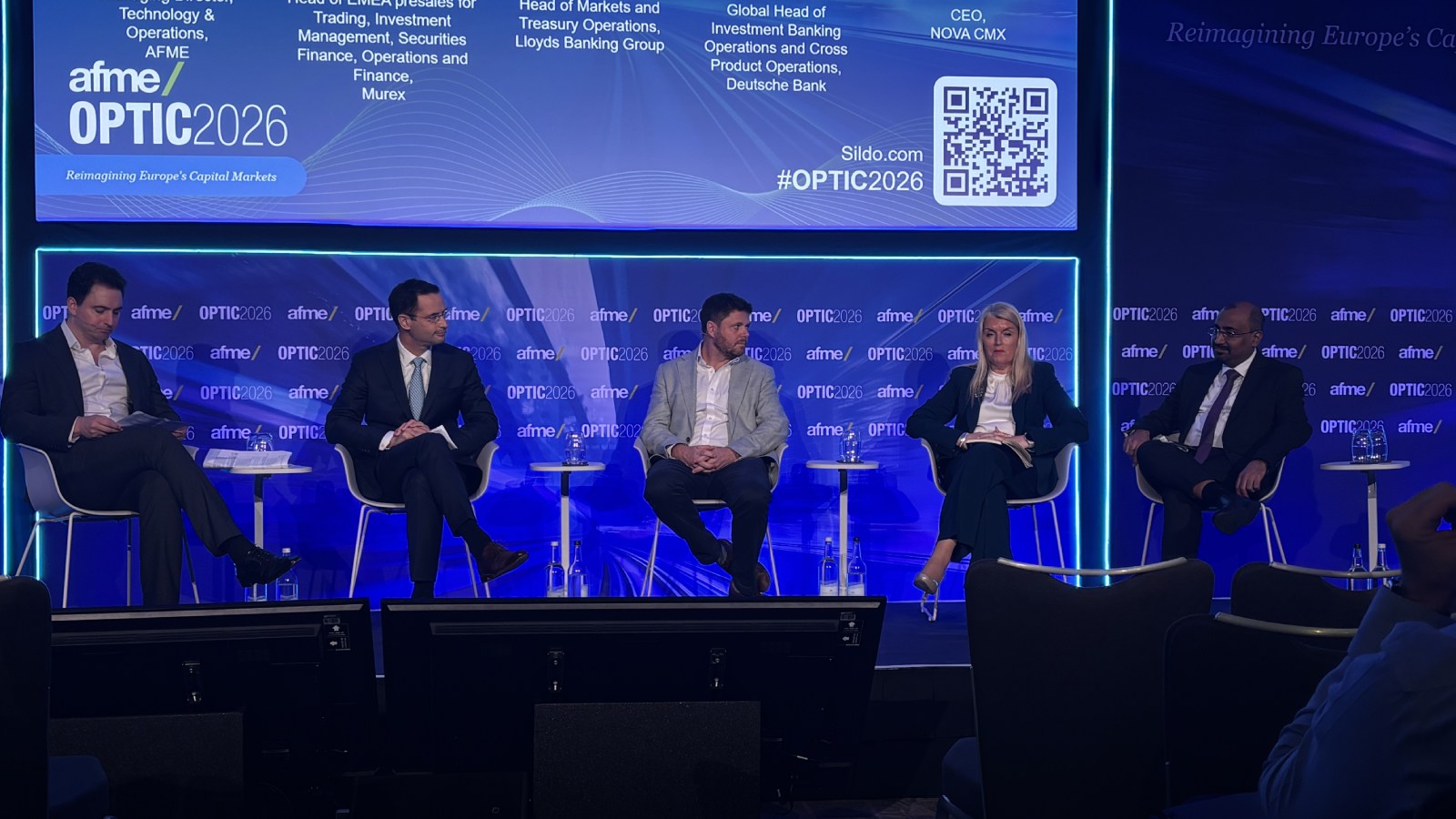
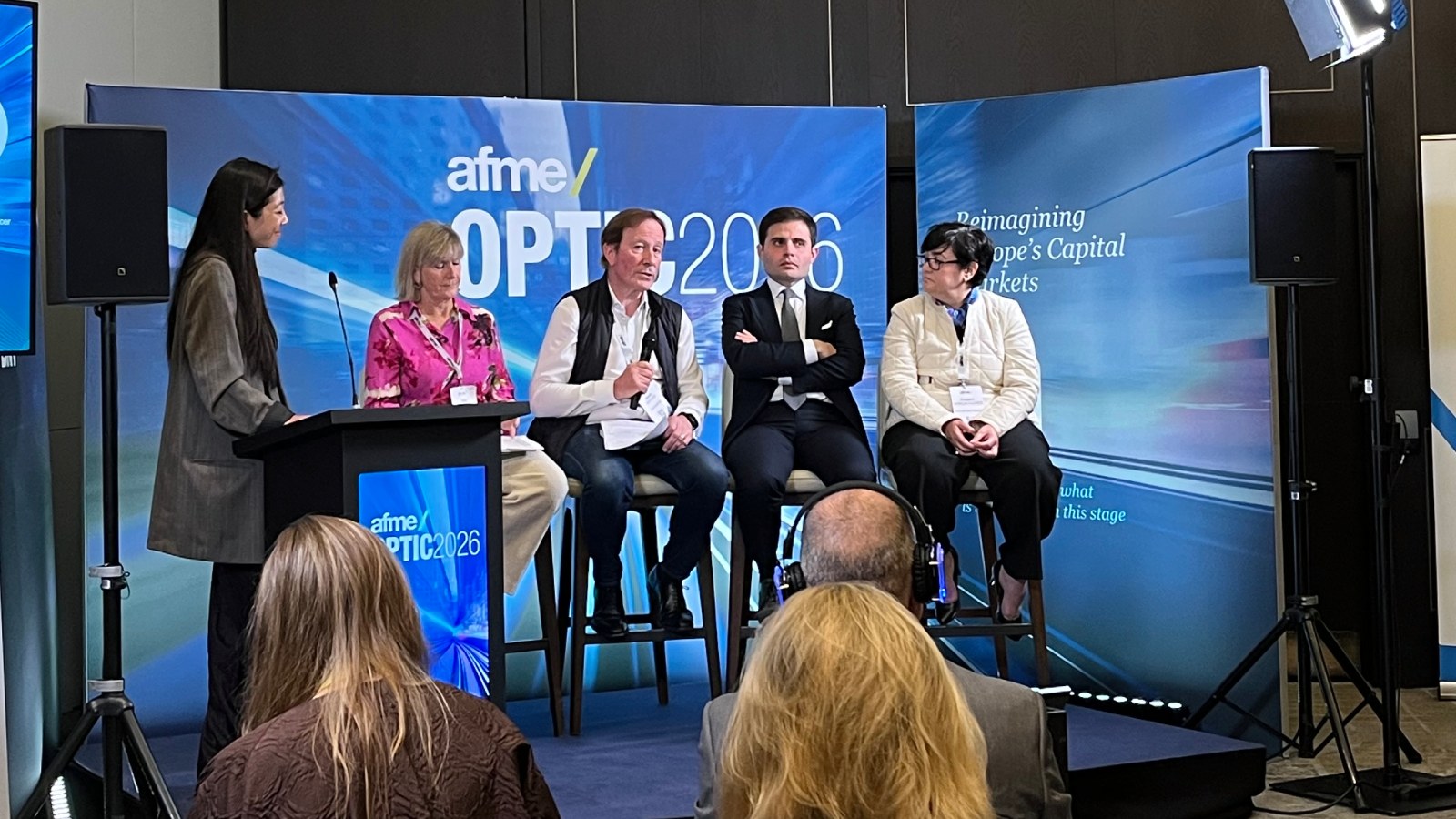
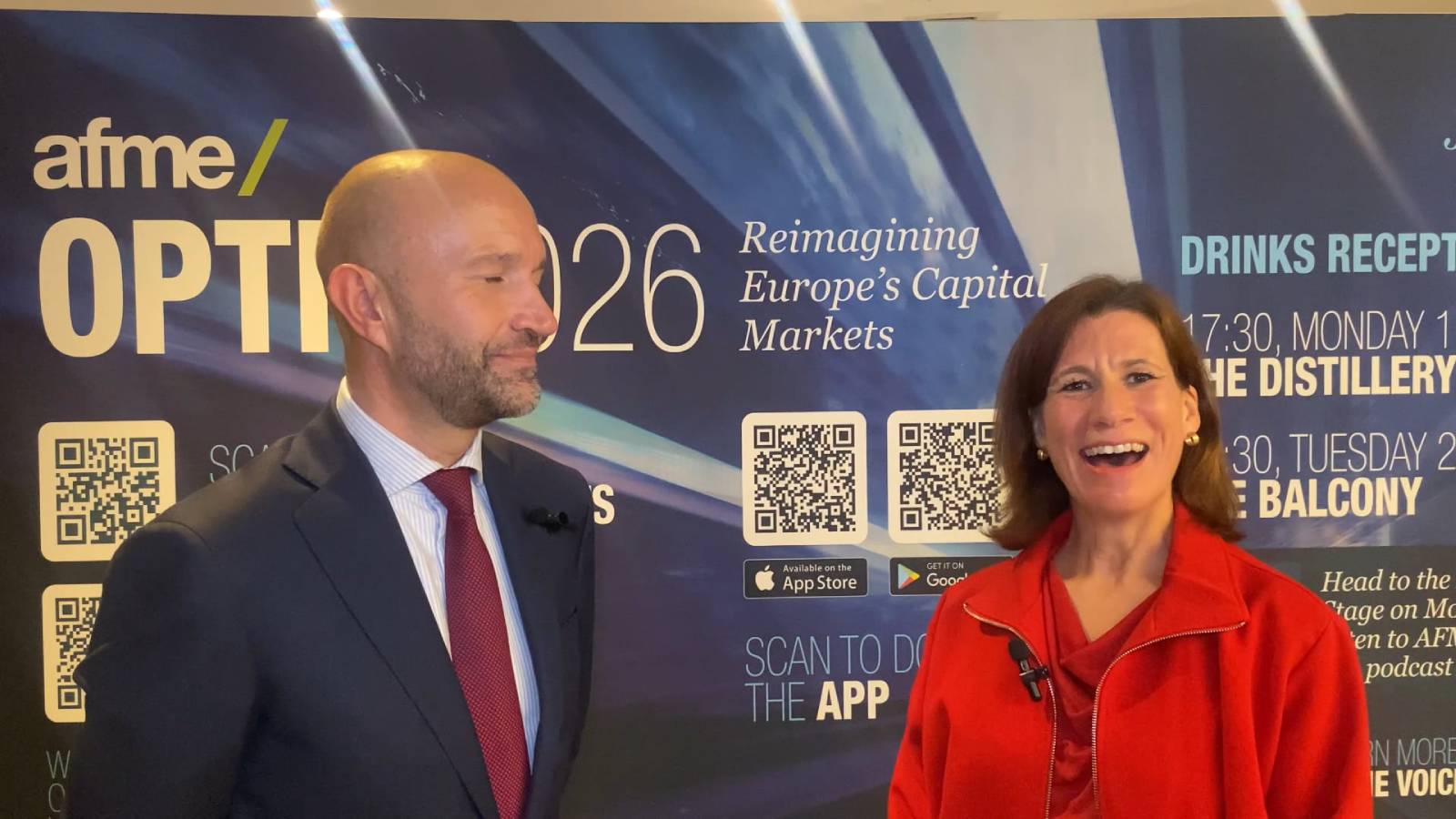
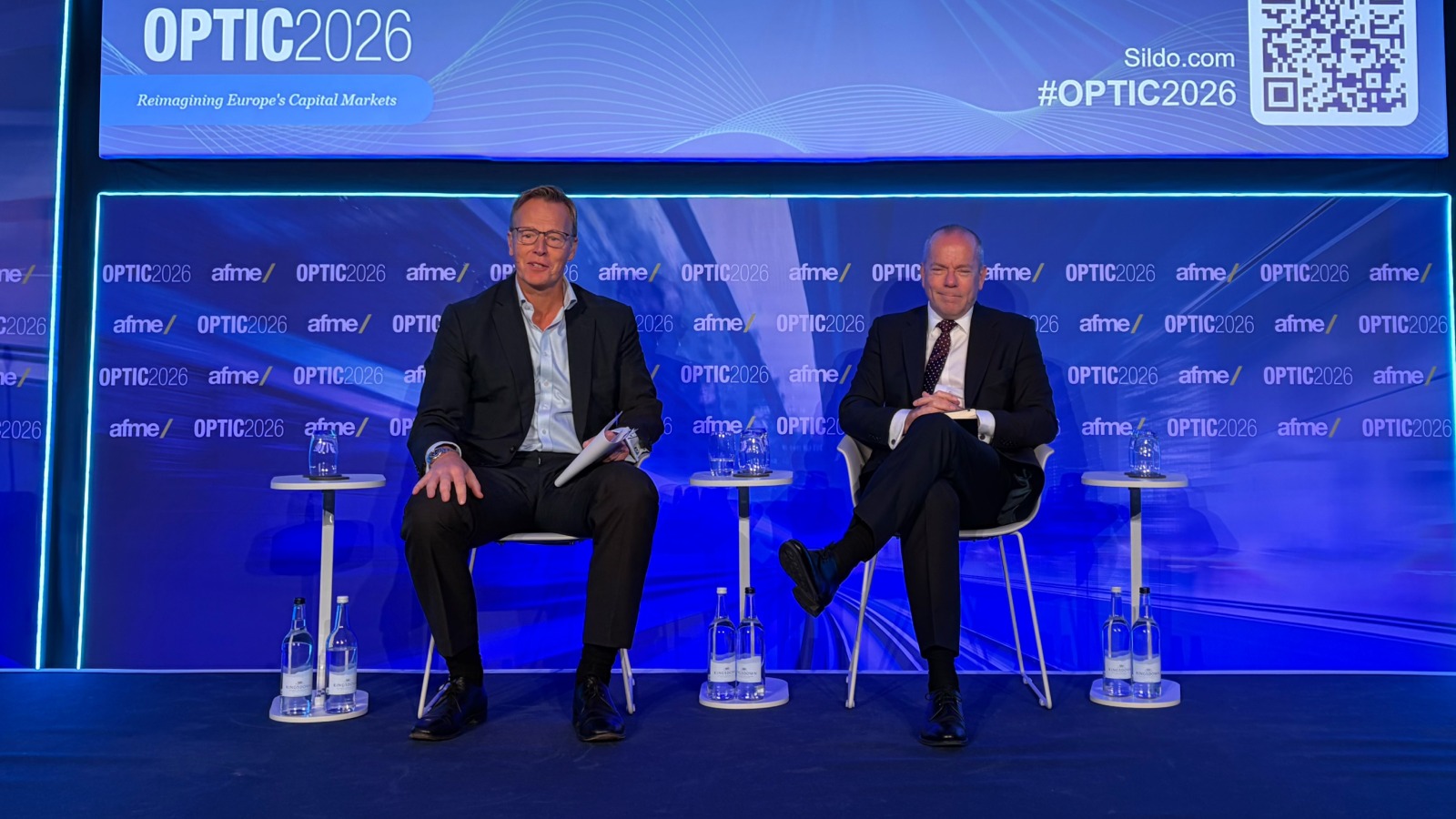


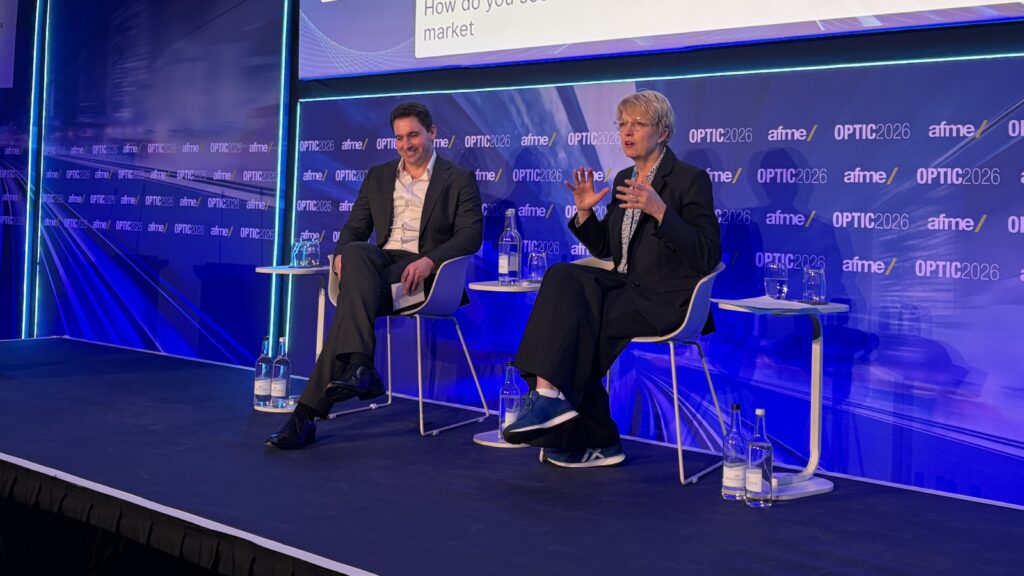
A highlight at Optic 2026, the “Ask me anything” session gave attendees a chance to have a candid and open conversation with Sasha Mills, executive director of Financial Market Infrastructure at the Bank of England. We share four soundbites from the discussion.
There is no crystal ball for scaling DLT. “We’ve got capacity trials booming and that fragments liquidity and it’s not optimal.” Mills admitted to having no answers, but predicted two possible outcomes – one, where bridges and synchronisation build interoperability between networks, and a second, where through consolidation or “other mechanisms”, the industry agrees that a particular technology that has been rolled out is “the one”.
UK’s Digital Securities Sandbox (DSS) is a stepping stone to a more permanent regime. “The way the DSS is designed is that the controls are porportionate to the amount of risk that a participant can take, so I don’t see it as unbalancing.” The pilot is for learning the rule modifications that work in order to inform a statutory change, which then becomes the permanent regime. “The idea is that firms can grow through the DSS, and then as we are graduating to the permanent regime, have a smooth transition, because you’d expect that as firms rack up scale.”

The Bank of England (BoE) is fully invested in supporting the industry’s move to T+1. “This is an important thing from a public policy perspective, because a smooth transition to more efficient markets is a part of normalising our capital markets and our wholesale markets. Being more efficient for the shorter assessment period is clearly an advantage. We are within a year to delivery, so we are testing, checking, making sure that the final timeline is delivered so it can be accurately and smoothly achieved.” In addition to the domestic market, the BoE is also helping to coordinate international timelines.
The dominance of dollar-denominated stablecoins is not currently a concern. “It doesn’t surprise me, given where the innovation is taking place. But also think about what most of those stable coins are doing; they’re in the crypto world, they’re not in mainstream finance. So, I think it will start to change, and you’ll get more currency diversification. The EU is revising the Markets in Crypto-Assets Regulation (MiCA). Our regime – I mean the UK – will become live from January (2027). Then, you might start to see more currency diversification. If you look at wholesale markets, obviously the US dollar in itself is dominant there, so you would expect a dominance in line with the asset profile itself.”