
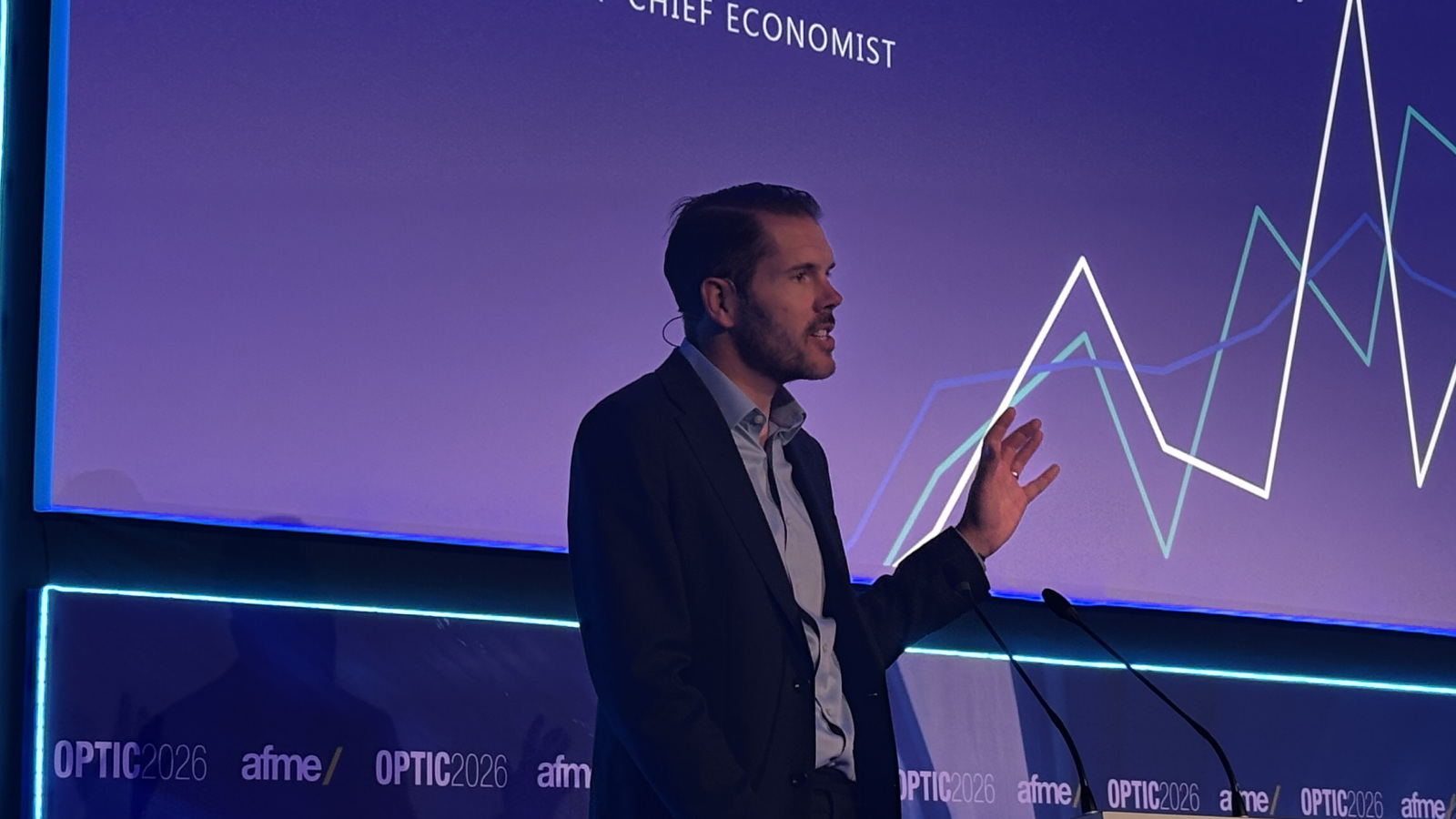


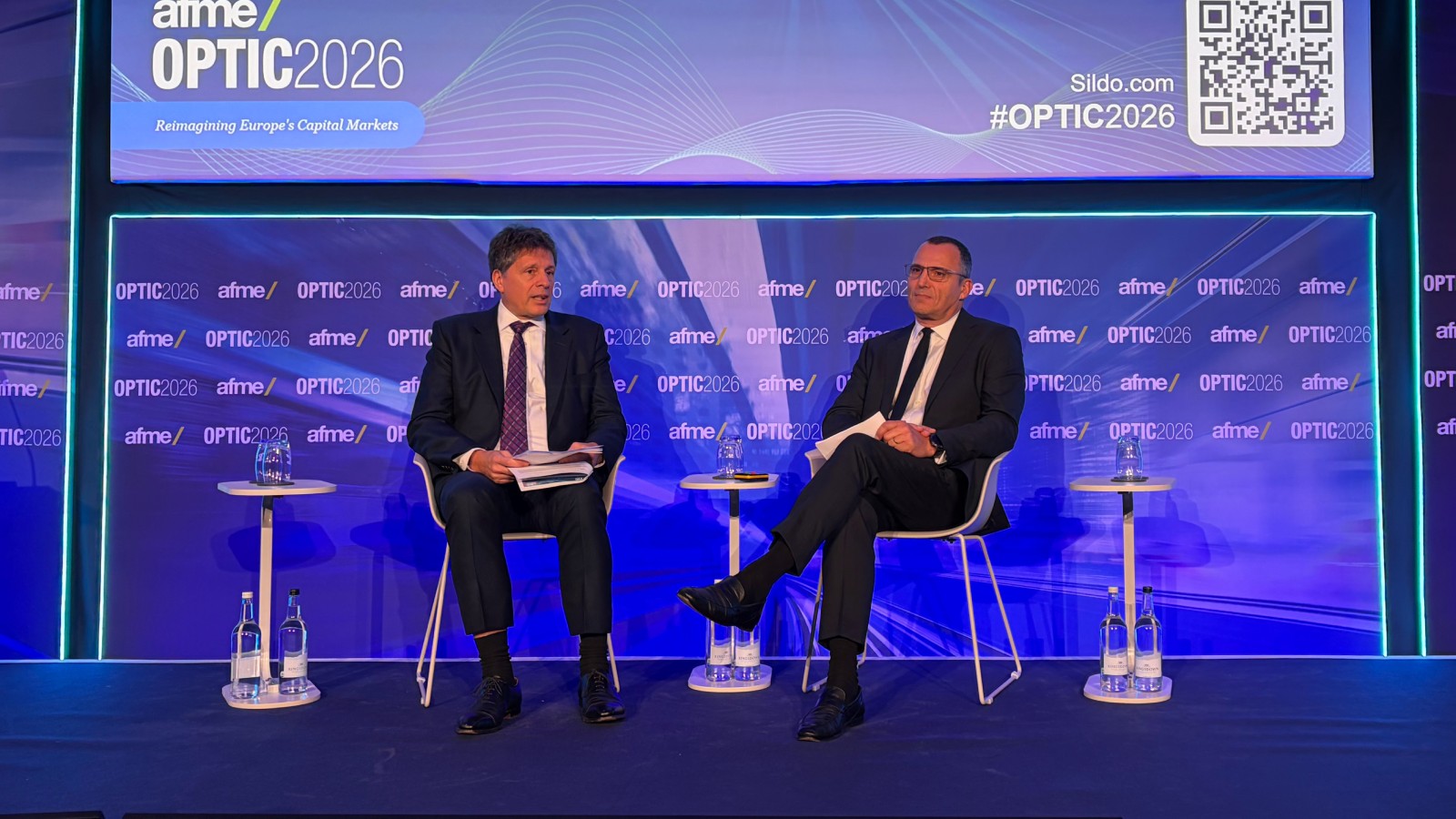







Geopolitical rivalry between the US and China is reshaping global trade and investment, but a broad retreat from globalisation has yet to materialise, Neil Shearing, group chief economist at Capital Economics, said at OPTIC 2026.
Speaking in the session Navigating Geopolitical Risk, Shearing described the current trend as “fracturing”: economies are increasingly separating in strategically important sectors, while global trade and capital flows remain high.
“There is very little evidence of de-globalisation,” he said, pointing to global trade as a share of GDP remaining around record levels. However, trade between countries aligned with the US and China has declined, while supply chains have shifted, including US mobile phone imports away from China towards India and Vietnam.

Concentrated sectors
Shearing expects the separation to remain concentrated in sectors such as critical minerals, artificial intelligence, pharmaceuticals and data. If it spreads more widely, the economic costs could rise substantially.
A broader split could cost 4% to 5% of global GDP, he said, citing IMF research. If fracturing remains contained, the cost could be closer to 1% over five years.
Europe faces a difficult position between its security ties with the US and growing economic competition from China. Shearing said he expects Europe to remain broadly aligned with the US rather than form an independent third bloc.
He also warned that repeated supply shocks are becoming a defining feature of the global economy. “We live in a world that’s more prone to supply shocks,” he said, adding that markets would need to learn to manage them.