








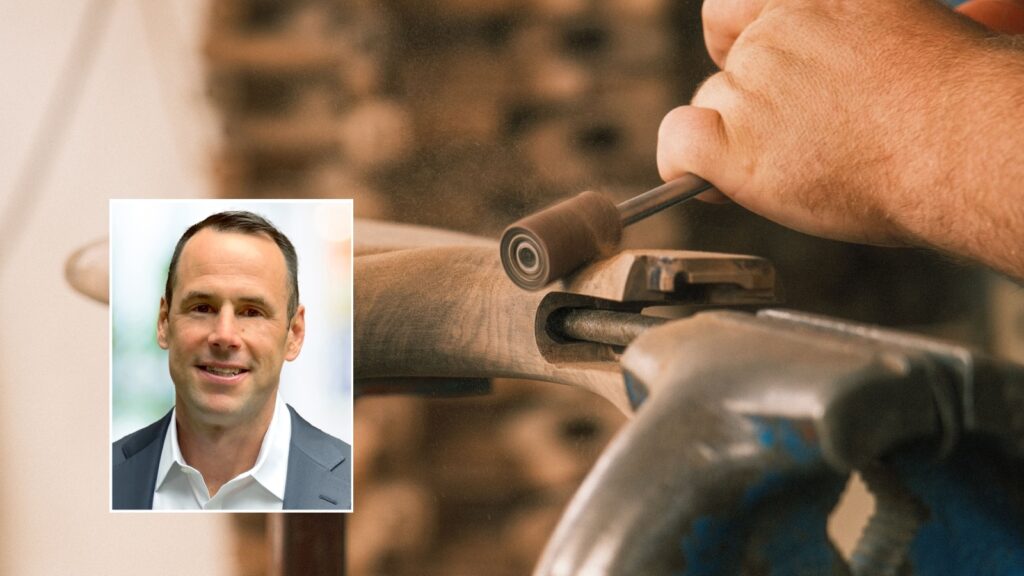
INTERVIEW | Join Brian Steele, president, clearing & securities services at DTCC at the upcoming PostTrade 360° conference, where he will be providing insights into the future of the industry at both the official opening of the event and in a discussion with the ISSA board on 2 September.
Two future-focused sessions will address the major forces reshaping securities services and post-trade, including extended trading hours, digital assets and tokenisation, private markets growth and the evolving regulatory landscape.
“These trends are converging to fundamentally change how market infrastructure operates,” says Steele. “Success will depend on creating trusted, resilient and interoperable infrastructure that enables new asset classes and innovation, while preserving the resiliency that underpins global markets.”
One current development that stands out is the industry’s move toward extended trading hours and ‘always on’ markets. “We are already seeing the expansion of 24×5 trading, while at the same time, digital market models and tokenisation are creating expectations for near-continuous access to assets, liquidity and capital,” explains Steele, noting that transformation extends well beyond the trading venue.
“It has implications across the entire post-trade ecosystem – clearing, settlement, liquidity, collateral management and risk oversight,” he continues. “It underscores a broader trend: greater market accessibility must be matched by infrastructure that can operate seamlessly across extended hours while preserving the resiliency that global markets depend on.”
Steele believes these discussions will be valuable for a broad range of market participants, including financial institutions, market infrastructure providers, regulators and investment firms. “While their perspectives may differ, they are all navigating many of the same structural changes,” he adds. “My hope is that attendees come away with a clearer understanding of how these trends connect to one another and what that means for the future of market infrastructure.”
The key takeaway is that innovation and resiliency are not competing priorities. The firms and infrastructures that succeed will be those that can modernise, embrace new opportunities and continue to provide the trust, scale and stability that markets require.
* For more information about the PostTrade 360° conference 2-3 September 2026 and to register, click here
