
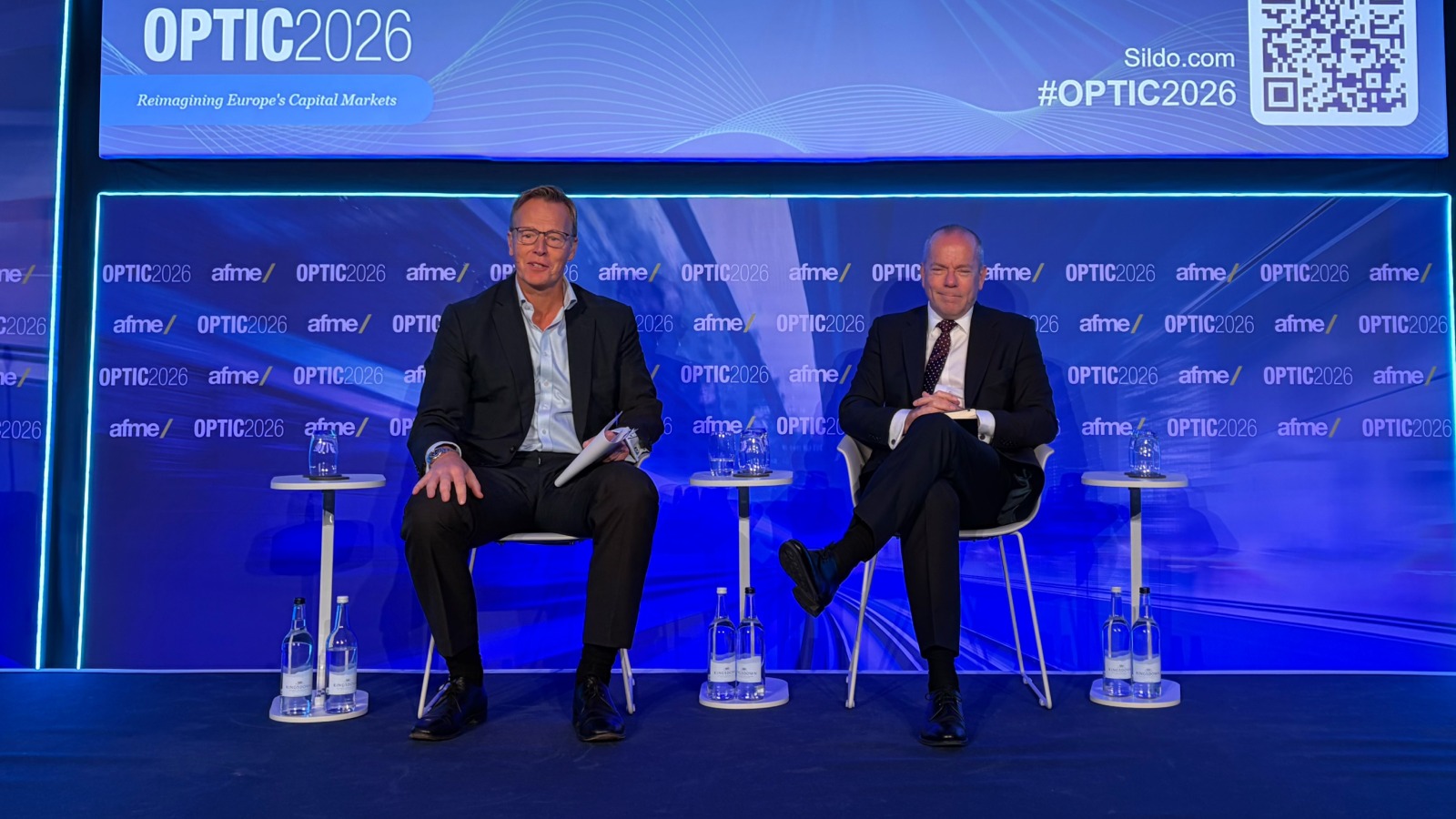

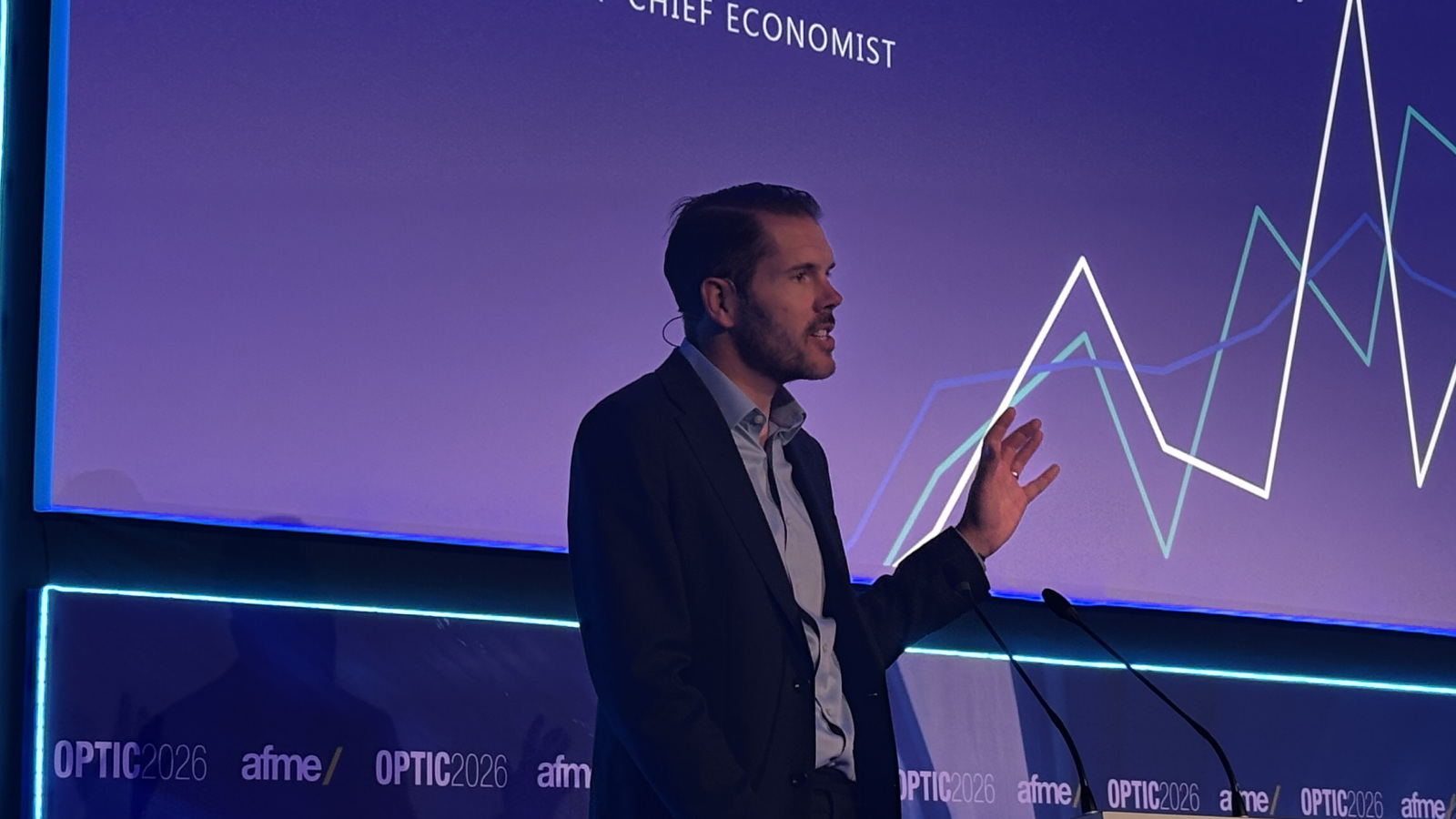

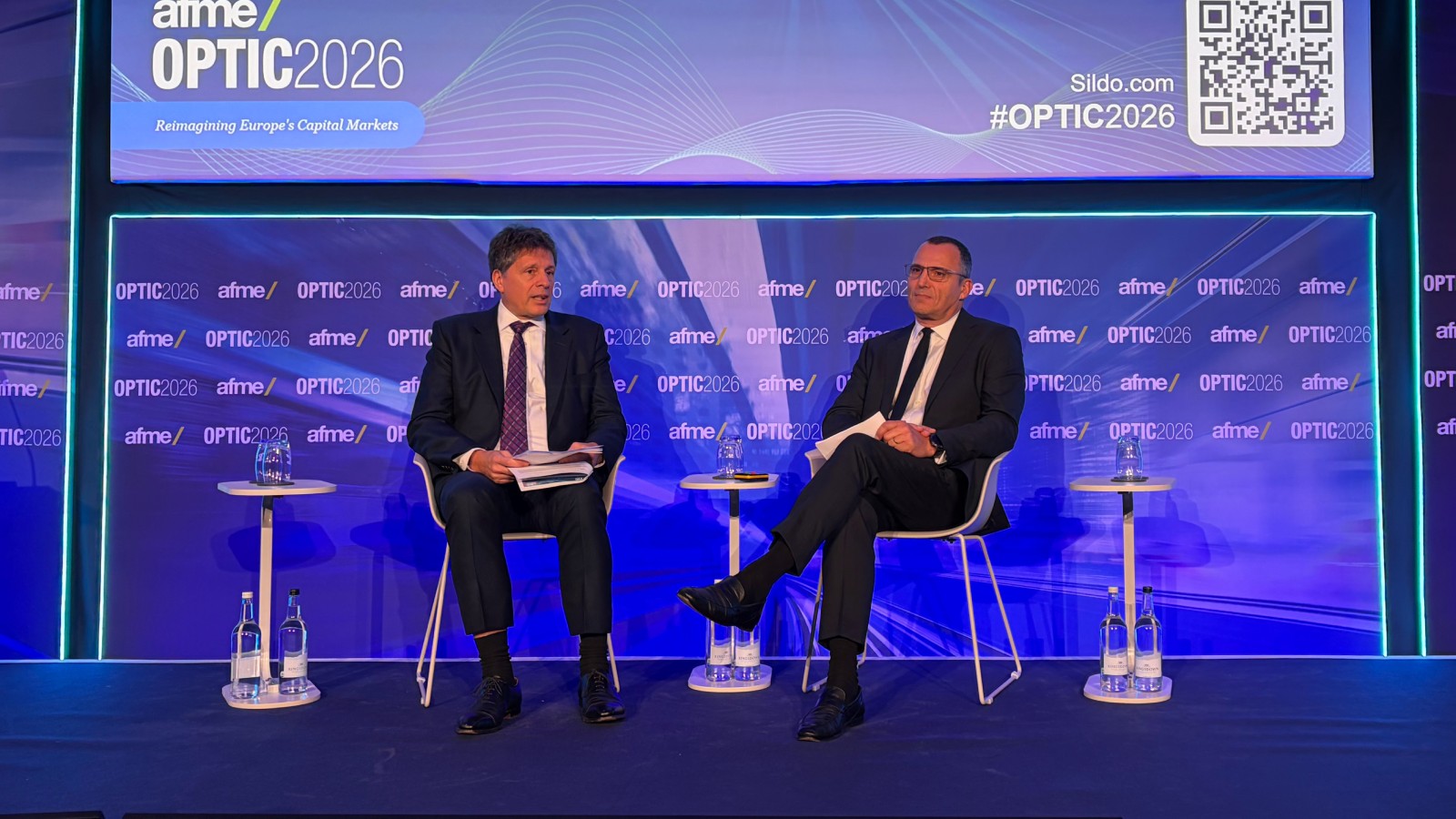

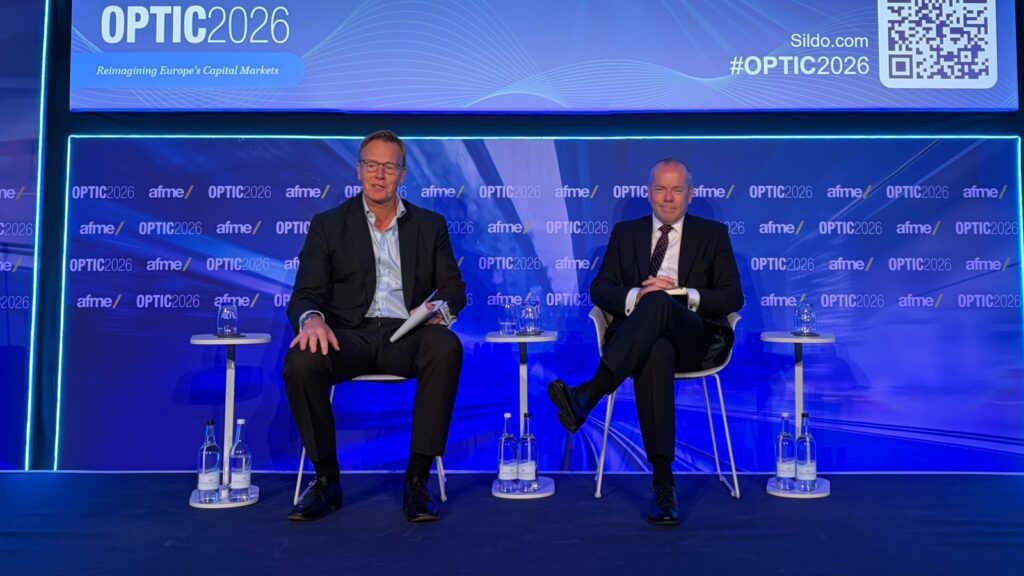
In his fireside discussion that opened the second day of Optic 2026, Christopher Woolard, HM Treasury’s wholesale digital markets champion, shared an observation that had an audience member questioning him in a poll. Central bank digital currencies (CBDCs) are not off the table, but are also not being pursued as the preferred avenue, at least in the UK. Instead, he predicted that the future will be a multi-money universe.
The dominance of dollar-denominated stablecoins in the US is an outlier, Woolard claimed. “Virtually everywhere outside the US that’s serious about this is pursuing multiple routes simultaneously, whether it’s tokenised deposits, their own fiat-denominated stablecoin, or money market funds.” The same goes for sterling stablecoins in the UK. “If you look at the sheer scale of what we are talking about here – the markets that could be served – it’s going to need those multiple strands instead of just one,” he explains.
The applications that come out on top would ultimately be determined collectively by the industry. “We are not going to get scale unless people see a commercial use case that they are prepared to invest in. The way we’re organising this is not top-down from the government. This is about the industry coming together and saying what it wants to take forward.”

In the UK, that is likely to be markets where it already has scale and advantage, in particular, repo. Bonds come a close second. The viability of digitally native equities remain a question mark, although the bottleneck is more a legislative one than one of will.
Make it big
Speaking of scale, Woolard believes that TradFi will have to remain a part of the equation. “That’s where the scale is today and those flows will move through many of those firms for a long time to come,” he says. “A lot of the innovation we’re seeing in the market is actually being driven by quite a few of the traditional players – they are trying to get ahead of what they see as the future.”
He envisions that both parties will eventually work in collaboration. “The TradFi-DeFi distinction wil simply break down over time.”
Pilots play an important part in scaling, but “there is a sense of pilot fatigue in the wider market”. Despite this, it’s not that “anyone wants to flick a switch on what we are about to do without the ability to turn back”. There will therefore still be live trials, but “we are at a moment where when we arrive upon things that can scale, we have to ensure that the barriers to them scaling quickly are removed as far as possible”. At this point, it has to be “more than just a pilot. It has to be about a steady stream of issuance into the future”.
Encouragingly “an awful lot is already possible under the existing legal system”. “There’s a whole host of little things we already do in existing markets that we just need to be sure we can do in a tokenised world. And this isn’t a massive reform of the law. It’s not standing up and calling a great rallying cry. It’s making sure that in a rather boring, practical way, stuff just works.”