



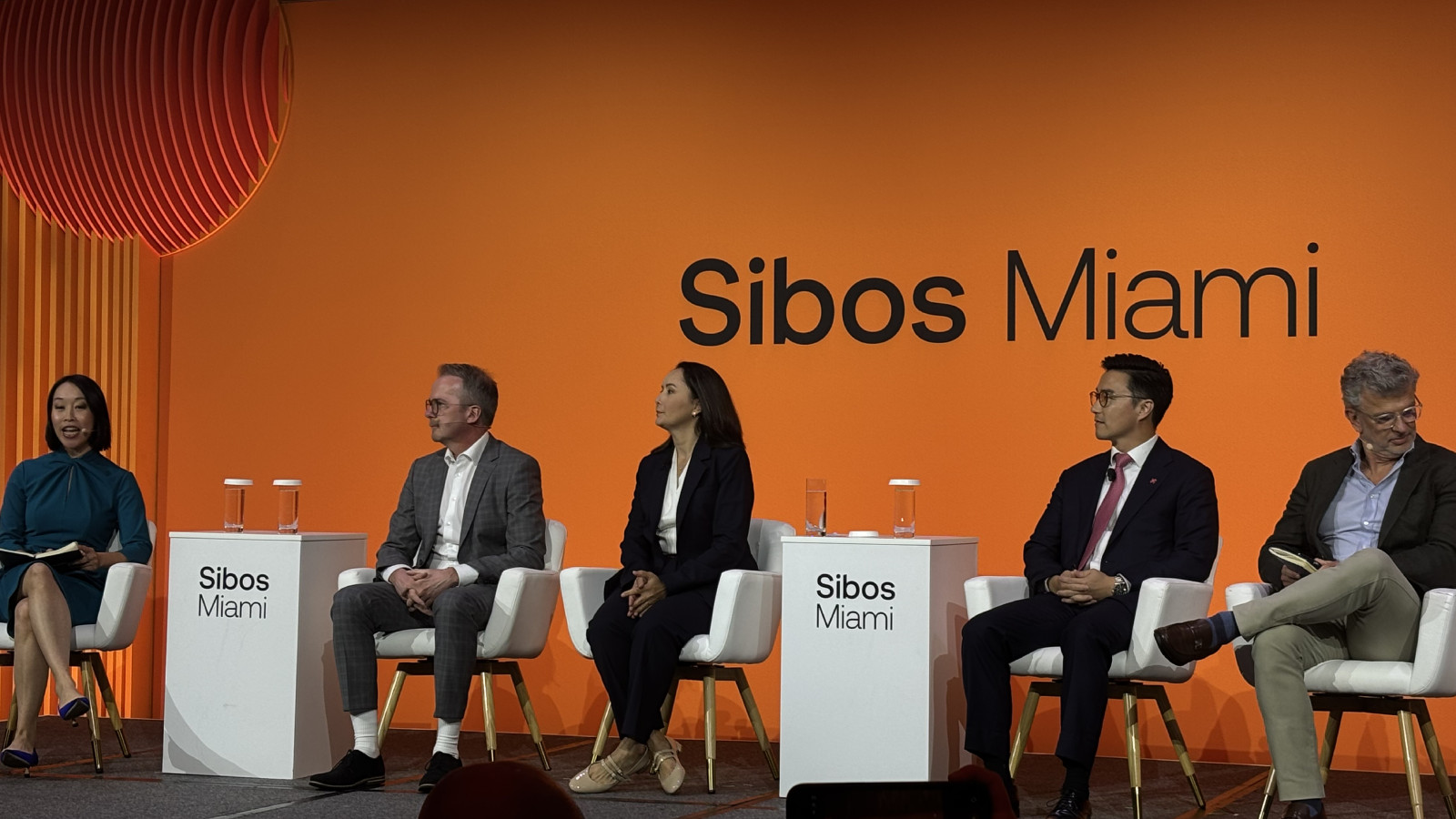
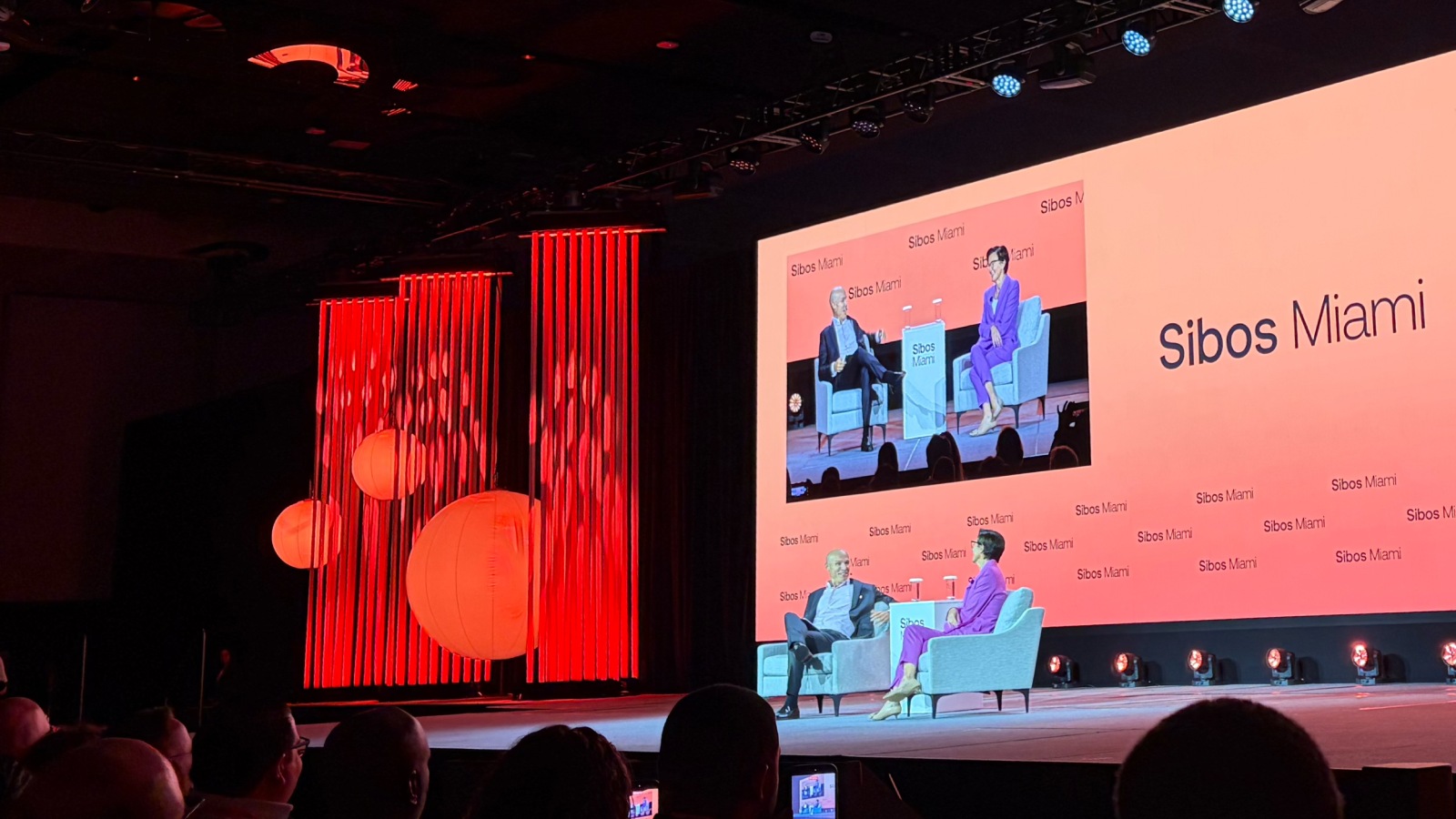


INTERVIEW – EDDIE NOTTON | As Executive Director within JP Morgan’s Global Equities Operations department, Eddie Notton works at the heart of the sell-side middle office, facing off to both clients and front office stakeholders. With the relevance of post trade efficiency highlighted by forces such as the T+1 transition and the EU’s savings and investment union plans, he sees it as time for action on reimagining what we do and starting to innovate – together. Here’s our chat with Eddie from September’s PostTrade 360° conference in Stockholm.
With the collaborative nature of post-trade securities operations, getting together across the stakeholder category lines enables the industry to move forward – towards T+1 in autumn 2027, and towards the EU’s vision of a more competitive financial system – a “savings and investments union”, SIU.
“I’m really impressed by the breadth and the depth of stakeholders and representatives across the industry here – buy side, sell side, FMIs, outsourcing providers. It really helps to bring them together around some of the problems that they’re all trying to address – and collaboratively, not necessarily solving for everything immediately but at least discuss it in an open and honest way,” says Eddie Notton.

“It’s great to see so many people passionate about what may not be considered the rock and roll elements of finance. But you need to have that level of passion to unlock efficiencies and ultimately drive what is in the beneficial interests of our clients.”
The time for enhancements
In terms of what it entails practically, he points to the value of the many sessions focusing on the T+1 transitions. “It is time to start reimagining,” Notton suggests.
“Whilst the compressed timeframes around T+1 are at the front and center of everyone’s mind, ultimately what we’re trying to achieve is operational efficiency and perhaps new ways of doing things, whilst simultaneously appreciating the elements that work well today across market participants. Automation and technological enhancement should make the entire process more efficient, and safer for participants.”
Working as closely with the trading desks as he does, what are some of the key messages he can report back from the frontline to the post-trade community?
“Certainly within the cash equities space, margins have tightened significantly over the years, so firms need to operate efficiently front-to-back, inclusive of the post-trade space. While historically, there has been a lot of investment in the front office stack, now there is a lot more focus on not just the best execution for clients, but also the best execution of settlement. More and more, the front office is realizing the impact of a fully efficient end-to-end post-trade environment, which is pleasing to see,” says Eddie Notton.
“I speak quite often with our front office desk heads, around operational concerns, and they are fully engaged. So actually, the T+1 transition comes at an opportune moment as we’ve got the ear of the desk to be able to provide us with leverage to prioritize investment in the post-trade stack. In addition, we’re seeing some crossover in skillsets with the desk providing us insights into data analytics, for example and applying it to actually solve for some of the post-trade problem statements. Seeing more front-to-back engagement and collaboration is really promising.”