





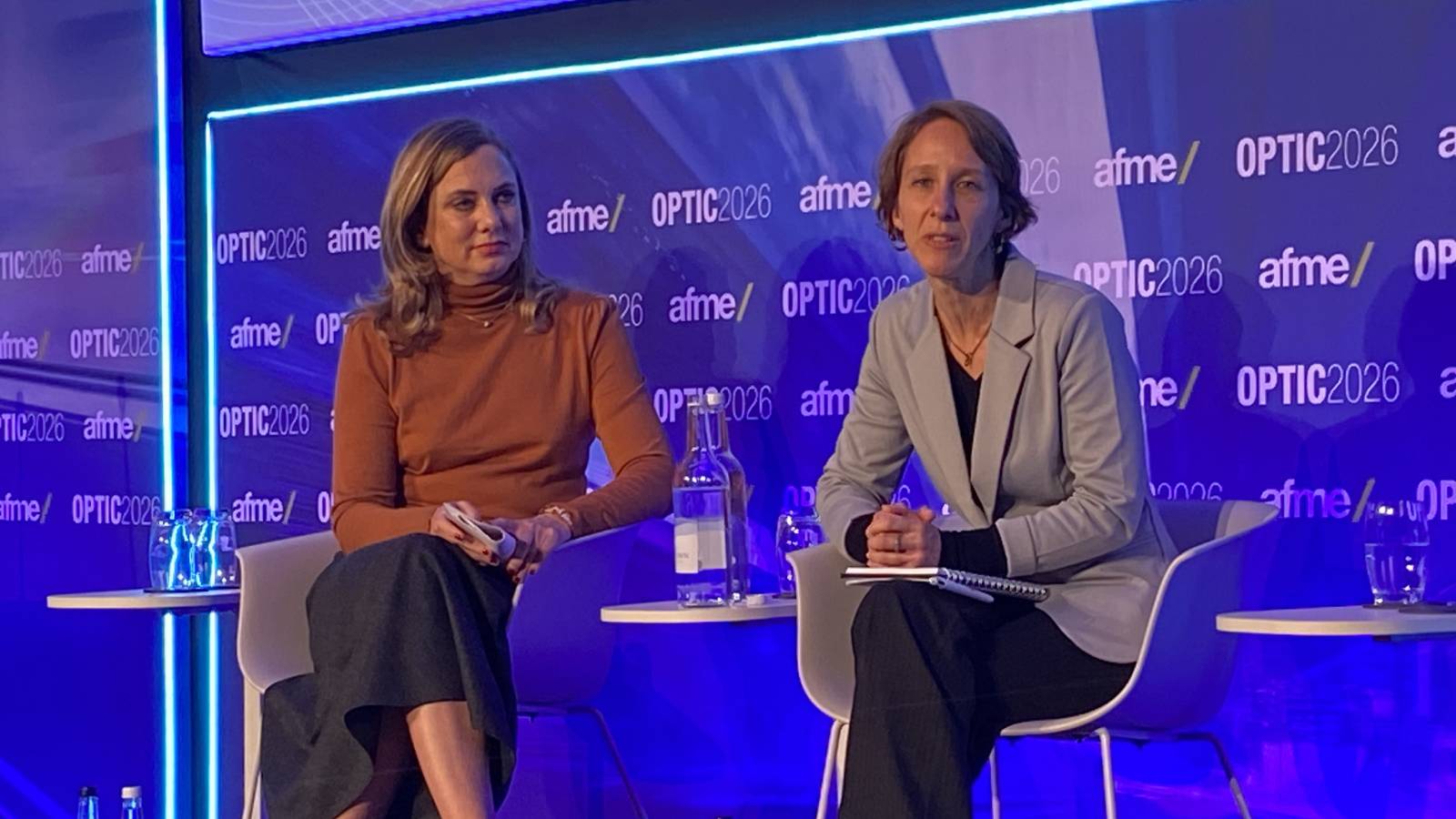


Less visible to the front office, but a festering cost multiplier for investors, a webinar revealed the hidden costs of corporate actions and what participants are doing about them.
The scale of the problem
$34 million a year. That, according to ValueExchange research, is the cost of corporate actions in the US alone. It stems from the many organisations that touch a single event (110 unique firm interactions per event, and between 8 and 10 functions within them) before it reaches the actual investor.
That’s 1 million people who touch a corporate action all the way through the chain, noted ValueExchange CEO Barnaby Nelson during a webinar on the topic. “If we consider downstream impacts, the time cost of money on an event moving through the system, that’s $80,000 per annum, between five to 30 minutes spent on a single event multiplied by the volume of events, leads to a figure of $34 million per annum.”

The research, based on corporate events at the DTCC, the US central securities depository, asserts that a golden copy of data for these events could return savings of $15 billion in “avoidable costs per annum” to individual investors’ portfolios. “Not touching a trade could take a quarter of the cost out of the $58 billion total corporate actions spent to process US securities,” explained Nelson.
Timothy Lind, managing director of DTCC Data Services, shared what the challenge looks like at the settlement end. His CSD has 200 direct participants, 10,000 sub-accounts, and the potential for an event to be impacted in 10,000 different ways. “If the corporate action is wrong, that triggers around 2 million event messages down the chain,” he said.
Matt Moseley, who runs asset servicing at Goldman Sachs, a broker, said the cost is not unbelievable, especially in the context of a “long list to contend with and the impact on regulatory capital; the costs of these things quickly add up.”
The root cause: “Like an insidious parasitic problem”
Moving upstream, what does the issue look like for beneficial owners and institutional investors? With the speed and immediacy of markets, investors and beneficial owners will demand more efficiencies. Lind explained that for a fund manager, it could be missing the ability to tender a position because the corporate action data was bad, and they may have to compensate shareholders as part of their fiduciary duty to make the corporate action whole for the investor.
“These big cheques rise to the top”, he added. “Most corporate actions are like an alpha parasite. Adding them all up has an impact. It’s like an insidious parasitic problem, but the faster we get, the less manual we get and the more we automate, the better.”
So what is the Achilles’ heel? Mosely noted that data and announcement data, and having a golden record of data, would benefit the industry. “Everyone is struggling with their own version of the truth.”
The panellists cast the problem against the tax-efficient creativity of capital formation that firms miss out on through non-standardised corporate events.
Opportunities for improvement
“We can all agree there’s a ton of inefficiency. When you measure something, you can get an idea of where there’s an opportunity cost,” said Moseley.
There are two opportunities to improve these, he added: “First, we’re seeing the cost decreasing and some tailwinds as AI helps to solve these issues. Second is around how much we can standardise.”
T+1 and accelerated settlement present another opportunity to address this, according to Lind. “What’s interesting about accelerated settlement is that we’re seeing manual processes don’t work, and there are fail rates. On the other hand, good, clean, real-time data has helped, thanks to automation that has put pressure on firms to invest.”
He stated that in these more “vanilla” parts of the business, such as corporate actions, there are opportunities for operations professionals to add value to investors. “There are process design and market opportunities that settlement compression brings.”
How are the CSDs driving the change?
“When you think that a corporate action is the foundation of capital, we’re the linchpin between the issuer and the investor. We want to connect issuers, investors and intermediaries in a standardised way,” explained Lind. He added that standards would address further complexity. “It’s about creating the networks of communities beyond standardisation.”
According to Moseley, three things are needed: a golden record, buyer protection and efficient claims management. “It’s about bringing consistency to what the investor is getting and seeing. The Blueprint is there; we just need to make it happen.”
Thankfully, the cost of automation to address these issues is coming down, observed Moseley. “You’ve seen things like the ability to digitise emails and to aggregate data and notice anomalies. All this has a multiplier effect with more tools, and the cost of automating them has come down. But further adoption and delivery by industry participants are needed.”
Can DLT help bring standardisation?
Corporate actions have interconnectedness to other functions that could be embedded in a smart contract, said Lind. “The contract would generate things like dividend distributions – all of that can be baked into the smart contract. On the other hand, the downside is the risk we’re seeing in places where there’s no decision to incorporate smart contracts consistently.”
“The core objective of this is the delivery of a security – we must stay focused on that,” added Mosely.
Looking ahead
In summary, the focus is clear: continuing to focus on what the industry can control on automation, using T+1 as an enabler, is key. The use of AI on top of normalised data sets will also make anomalies more visible.