

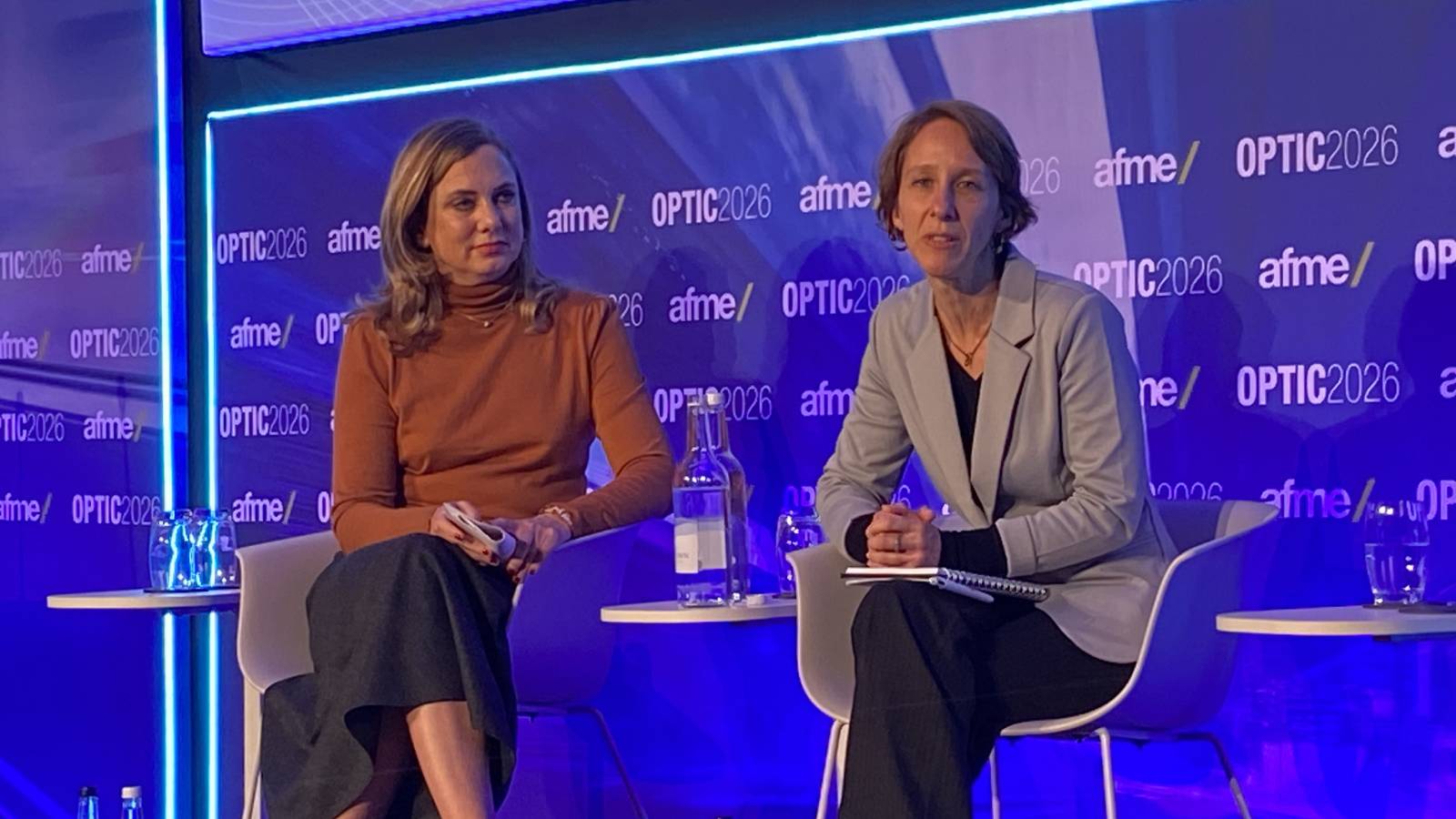
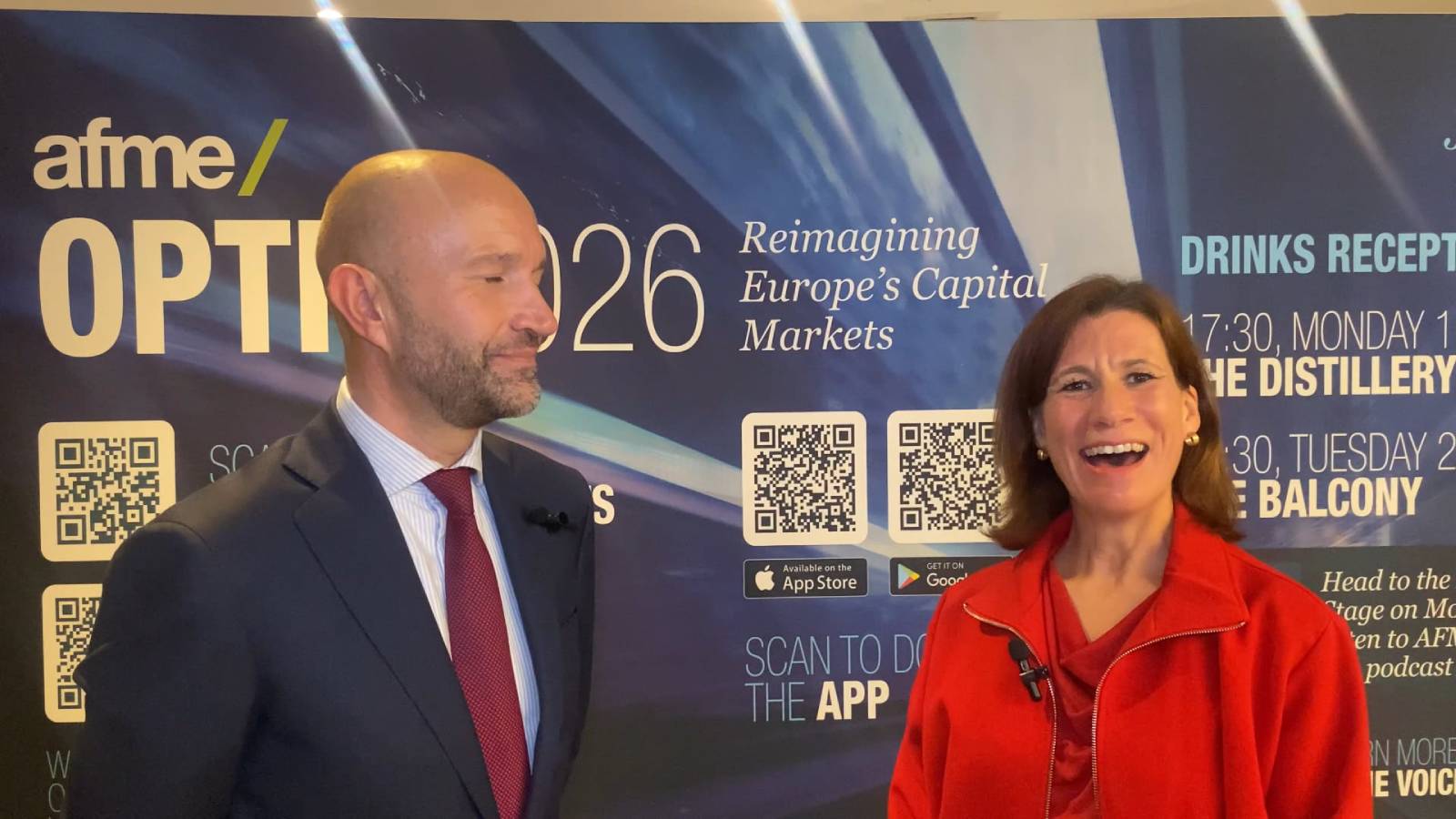

Fragmentation in Europe’s post-trade landscape was under the spotlight at Sibos 2025, where Camille Papillard, head of Banks & Brokers, EMEA at BNP Paribas Securities Services and Anna Kulik, secretary general of ECSDA, took the stage.
Kulik explained why fragmentation remains so persistent: CSDs are tied to the legal and regulatory frameworks of their home markets. That means differences in account structures, corporate actions, and fiscal rules across the EU. “CSDs are custodians of the implementation of laws, so from this perspective we are notaries and need to make sure that each and every law of each of the countries which is relevant to our service is applicable as it should be,” she said. With 27 central banks and legal systems in play, the outcome is “very, very fragmented markets.”
Rising costs
The financial impact is substantial. Papillard quoted Christian Noyer’s report: “A fragmented post-trade infrastructure raises the cost of capital for European firms by up to 0.4 to 0.6% per annum.” Multiple CSDs create duplicated fees, diverging reporting formats, and operational frictions, costs that ultimately fall on investors.

The idea of fixing this through a single European CSD and CCP, as proposed by Mario Draghi, did not convince the speakers. “Can Europe really afford taking all that time to reach to a more efficient post-trade infrastructure?” asked Papillard, warning that political agreement could take decades. Kulik was equally clear: such consolidation is “not really achievable.”
Open access rules
Instead, the way forward lies in interoperability and stronger competition. “It’s not false consolidation,” said Papillard. “It’s really enforcing open access rules on CSDs but also probably on securities, clear disclosure on the costs and also further harmonisation.” Kulik pointed out that “90% of all the European transactions are already going through the four CSD groups, so that’s a positive message.”
The discussion also turned to technology. On blockchain, Papillard was sceptical: “For the core of the settlement in Europe, with that amount of euro today, trillions, it is not the answer because it is a matter of scale.” Kulik concluded with a call for integration: “It is essential that we are trying to defragment and build a bolder connection, both with the tokenised assets and with the traditional assets as well.”
Sibos 2025 plays out in Frankfurt from 29 September to 2 October, with about 12,000 registered delegates. We are there, overview our coverage here.